Canada hit major demographic milestones during 2024, crossing the 41 million mark driven primarily by international migration. According to official data from Statistics Canada, the country's population expanded significantly before federal policy shifts began cooling the pace of expansion toward the end of the year. Understanding these shifts requires looking beyond headline figures to examine structural components, regional divergences, and the economic pressures shaping modern Canadian communities.
Canada Population 2024: The Core Numbers
By the end of 2024, Canada's total population reached approximately 41.5 million people, following an annual growth rate of 1.8% for the full year. This represented a step down from the record-breaking pace seen in 2022 and 2023, but it still added hundreds of thousands of residents through a mix of permanent immigration, temporary foreign workers, international students, and natural increase.
The year featured distinct quarterly shifts:
- First Quarter Milestone: Canada officially surpassed 41 million residents on April 1, 2024, growing by 242,673 people in just the first three months.
- Mid-Year Estimates: By July 1, 2024, the population stood at 41,288,599, maintaining a quarterly growth rate of 0.6% during the spring.
- Year-End Slowdown: The final quarter of 2024 marked a notable deceleration, with quarterly growth dropping to 0.2% as temporary resident numbers adjusted downwards.
Drivers of Growth: Migration vs. Natural Increase
International migration remained the dominant engine of demographic change throughout the year. Without net migration, Canada's domestic growth rate would have hovered near traditional lower baselines due to an aging domestic demographic profile and declining birth rates.
The total fertility rate in Canada continued a historic downward trend, falling toward 1.25 children per woman—marking some of the lowest fertility levels globally. Because deaths increasingly offset births in many established communities, natural increase contributed only a fraction of overall expansion. Permanent immigration programs adhered closely to targets set by Immigration, Refugees and Citizenship Canada (IRCC), welcoming over 460,000 permanent residents across the 2023–2024 tracking period. Meanwhile, non-permanent residents—including study and work permit holders—fluctuated significantly, peaking in the autumn before federal caps on temporary permits initiated a gradual contraction.
Regional Variations Across Provinces and Territories
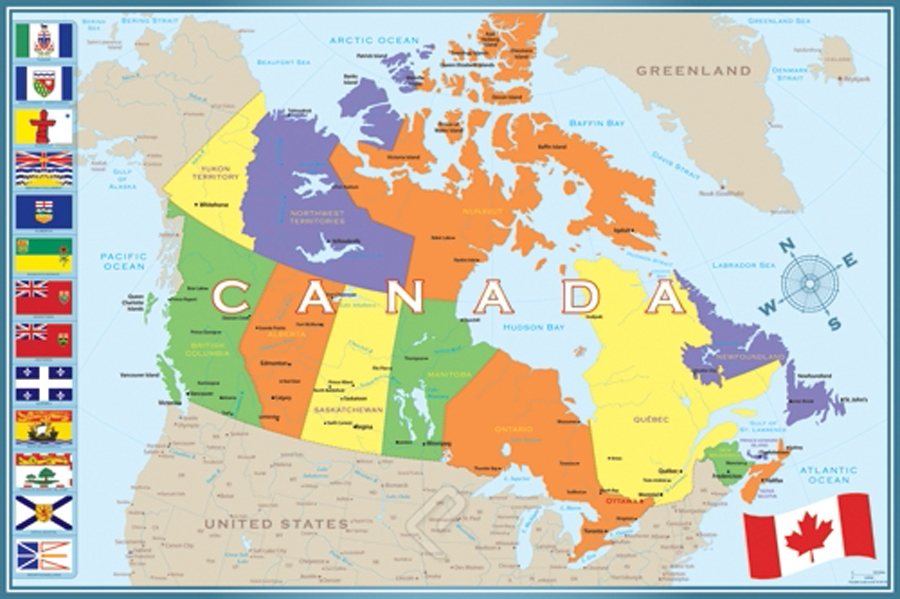
Population change didn't happen evenly across the map. While every province and territory posted positive annual growth for the 2023–2024 tracking cycle, the velocity varied widely:
- Alberta: Led the country with an annual growth rate of 4.3%, fueled heavily by strong interprovincial migration from other provinces like Ontario, alongside international arrivals.
- Ontario and British Columbia: Maintained massive absolute population gains fueled by international immigration, yet both experienced ongoing net losses in interprovincial migration as residents sought more affordable housing markets elsewhere.
- The Atlantic Provinces: Nova Scotia, New Brunswick, Prince Edward Island, and Newfoundland and Labrador continued to attract record numbers of permanent immigrants and interprovincial movers relative to their historical baselines, though growth moderated slightly compared to peak post-pandemic surges.
Economic and Social Impacts of Rapid Expansion
A growing population creates both opportunities and severe structural strains. On one hand, an influx of working-age adults helps mitigate an aging labor force where baby boomers are retiring in record numbers. On the other hand, the sheer speed of growth outpaced municipal infrastructure development in major urban centers.
Housing affordability emerged as the primary flashpoint. Rental vacancy rates dropped to historic lows in metropolitan hubs like Toronto, Vancouver, and Montreal, driving up shelter costs. Healthcare systems and public education networks also faced acute staffing and capacity challenges as regional governments scrambled to expand services to match local headcounts. These pressures ultimately prompted federal policy interventions targeting temporary resident volumes to allow infrastructure time to catch up.
Frequently Asked Questions
What was Canada's exact population at the end of 2024?
Statistics Canada reported that the population reached 41,528,680 people as of January 1, 2025, reflecting a total increase of 744,324 residents over the course of the 2024 calendar year.
How much did immigration contribute to Canada's 2024 growth?
International migration—comprising both permanent residents and non-permanent permit holders—accounted for over 97% of Canada's total population growth during 2024, far outpacing natural increase (births minus deaths).
Why did Canada's population growth slow down late in 2024?
Growth slowed significantly in the final quarter of 2024 due to a combination of seasonal trends, federal caps on international study and work permits, and a net decline in the non-permanent resident population.
Which province grew the fastest in 2024?
Alberta recorded the highest provincial population growth rate in the country, driven by strong international immigration and a massive net gain of residents moving from other provinces.



