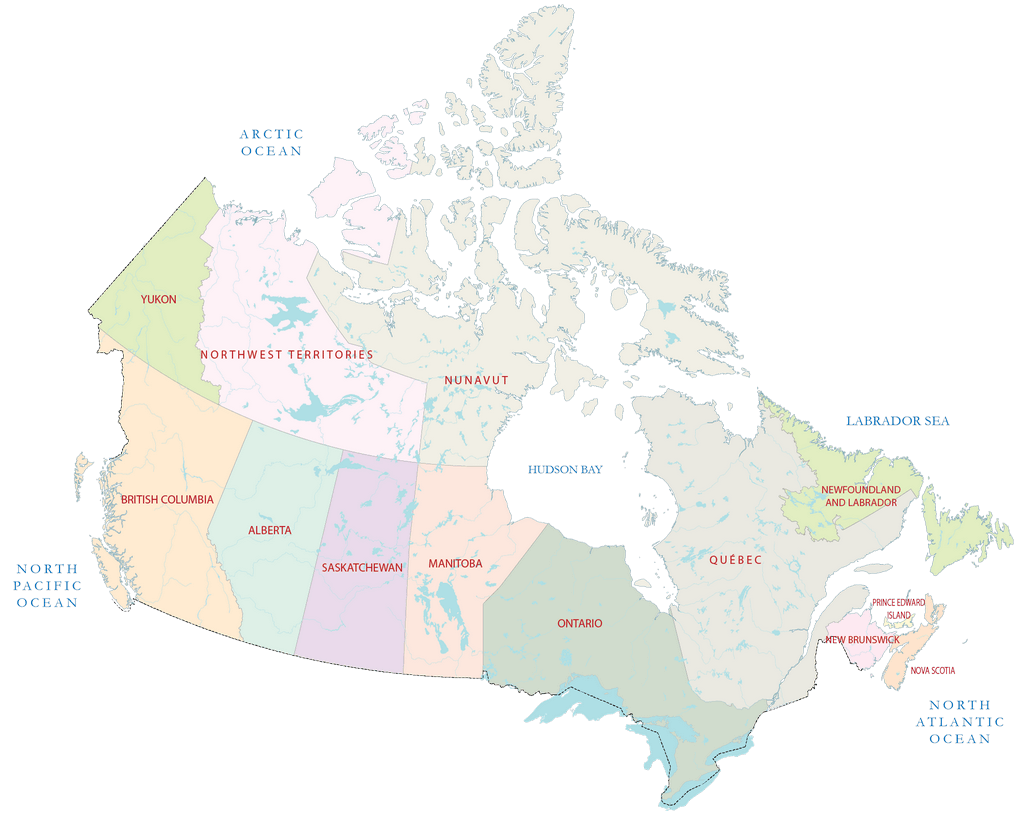
Planning a trip from New Jersey to Canada requires looking past vague map estimates because Canada is a massive country bordering several US states. If you're starting from Newark or Trenton, your journey changes drastically depending on whether you're heading to the nearest major Canadian border point in New York state or aiming straight for urban hubs like Toronto or Montreal.
The physical separation between New Jersey and Canada spans anywhere from a 350-mile direct line to over 700 miles of driving distance, depending on your exact destination. Driving from central New Jersey to Toronto takes about 7 to 8 hours under good traffic conditions, covering roughly 450 miles through Pennsylvania and New York. Knowing your route options, border requirements, and transit methods saves you hours of delays.
Geographic Reality of the Distance
Measuring the distance from New Jersey to Canada depends entirely on your entry point. New Jersey doesn't share a direct land border with Canada. You must cross through New York or Pennsylvania first.
The closest Canadian border points to New Jersey sit in western and northern New York, such as the Thousand Islands bridge crossing near Alexandria Bay or the Niagara Falls crossings. From Trenton, New Jersey, driving to the Fort Erie or Niagara border crossings takes roughly 5 to 6 hours. For another angle on this event, check out the latest update from Travel + Leisure.
If you're targeting major destinations, keep these general metrics in mind:
- New Jersey to Toronto, Ontario: Approximately 450 miles by road, translating to an 8-hour drive or a 1.5-hour direct flight.
- New Jersey to Montreal, Quebec: Approximately 380 miles by road, usually taking about 6.5 hours of driving via I-87 North.
- New Jersey to Vancouver, British Columbia: Over 2,400 miles away, making flying the only practical option for most travelers.
Primary Transportation Methods
Choosing how to travel shapes your entire schedule. You have three primary ways to bridge the gap between New Jersey and Canada: driving, flying, or taking a train.
Driving and Road Trips
Driving gives you ultimate flexibility, especially if you plan to explore national parks or rural regions once you cross the border. From northern New Jersey, you'll typically take I-80 West to Scranton, then pick up I-81 North toward the Thousand Islands bridge, or take I-78 to I-81, or head up the New York State Thruway (I-87) toward Montreal.
- Documentation: You'll need a valid U.S. passport, passport card, or NEXUS card. Children under 16 need proof of citizenship like a birth certificate.
- Vehicle Requirements: Ensure your auto insurance covers cross-border driving. While U.S. insurance generally works in Canada, it's wise to confirm with your provider.
- Fuel and Currency: Canada uses the Canadian Dollar (CAD) and measures distances and speed limits in kilometers. Your vehicle's speedometer likely displays both miles per hour and kilometers per hour.
Flying from New Jersey Airports
Major airports like Newark Liberty International Airport (EWR) offer frequent, direct flights to key Canadian destinations including Toronto Pearson (YYZ), Montreal-Trudeau (YUL), and Vancouver (YVR).
- Flight Duration: A direct flight from Newark to Toronto takes about 1 hour and 20 minutes. Flights to Montreal run roughly 1 hour and 10 minutes.
- Customs Preclearance: Major Canadian airports feature U.S. Customs and Border Protection preclearance facilities for returning flights, but when arriving in Canada, you clear Canadian customs upon landing. Give yourself extra time at the airport for these security checks.
Rail and Bus Travel
If you prefer avoiding traffic and airport security lines, public transit offers viable alternatives.
- Amtrak and VIA Rail: The Amtrak Maple Leaf train runs from New York City (Penn Station, easily accessible via NJ Transit from New Jersey) straight to Toronto, taking approximately 12 hours. It's a scenic route that winds along the Hudson River and through upstate New York.
- Bus Lines: Companies like Greyhound and FlixBus operate routes from New York Port Authority to Toronto and Montreal, typically taking around 9 to 10 hours.
Essential Cross-Border Planning Tips
Crossing an international border requires more preparation than a standard interstate road trip. Overlooking small details can lead to long delays at toll booths or border checkpoints.
- Check Roaming Plans: Mobile carriers often include Canada in standard unlimited plans, but check your data roaming status before crossing to avoid surprise charges.
- Understand Speed Limits: Canada enforces strict traffic laws. Speed limits drop significantly in construction zones and urban areas, and fines are calculated in kilometers per hour.
- Pack for Weather Shifts: Depending on the season, northern regions can experience rapid weather changes. Mountain passes and northern Ontario highways can see snow even in early autumn or late spring.
For official updates on border wait times and documentation requirements, check the U.S. Customs and Border Protection guidelines and the Canada Border Services Agency portal before you leave.
Frequently Asked Questions
Do I need a passport to drive from New Jersey to Canada?
Yes. Every U.S. citizen entering Canada by land, air, or sea must present a valid passport, passport card, or trusted traveler card like a NEXUS or FAST card. Enhanced Driver's Licenses (EDLs) from certain states are also accepted at land borders.
What is the cheapest way to travel from New Jersey to Canada?
Taking an intercity bus or carpooling with friends usually offers the lowest out-of-pocket cost, especially if you share gas and toll expenses. Booking discount bus tickets well in advance keeps travel budgets low.
Can I rent a car in New Jersey and drive it into Canada?
Most major car rental agencies allow cross-border travel into Canada, but you must inform the rental company at the time of reservation. They will provide a Canadian nonresident insurance card (inter-card) and ensure the vehicle registration allows international transit.
How long does border crossing take?
Border wait times fluctuate wildly based on the port of entry, time of day, weekends, and holidays. Major crossings like Niagara Falls can experience delays ranging from 15 minutes to over two hours during peak travel periods. Checking live border cameras online before you arrive helps you pick a faster route.


