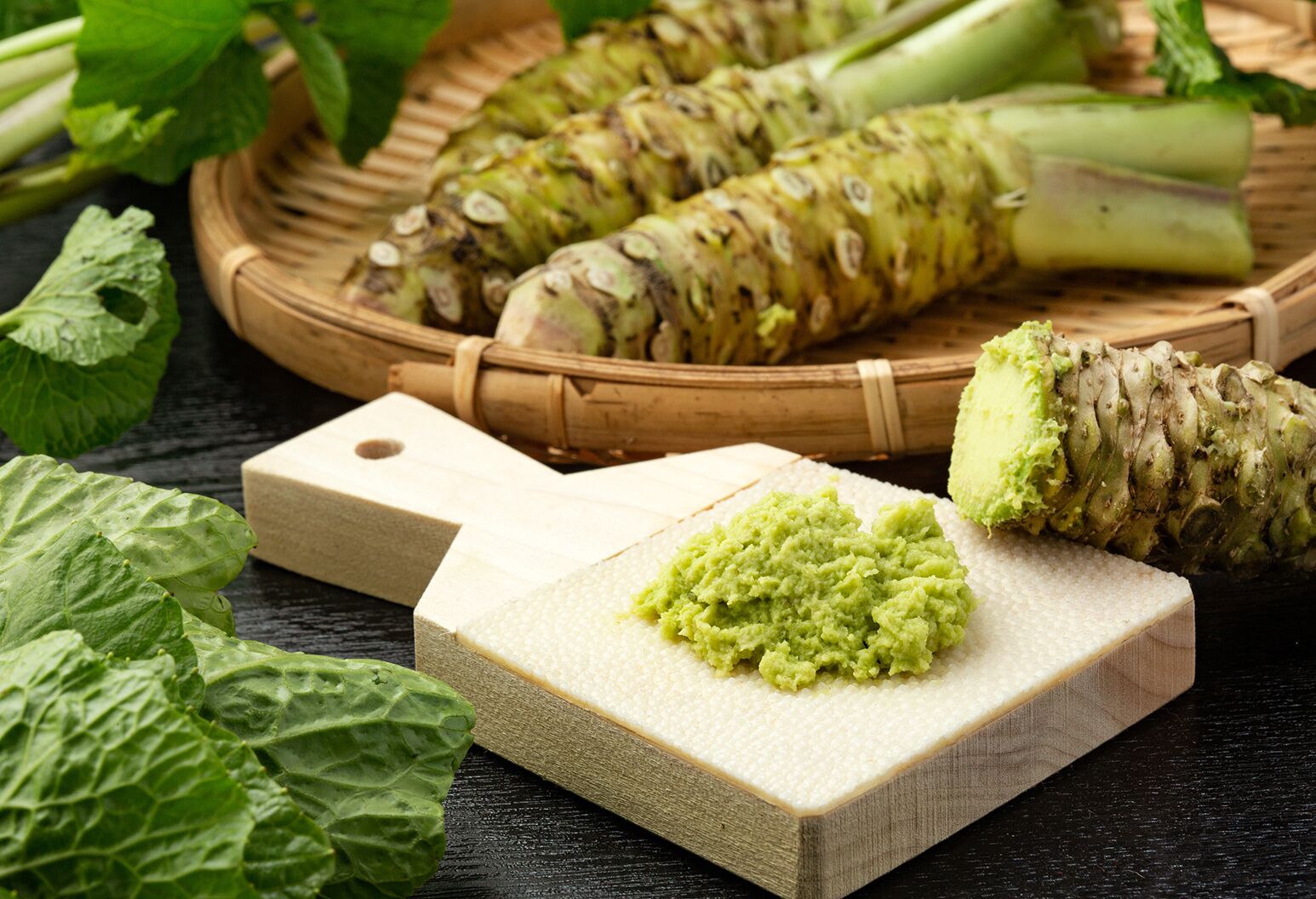
Can Pregnant Women Eat Wasabi
Yes, you can eat wasabi while pregnant, provided you keep your portions small. Normal culinary amounts used as a sushi condiment won't harm your baby, but overindulging can trigger uncomfortable digestive side effects like heartburn and acid reflux.
The main safety concern isn't the wasabi root itself. Instead, it's what you eat it with, such as raw sushi fish carrying listeria risks, or confusing genuine wasabi paste with processed horseradish blends.
Understanding Real Wasabi Versus Horseradish Paste
Most people have never tasted real wasabi. Authentic wasabi comes from the Wasabia japonica plant, which is notoriously difficult to cultivate and expensive. Real wasabi provides a sharp, nasal-clearing heat that fades quickly.
If you buy a typical green tube or powder from a local grocery store, you aren't eating true wasabi. You're consuming a blend of European horseradish, mustard powder, cornstarch, and green food dye like FD&C Blue No. 1.
Both real wasabi and horseradish paste contain allyl isothiocyanate, the active compound responsible for that pungent kick. In standard culinary quantities, this compound is safe for expecting mothers. However, medicinal-grade extracts or massive servings can irritate your digestive lining.
Potential Side Effects and Risks During Pregnancy
While wasabi doesn't contain toxins that harm fetal development, it can cause significant maternal discomfort. Knowing what to expect helps you manage your cravings safely.
- Heartburn and acid reflux: Pregnancy hormones naturally relax the lower esophageal sphincter. Eating spicy foods like wasabi relaxes this valve further, making intense heartburn much more likely.
- Nausea amplification: If you're struggling with morning sickness during your first trimester, the strong, sharp vapors of wasabi can trigger gag reflexes or worsen nausea.
- Digestive irritation: Large amounts can cause stomach upset or temporary abdominal cramping.
- Sodium and additives: Processed tubes often contain high sodium levels or artificial dyes, which you should minimize.
The Real Danger: Sushi and Foodborne Illness
Many pregnant women worry about the wasabi on their plate when the real hazard sits right next to it. Raw fish, such as tuna, salmon, and yellowtail served at sushi restaurants, carries risks of parasites, Listeria monocytogenes, and Salmonella.
Wasabi does not sterilize raw fish. Old folklore claims that spicy condiments kill foodborne bacteria, but science disproves this completely. If you're eating sushi while pregnant, stick to cooked options like shrimp tempura rolls, eel, or vegetable rolls, and keep your wasabi use moderate.
Safe Consumption Guidelines by Trimester
Your tolerance for spicy foods shifts as your body changes. Here is how to approach wasabi across your pregnancy journey:
- First Trimester: Exercise caution. Morning sickness makes your stomach hyper-sensitive. Stick to a tiny dab (under half a teaspoon) if you're craving that flavor, or skip it entirely if you're battling severe nausea.
- Second Trimester: Generally safe in moderation. Up to one teaspoon per day is fine for most women, provided it doesn't trigger your acid reflux.
- Third Trimester: Monitor your heartburn closely. As your growing uterus crowds your stomach, spicy condiments can severely worsen nighttime acid reflux.
Frequently Asked Questions
Can eating wasabi cause a miscarriage?
No. There is no clinical evidence linking normal culinary intake of wasabi to miscarriage or birth defects. Official guidance from health organizations like the NHS notes that standard spicy foods are safe during pregnancy.
What should I do if I accidentally eat too much wasabi?
Don't panic. You might experience a temporary burning sensation in your mouth, mild heartburn, or a brief stomachache. Drink plenty of water to dilute the spice, and take an approved antacid if heartburn sets in.
Are wasabi peas safe to eat while pregnant?
Crispy wasabi peas are generally safe as an occasional snack, but check the sodium and calorie labels. Because they are easy to mindlessly overeat, keep your portions to a small handful to avoid excessive salt intake.
What are some safe alternatives if I want flavor without the spice?
If spicy condiments trigger your heartburn, try flavoring your meals with grated fresh ginger, fresh lemon juice, or low-sodium soy sauce in moderation. Ginger is especially helpful for calming pregnancy-related nausea.