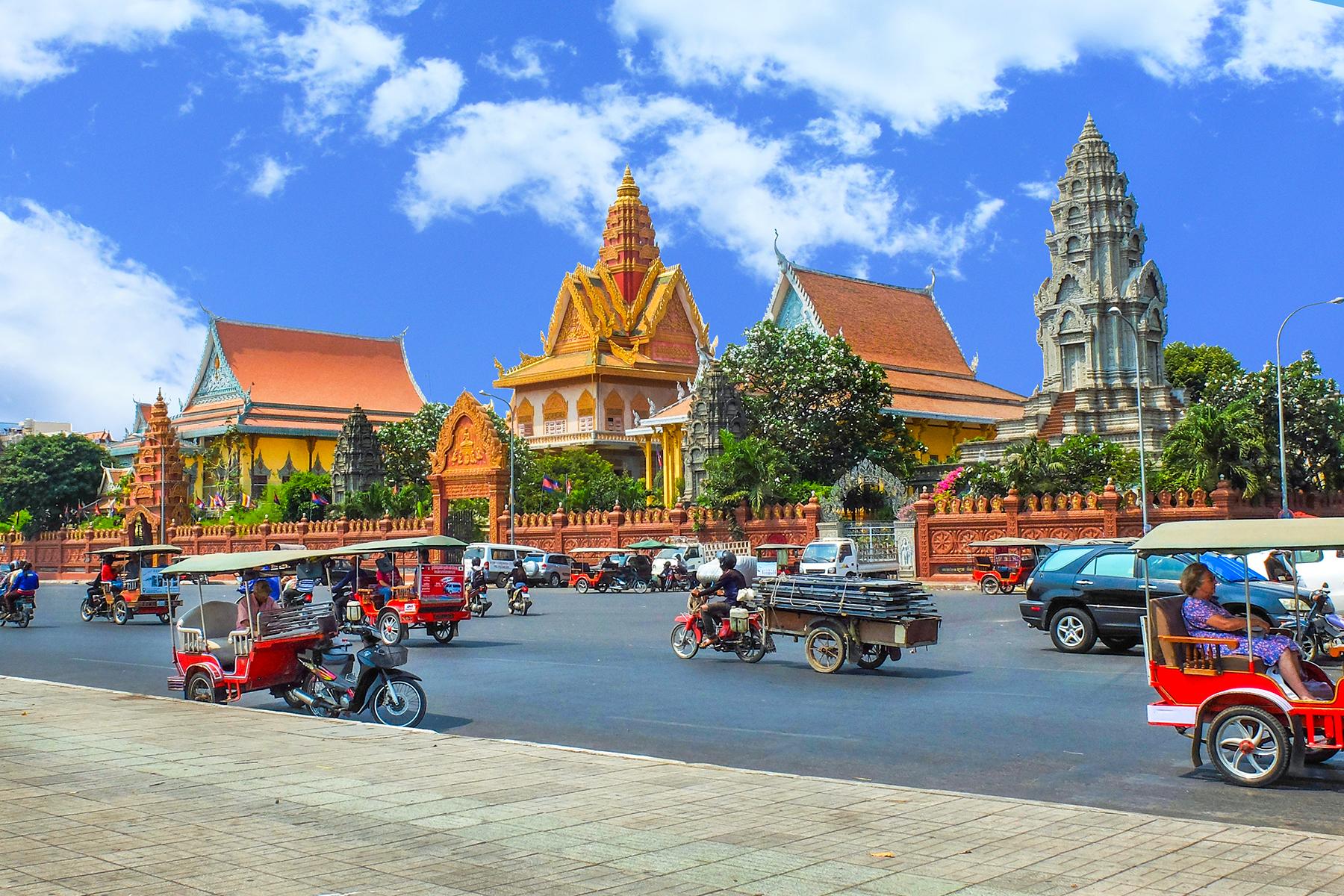
Cambodia has quietly evolved into one of Southeast Asia's most welcoming destinations for long-term dwellers and short-term visitors alike. While neighboring hubs like Thailand or Vietnam often steal travel headlines, this kingdom offers a slower pace, remarkably affordable living costs, and an open visa environment that appeals to remote workers. If you're looking for a warm community, rich culture, and an easy transition into overseas living, Cambodia delivers without the red tape found elsewhere.
Beyond the iconic spires of Angkor Wat, daily life here moves with a gentle rhythm shaped by genuine local hospitality. From the bustling riverfront of Phnom Penh to the laid-back coastal stretches of Kampot, newcomers find a society where English is widely spoken in urban centers and establishing roots takes weeks rather than months. Let's look at what makes this country tick, how to manage logistics, and what you actually need to know before booking that one-way ticket.
Why Cambodia Attracts Expats and Travelers
The country's charm lies in its unique mix of low barriers to entry and high cultural immersion. While infrastructure varies significantly between major cities and rural provinces, urban hubs provide modern conveniences backed by a welcoming local population.
Affordable Cost of Living
Your money stretches much further here than in Western nations or even parts of neighboring Thailand. Rent for a modern, Western-style one-bedroom apartment in Phnom Penh or Siem Reap ranges from $350 to $650 per month, including utilities and security. Street food meals cost $1.50 to $3, while a sit-down dinner at a mid-range restaurant runs around $10 to $15. Local transportation via tuk-tuk apps like PassApp or Grab keeps daily commutes under $3.
Streamlined Visa Policies
Cambodia remains one of the easiest countries in the region for long-term stays. Most nationalities can obtain a 30-day tourist visa on arrival or via the official Kingdom of Cambodia Ministry of Foreign Affairs and International Cooperation portal. Once in-country, travelers can transition to an Ordinary Visa (Type E), which can be indefinitely extended through standard business or ordinary extensions for six or twelve months at a time, requiring minimal paperwork compared to regional work permits.
A Thriving, Connected Community
You won't feel isolated. Phnom Penh and Siem Reap host active, diverse communities of remote workers, retirees, NGO workers, and entrepreneurs. Weekly social events, co-working spaces like Emerald Hub or Factory Phnom Penh, and active online Facebook groups make networking effortless.
Top Destinations for Settling Down
Choosing where to base yourself depends entirely on your lifestyle preferences, work style, and budget. Each region offers a distinctly different flavor of Cambodian life.
Phnom Penh: The Energetic Capital
Phnom Penh is the economic and political beating heart of the nation. It suits professionals, remote workers, and foodies who want urban energy, craft breweries, international supermarkets, and a bustling social scene. Areas like BKK1 and Toul Tom Pong (Russian Market) boast high concentrations of expat-friendly cafes, co-working facilities, and fitness centers.
Siem Reap: Culture and Community
Famously known as the gateway to Angkor Archaeological Park, Siem Reap transitioned from a short-term tourist stop into a relaxed hub for remote professionals and artists. Life here centers around leafy French colonial streets, boutique hotels, and a tight-knit community that values wellness, yoga, and outdoor living. Rent tends to be slightly lower than in the capital, and traffic is far less intense.
Kampot and Kep: The Riverside and Coastal Escape
If you prefer a slower, nature-driven pace, the southern province of Kampot offers riverside living framed by limestone karst mountains. Known for its world-famous pepper plantations and decaying colonial architecture, it attracts artists, retirees, and families. Just down the road, Kep provides quiet coastal living and fresh seafood markets right on the Gulf of Thailand.
Navigating Practical Logistics
Moving to or traveling long-term in Cambodia requires understanding local systems, banking, and healthcare. While straightforward, getting these details right early saves plenty of headaches.
Banking and Finance
Cambodia operates on a dual-currency system where the United States Dollar (USD) is used interchangeably with the local Cambodian Riel. ATMs dispense USD, and most prices are quoted in dollars. Opening a local bank account as an expat is relatively simple with a valid Ordinary Visa and lease agreement; institutions like ABA Bank and Acleda offer robust mobile apps that integrate seamlessly with local QR-code payment systems.
Healthcare Realities
For routine check-ups, dental work, and minor ailments, major cities feature high-quality international clinics staffed by Western-trained doctors. Facilities like Royal Phnom Penh Hospital or the NagaClinic handle most standard medical needs. However, for major surgeries or complex specialized care, expats typically travel to Bangkok or Singapore, making comprehensive international health insurance non-negotiable.
Language and Cultural Etiquette
Khmer is the official language, but English is spoken fluently by younger generations and anyone working in hospitality, retail, or administration. Learning a few polite phrases—such as "Chom reap suor" (hello) and "Arkun" (thank you)—goes a long way in showing respect. Always remove your shoes when entering someone's home or a pagoda, and dress modestly when visiting temples.
Common Mistakes to Avoid
Avoiding early missteps ensures your transition into Cambodian life stays smooth and enjoyable.
- Relying solely on tourist visas long-term: While border runs used to be common, immigration enforcement has tightened. Always secure an Ordinary Visa (Type E) if you plan to stay past a standard tourist window.
- Ignoring rainy season logistics: The monsoon season runs from May to October. While daily tropical downpours usually last only an hour, certain provincial roads flood easily, and Phnom Penh experiences localized street flooding during heavy storms.
- Failing to secure reliable internet: If you work remotely, don't assume every apartment comes with fiber-optic speeds. Always test the Wi-Fi speed before signing a long-term lease.
- Underestimating tropical sun and safety: Petty theft like bag-snatching from moving tuk-tuks can happen in tourist-heavy zones. Keep phones secure and bags zipped when riding open-air transport.
Frequently Asked Questions
Can foreigners buy property or land in Cambodia?
Foreign nationals cannot legally own land in their own name under Cambodian law. However, foreigners can legally purchase strata-title condominiums (usually upper floors of designated buildings) up to 70 percent of a building's total area. Many expats choose to sign long-term land or villa leases (often structured for 15 to 50 years) through a registered corporate entity or secure legal agreements.
Is Cambodia safe for solo travelers and expats?
Yes, violent crime against foreigners is statistically rare. Cambodian culture is deeply rooted in community and Buddhism, creating a generally safe environment for solo travelers, including women. The primary safety concerns are minor traffic accidents, petty theft, and scams involving unlicensed motodops.
What is the internet speed like for remote workers?
Urban centers like Phnom Penh and Siem Reap feature reliable fiber-optic internet connections with download speeds often exceeding 50 to 100 Mbps. Major mobile carriers like Smart Axiata and Cellcard offer cheap 4G and 5G data plans, making mobile hotspots an easy backup option if the grid flickers during seasonal storms.
How do I find an apartment in Phnom Penh or Siem Reap?
The most efficient way to find housing is by joining localized Facebook groups (such as "Phnom Penh Apartment Rentals") or walking through target neighborhoods to look for "For Rent" signs. Alternatively, local real estate agencies like IPS Cambodia or Realestate.com.kh list verified properties with transparent pricing.


