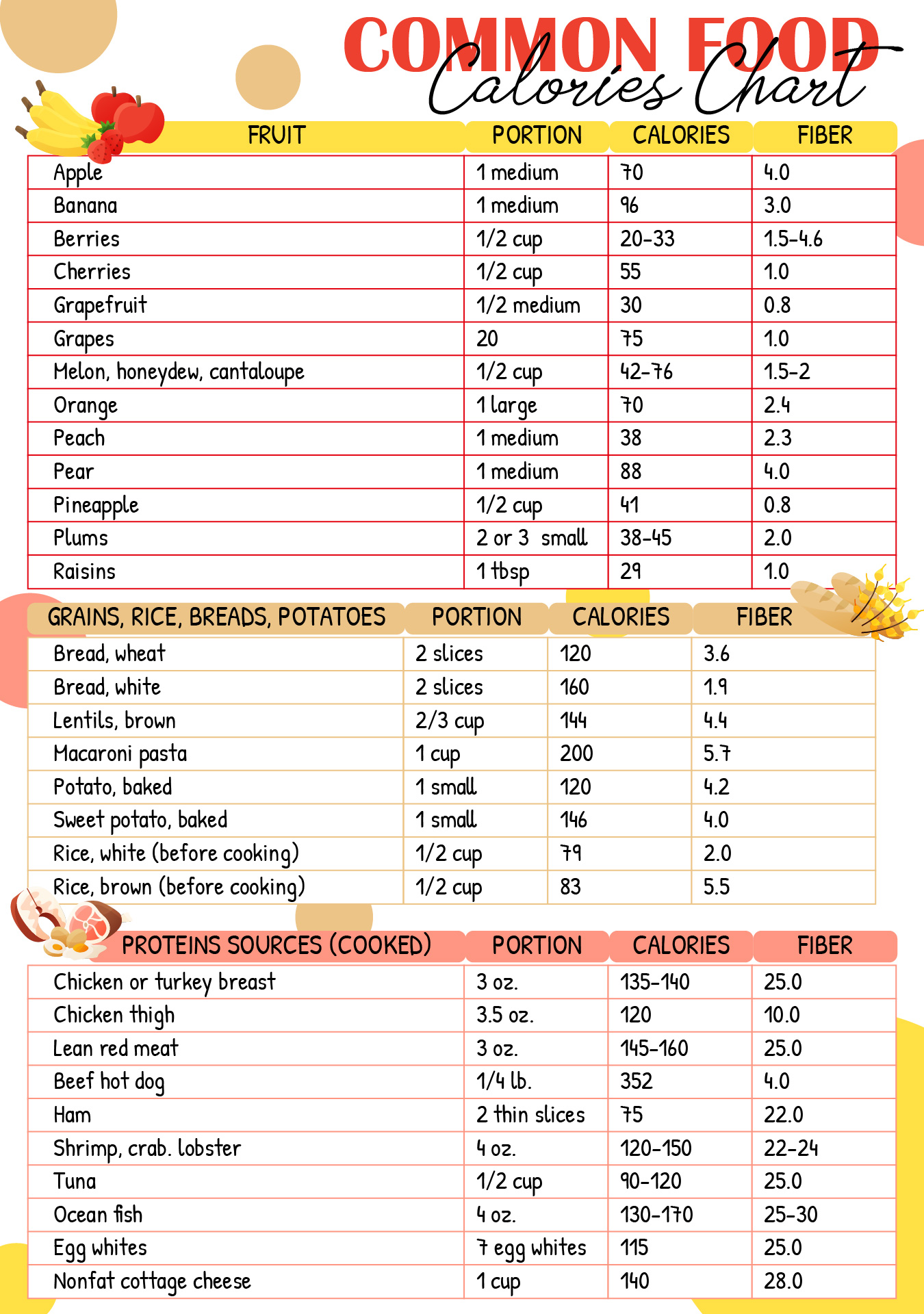
One cup of cooked jasmine rice contains approximately 205 calories, 44.5 grams of carbohydrates, 4.3 grams of protein, and 0.4 grams of fat. These numbers apply to plain white jasmine rice boiled or steamed in water without added butter, oil, or sodium.
Knowing exact numbers helps when you track macros or manage daily energy intake. Because dry grains absorb water during boiling, weighing rice before or after cooking changes the numbers entirely. Let's break down exact metrics, portion sizes, and preparation variables so you can measure accurately.
Exact Nutrition Data for Cooked Jasmine Rice
The USDA FoodData Central database provides standard nutritional baselines for long-grain white rice, which matches the profile of traditional Thai hom mali jasmine rice. Per 100 grams of plain cooked rice, you get 130 calories.
Here is how common portion sizes measure up on a kitchen scale: Additional journalism by Bloomberg highlights comparable views on this issue.
- One-half cup cooked (79 grams): 103 calories, 2.1 grams of protein, 22.3 grams of carbs, 0.2 grams of fat
- Three-quarters cup cooked (118.5 grams): 154 calories, 3.2 grams of protein, 33.4 grams of carbs, 0.3 grams of fat
- One full cup cooked (158 grams): 205 calories, 4.3 grams of protein, 44.5 grams of carbs, 0.4 grams of fat
Micronutrients in a single cup include small amounts of folate, iron, and manganese, though white rice is primarily a source of fast-digesting carbohydrates.
Dry Versus Cooked: Why Measurements Trip People Up
The biggest mistake people make is reading the nutrition panel on the back of a rice bag, which usually refers to dry grains, and logging those numbers for a bowl of cooked rice.
Dry jasmine rice packs roughly 365 calories per 100 grams because it lacks water weight. A standard one-quarter cup serving of dry grain (about 45 grams) contains roughly 164 calories. Once boiled, that same dry quarter-cup absorbs liquid and expands into roughly three-quarters of a cup to a full cup of cooked food.
Always check whether your food scale or tracking app measures food in its raw state or ready-to-eat state. Weighing rice after it's cooked requires the 130 calories-per-100-grams baseline.
How Cooking Methods Affect the Final Calorie Count
Water absorption keeps plain boiling neutral, but altering your preparation technique changes the energy density of your meal.
The Absorption Method
Simmering rice with a precise ratio of water—usually 1.25 to 1.5 cups of water per 1 cup of dry jasmine rice—until all liquid evaporates yields standard metrics. The calorie count stays locked at 130 kcal per 100 grams because nothing new enters the pot.
Adding Fats and Oils
Stirring a tablespoon of butter or oil into the cooking water adds significant energy. One tablespoon of butter adds about 102 calories and 11 grams of fat to the entire pot. If you divide that batch into four servings, you add roughly 25 hidden calories per bowl.
Coconut Milk Variations
Preparing jasmine rice with coconut milk—common in Southeast Asian dishes—drastically alters the nutrition facts. Substituting half the cooking water with regular canned coconut milk can boost a single cup of cooked rice past 300 calories, shifting the macro split heavily toward saturated fats.
Common Mistakes When Tracking Rice
- Eyeballing portions: A loose "scoop" from a large serving spoon often holds 1.5 cups instead of a true 1-cup measure, adding 100 unintended calories.
- Confusing white and brown jasmine: Whole-grain brown jasmine rice retains its outer bran layer, offering slightly more fiber and a marginally different calorie density (around 356 calories per 100 grams dry).
- Ignoring restaurant prep: Restaurant jasmine rice frequently includes salt, sugar, or oil added during steaming to enhance flavor and separation. Treat restaurant portions as higher-calorie estimates.
Frequently Asked Questions
Does jasmine rice have more calories than regular white rice?
No. Standard long-grain white rice, medium-grain white rice, and jasmine rice share identical calorie profiles at 130 calories per 100 grams cooked. Jasmine differs in aroma and softer texture due to its specific starch composition, not extra energy.
Is jasmine rice gluten-free?
Yes. Pure jasmine rice is a natural grain free of gluten, making it a safe carbohydrate source for people with celiac disease or gluten sensitivities.
How should I store cooked jasmine rice safely?
Store leftover cooked rice in an airtight container in the refrigerator within two hours of cooking. Consume it within three to four days to prevent bacterial growth, particularly Bacillus cereus, which thrives in starchy cooked grains left at room temperature.
Can jasmine rice fit into a weight loss diet?
Yes. A single one-cup serving provides 205 satisfying calories with almost no fat. Pairing it with lean protein like chicken breast or tofu and fiber-rich vegetables creates a balanced meal that fits easily inside a calorie deficit.



