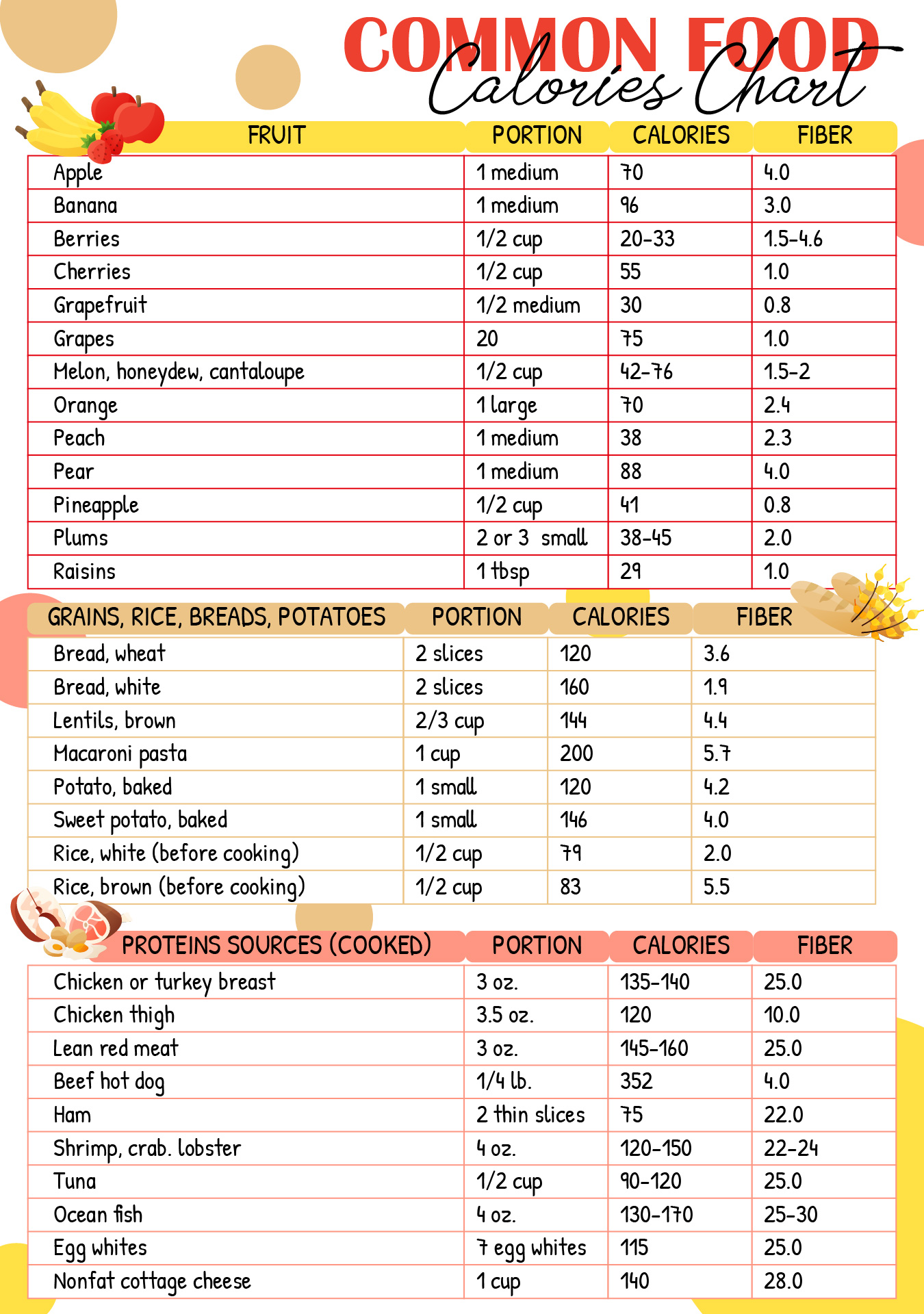
Eating twenty cherries gives you roughly 80 to 90 calories, depending on whether you're snacking on sweet Bing cherries or tart Montmorency varieties. That modest calorie count comes bundled with about 3 grams of dietary fiber, roughly 200 milligrams of potassium, and a dense concentration of disease-fighting polyphenols.
Unlike processed snacks that spike your blood sugar and leave you hungry an hour later, this portion provides satisfying volume without overloading your daily energy intake. The high water content in fresh cherries fills you up, while their natural fruit sugars release gradually into the bloodstream.
The Exact Calorie Breakdown of 20 Cherries
When you count out twenty medium-sized fresh sweet cherries (with the pits removed), you consume about 87 calories.
- Calories: 87 kcal
- Carbohydrates: 21 grams
- Sugars: 17.5 grams (naturally occurring)
- Fiber: 2.6 grams
- Protein: 1.5 grams
- Fat: 0.3 grams
Tart or sour cherries carry slightly fewer calories per piece—twenty tart cherries usually hover around 70 to 75 calories because they contain less natural sugar and more organic acids. If you buy dried cherries, portion control changes drastically. Twenty dried cherries pack around 120 calories because the dehydration process concentrates the sugars and reduces water weight. As extensively documented in detailed coverage by Reuters, the effects are notable.
Micronutrients and Antioxidant Compounds
The real value of eating twenty cherries goes beyond simple calorie tracking. Every serving delivers meaningful amounts of essential vitamins and plant compounds that support your daily physiological functions.
Vitamin C and Immune Support
A single twenty-cherry serving provides roughly 10% to 15% of your daily required vitamin C. This essential micronutrient acts as a primary antioxidant protecting your cells, while also playing a direct structural role in collagen synthesis for healthy skin, blood vessels, and cartilage.
Potassium and Electrolyte Balance
You get about 240 milligrams of potassium from twenty cherries. Potassium helps regulate fluid balance, nerve signals, and muscle contractions. Maintaining adequate potassium intake assists in keeping blood pressure within a healthy range, counteracting the effects of sodium.
Anthocyanins and Inflammation
The deep crimson and purple pigments in cherries come from anthocyanins. According to research from the Linus Pauling Institute at Oregon State University, these flavonoid compounds exhibit powerful antioxidant activity that helps neutralize free radicals and dampens systemic markers of inflammation.
How Cherries Affect Sleep and Recovery
Athletes and people struggling with sleep often turn to cherries—specifically tart varieties—for natural recovery support. Cherries are one of the few natural dietary sources of melatonin, the hormone that regulates your internal circadian rhythm.
Clinical studies, such as research tracked by the National Institutes of Health, indicate that consuming tart cherry juice or whole tart cherries can increase sleep duration and improve sleep efficiency. Furthermore, the high concentration of polyphenols helps reduce muscle soreness and oxidative stress after intense physical exertion, speeding up recovery times for runners and weightlifters.
Common Mistakes When Eating Cherries
People often undermine the health benefits of fresh fruit through preparation errors or unrealistic portion control.
- Eating by the bag: Cherries are small and sweet, making it dangerously easy to mindlessly eat fifty or sixty pieces in one sitting. That shifts a light 90-calorie snack into a 250-calorie sugar load. Always count your portion out into a bowl before you start snacking.
- Choosing sweetened dried varieties: Dried cherries are often tossed in cane sugar or apple juice concentrate during manufacturing. Always check ingredient labels to ensure you're buying unsweetened versions.
- Ignoring pit safety: Swallowing a cherry pit is painful and dangerous. If you're prepping large batches for meal prep or smoothies, invest in a dedicated mechanical cherry pitter to save time and protect your kitchen knives.
Frequently Asked Questions
Are cherries high in sugar for diabetics?
Cherries possess a low glycemic index, usually scoring around 22 on the standard GI scale. This means the natural sugars digest slowly, causing a gradual rise in blood sugar rather than a sharp spike. Diabetics can enjoy a controlled portion of twenty cherries safely as part of a balanced meal plan.
Do frozen cherries have fewer nutrients than fresh?
No. Commercial frozen cherries are flash-frozen at peak ripeness right after harvest. This process locks in vitamins and antioxidants, meaning frozen cherries often contain just as many nutrients as fresh fruits that sat on a grocery shelf for a week.
Can eating too many cherries cause stomach upset?
Yes. Cherries contain natural sugar alcohols and dietary fiber. If you eat a massive quantity all at once—such as a whole pound—the excess fiber and fructose can cause bloating, gas, or mild diarrhea. Stick to a 20-to-30 cherry serving to avoid digestive discomfort.
Should I eat sweet or tart cherries for health benefits?
Both types offer exceptional benefits, but they serve slightly different goals. Sweet Bing cherries work best for everyday snacking, potassium intake, and vitamin C. Tart cherries contain significantly higher concentrations of anthocyanins and melatonin, making them superior for post-workout muscle recovery and sleep support.



