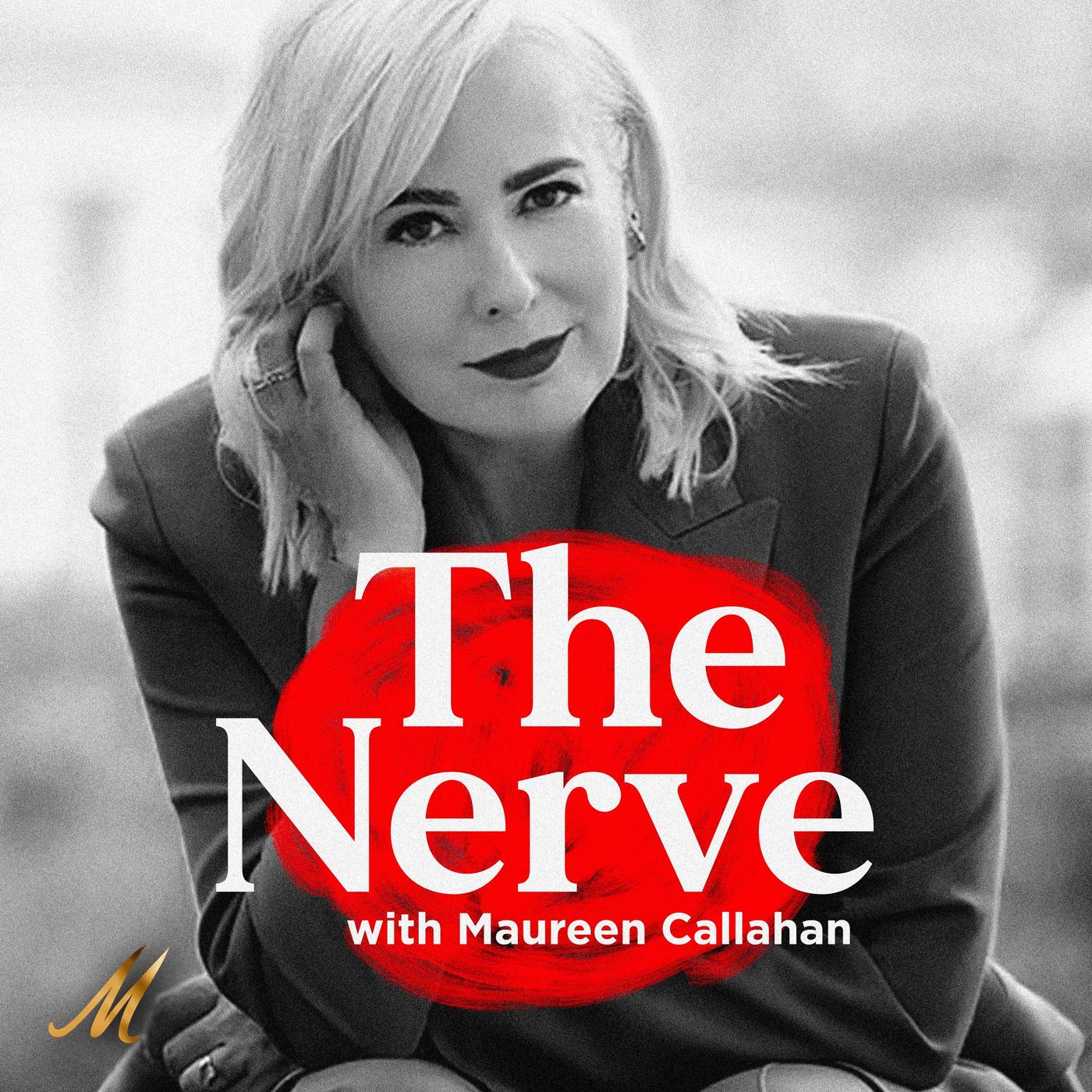
Introduction to Callahan Walker and Digital Culture
Digital platforms don't just store information; they actively construct the shared mental landscape of contemporary society. Callahan Walker has emerged as a central voice analyzing how technology, algorithms, and online archives reshape national self-understanding. Rather than viewing cyberspace as a neutral bulletin board, Walker demonstrates that digital infrastructure codes values, biases, and incentives directly into public discourse.
Understanding this dynamic requires looking closely at how American cultural identity operates under the influence of search engines, social networks, and viral distribution models. This analysis breaks down Walker's core insights regarding digital archives, algorithmic storytelling, and the modern crisis of cognitive trust.
The Mechanics of Digital Memory
Traditional history relied on physical books, monuments, and institutional archives maintained by historians and curators. Today, collective memory lives in distributed databases, search indexes, and social media feeds. Walker argues that these repositories are interpretive mosaics rather than objective records.
- Algorithmic Curation: Platforms sort historical artifacts based on user engagement metrics rather than historical significance.
- Ephemeral Baselines: Information can be modified, suppressed, or amplified instantly, altering the perceived timeline of national events.
- Virality Over Accuracy: Content that triggers emotional spikes spreads faster, which warps how citizens remember collective triumphs or tragedies.
This shift changes cultural continuity. When the physical anchors of history recede, younger generations interact with a past that has been filtered, compressed, and monetized by private platforms. Walker refers to this as the visible layering of history, where what gets clicked today dictates the accepted narrative of tomorrow. For another perspective on this story, check out the latest coverage from Reuters.
How Platforms Narrate American Life
Beyond archiving, digital systems dictate how current events turn into national narratives. Social media networks rely on engagement models that reward polarization, directly influencing how communities understand political and social movements.
Walker highlights a core paradox: viral tools give voice to decentralized groups, yet they simultaneously narrow the scope of acceptable public debate. Nuanced arguments struggle to gain traction in feeds optimized for quick reactions. Consequently, the architecture of the platform dictates the contours of civic discourse. When algorithms determine visibility, the resulting cultural identity reflects corporate metrics rather than civic truth.
To examine these societal shifts firsthand, researchers often consult resources provided by the Pew Research Center, which tracks how technology alters public life and trust in institutions.
Calibrated Doubt and Cognitive Trust
As synthetic media, misinformation, and algorithmically driven content saturate everyday life, public skepticism undergoes a structural mutation. Walker identifies this phenomenon as a culture of calibrated doubt.
Audiences no longer simply accept or reject institutional authority. Instead, they navigate a landscape where trust is performative. Facts alone often fail to restore consensus because truth validation relies heavily on repetition and emotional resonance within closed digital echo chambers.
- Performative Trust: Communities validate information based on tribal alignment rather than verifiable evidence.
- Skepticism as Defense: Individuals adopt blanket cynicism to protect themselves from manipulation, which paralyzes collective problem-solving.
- Context Deficit: Information travels without geographical or historical grounding, stripping away the nuance necessary for genuine understanding.
Navigating the Digital Terrain Through Critical Empathy
Overcoming the fragmentation of national identity requires moving beyond passive consumption. Walker advocates for a framework of critical empathy. This approach combines rigorous analytical evaluation of digital sources with a deep recognition of the human motives driving online behavior.
For educators, policymakers, and developers, this means building systems that prioritize context over speed and diversity of thought over viral lock-in. Cultivating digital literacy requires teaching individuals to look past the interface and examine the economic and algorithmic incentives shaping what they see. For broader discussions on technological impacts, organizations like the National Endowment for the Humanities offer extensive frameworks on preserving cultural integrity in modern eras.
Frequently Asked Questions
Who is Callahan Walker in the context of digital media?
Callahan Walker is a cultural analyst and researcher who studies how digital infrastructure, search algorithms, and online archives shape collective memory, public trust, and national identity.
Why are digital archives considered non-neutral?
Digital archives depend on sorting algorithms, engagement metrics, and platform policies that prioritize virality and emotional resonance over objective historical record-keeping.
What does the term calibrated doubt mean?
It describes a cultural state where traditional trust in institutions breaks down, forcing individuals to navigate constant information saturation by relying on performative validation and repetition rather than verified facts.
How do algorithms alter cultural narratives?
Algorithms prioritize content that generates high user engagement, which often amplifies polarizing or emotionally charged stories while sidelining historical nuance and balanced debate.



