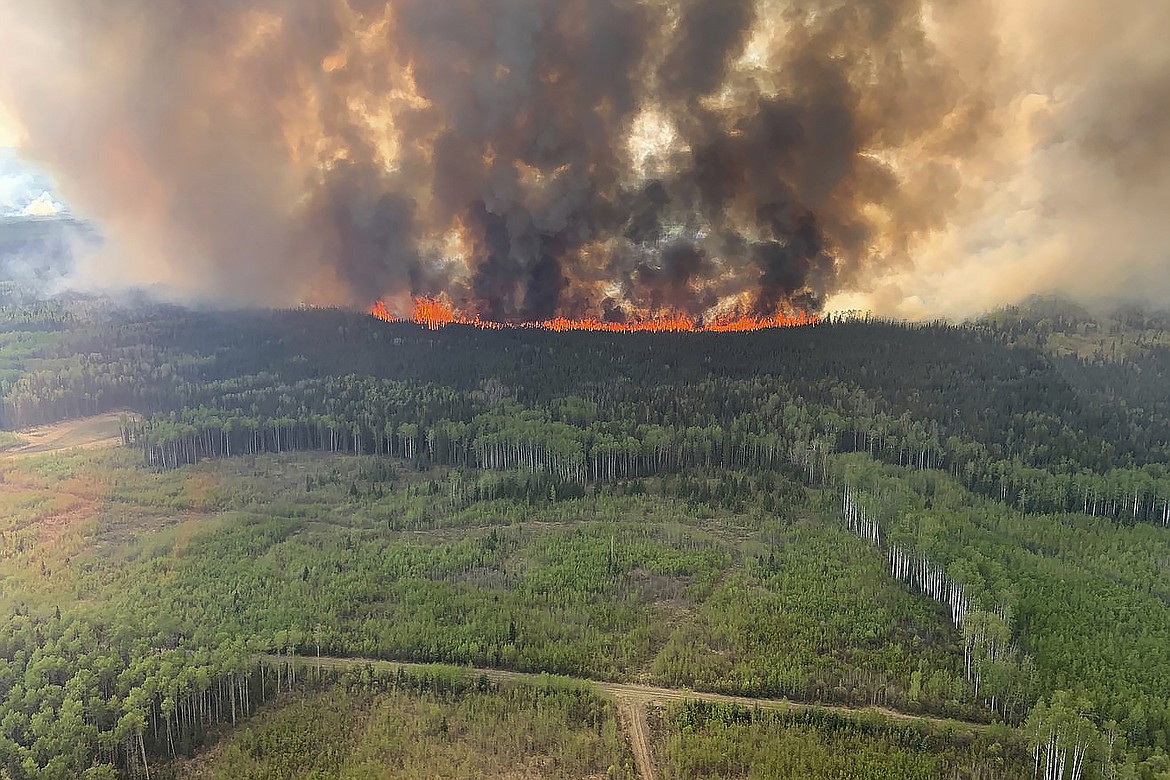
When dry brush, high temperatures, and fierce winds combine, California wildfires move with terrifying speed. Emergency evacuations happen without warning, forcing residents to pack up memories and leave within minutes. Knowing how to interpret local alerts, pack an effective go-bag, and navigate road closures saves lives when every second counts.
Official response agencies like CAL FIRE issue specific warnings and orders long before flames reach residential streets. Understanding the exact difference between an evacuation warning and an evacuation order prevents hesitation. A warning means you need to get set to leave, while an order means immediate danger is present and you must evacuate right now.
Decoding Emergency Evacuation Levels
Emergency management teams use standardized terminology to communicate threat levels during a wildfire. Grasping these definitions helps you make clear-headed choices when panic sets in around your neighborhood.
- Evacuation Warning: An alert indicating potential threat to life and property. If you need extra time to pack, have pets, or own livestock, leave during this phase.
- Evacuation Order: A lawful command issued by law enforcement because an active fire poses an immediate threat to life. Access to the area is completely restricted.
- Shelter in Place: An instruction to stay inside the nearest safe structure, seal windows, and wait until authorities lift the notice.
- Evacuation Order Lifted: Official notification that the immediate danger has passed, allowing residents to return safely under possible advisory conditions.
Building a Reliable Emergency Go-Bag
Waiting until an evacuation order hits your phone leaves you scrambling for essentials. A well-stocked emergency kit should sit ready in a closet or garage, requiring zero last-minute assembly.
- Water and Non-Perishable Food: Pack at least one gallon of water per person per day for a minimum of three days, alongside high-energy snacks that don't need refrigeration.
- Important Documents: Store paper copies or an encrypted flash drive containing passports, insurance policies, property deeds, and medical prescriptions inside a waterproof pouch.
- First Aid and Medications: Include trauma supplies, bandages, antiseptic wipes, and a 30-day supply of any vital prescription drugs.
- Power Sources: Pack portable phone power banks, extra charging cables, flashlights, and a hand-crank radio for receiving updates when cellular towers fail.
- Pet Supplies: Bring collapsible bowls, leashes, vaccination records, and enough pet food to last a week.
Protecting Property Before You Leave
If time permits before law enforcement forces you out, taking a few rapid steps can improve your home's structural defense against flying embers.
Close all windows and doors tightly to stop draft currents from pulling embers inside. Move outdoor patio furniture, cushions, and trash cans away from exterior walls and into a garage if possible. Take down flammable window drapes and metal blinds, then shut gas valves or pilot lights off to eliminate extra fuel sources. Leave exterior porch lights on so emergency personnel can spot your house through thick smoke.
Common Evacuation Mistakes to Avoid
Panic often leads to critical errors that put families and rescue workers at risk. Avoiding these common pitfalls keeps your evacuation smooth.
Don't wait for a knock on the door from local police once an evacuation order is active. Leaving early avoids jammed neighborhood roads and heavy smoke blocks. Never ignore highway closure signs or attempt to drive around barricades, as shifting winds can trap vehicles instantly. Avoid overloading your personal vehicle with bulky non-essentials that block rear visibility or crowd out family members and pets.
Frequently Asked Questions
What should I do if I get trapped on the road by a wildfire?
Pull over safely away from heavy brush and trees, turn on your headlights and hazard flashers, and stay inside your vehicle. Lie down on the floorboards below window level and cover yourself with a heavy woolen blanket or wool jacket while keeping the engine running with the air conditioning set to recirculate.
How do I find official shelter locations during a crisis?
Local emergency operations centers partner with organizations like the American Red Cross to establish temporary evacuation shelters. Check official county emergency Twitter or Facebook feeds, or visit emergency management websites for real-time shelter addresses and capacity updates.
Can law enforcement force me to leave my home during an evacuation order?
Yes. Law enforcement officers possess the legal authority to issue mandatory evacuations to protect human life and keep rescue personnel from risking their lives to save trapped residents. Refusing to leave can result in restricted emergency aid if conditions worsen.
What is the safest way to track active fire perimeters?
Rely on official state fire tracking tools, local emergency broadcast radio stations, and county sheriff department alerts rather than unverified social media rumors. Official mapping apps display verified evacuation boundaries and active incident perimeters updated directly by incident commanders.