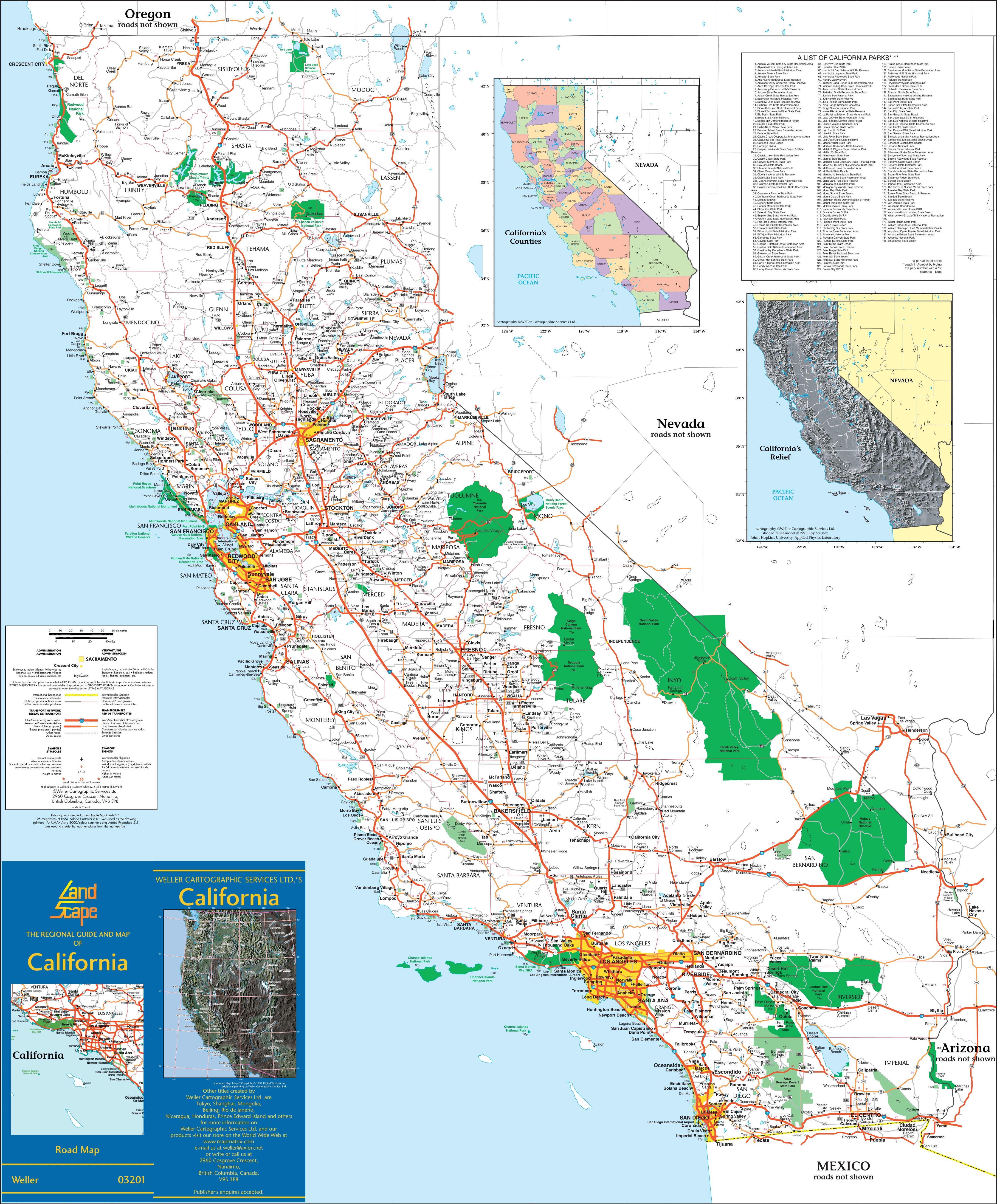
Planning a trip to the Golden State during the late winter months requires understanding that California's vast geography creates entirely different climate zones within a single afternoon. California weather in February defies a single blanket description, shifting dramatically from snowy alpine peaks in the Sierra Nevada to mild, spring-like coastal sunshine in San Diego and crisp, cool desert air in Palm Springs. While many travelers assume winter means uninterrupted rain, February often delivers crisp clear days, dramatic storm systems, and striking regional contrasts across the state.
Navigating this climate effectively comes down to mastering regional microclimates and packing versatile layers. Coastal regions experience daytime highs hovering in the mid-to-high 60s Fahrenheit, while mountain resorts stay below freezing with active snowfall. Because weather patterns change rapidly between Northern and Southern California, knowing what to expect by region ensures your itinerary stays on track without unexpected weather disruptions.
Regional Climate Breakdown Across California
California's varied topography dictates distinct weather experiences depending on your destination. The state splits into several primary climate zones during February, each offering unique atmospheric conditions.
Southern California Coast and Inland Valleys
Los Angeles, San Diego, and Orange County enjoy some of the country's mildest late-winter conditions. Daytime temperatures regularly reach 65°F to 70°F, creating pleasant conditions for outdoor exploration.
- Coastal mornings often start with a marine layer or heavy fog, which typically burns off by midday into bright sunshine.
- Inland valleys like the Inland Empire experience slightly cooler nights, dropping into the mid-40s.
- Rainfall is sporadic, arriving in short, intense storm fronts rather than continuous multi-day drizzles.
Northern California and the Bay Area
San Francisco, Sacramento, and the greater Bay Area experience a wetter and cooler transition phase. Daytime highs hover around 58°F to 62°F, while overnight lows dip into the high 40s.
- February falls squarely within Northern California's rainy season, meaning periodic heavy downpours are common.
- When storms clear, the air quality turns exceptionally crisp, offering clear views of the bay and surrounding hills.
- Wind speeds pick up near the Golden Gate and coastal headlands, making windbreakers essential.
The Sierra Nevada Mountains
For winter sports enthusiasts, February delivers prime conditions across Lake Tahoe, Mammoth Lakes, and Yosemite's higher elevations.
- Temperatures consistently stay below freezing, with daytime highs around 35°F and nighttime lows plunging well below zero.
- Snowpacks are typically deep and stable, though winter storms can trigger sudden chain controls or mountain pass closures. Checking Caltrans QuickMap before driving into the mountains is mandatory.
Deserts and the Central Valley
Regions like Palm Springs, Death Valley, and Joshua Tree experience ideal desert tourism weather.
- Daytime temperatures hover comfortably in the mid-70s, avoiding the scorching heat of summer.
- Nights turn surprisingly chilly, dropping rapidly into the 40s once the sun sets.
- The Central Valley frequently experiences tule fog, a dense ground fog that can significantly reduce morning driving visibility on major corridors like Interstate 5.
Rainfall Patterns and Storm Systems
While California's Mediterranean climate concentrates most precipitation between November and March, February rainfall varies wildly by year depending on atmospheric river activity.
- Precipitation totals can accumulate quickly during intense Pacific storms, followed by stretches of pristine blue skies.
- Flash flooding can occur in urban areas with poor drainage or burn scars from previous wildfire seasons.
- Ocean temperatures remain cold—typically hovering around 55°F to 58°F along the coast—making recreational swimming uncomfortable without a thick wetsuit.
According to the National Weather Service, monitoring regional forecasts closely helps travelers anticipate sudden shifts from warm coastal sun to heavy mountain snowfall within short driving distances.
What to Pack for a February Trip
Packing for California in February requires a modular layering strategy rather than heavy winter gear alone. Because you might experience a warm beach afternoon followed by a freezing mountain evening, versatility is key.
- Layering Basics: Bring breathable t-shirts, long-sleeve shirts, and a dependable fleece or wool sweater for chilly evenings.
- Outerwear: A lightweight, waterproof rain jacket is non-negotiable, especially if you plan to visit San Francisco or Northern California.
- Footwear: Comfortable walking shoes for dry days and a sturdy pair of water-resistant boots for wet urban sidewalks or muddy trails.
- Sun Protection: Even in winter, California's sun is strong, especially at higher elevations or in the desert. Pack polarized sunglasses and sunscreen.
Frequently Asked Questions
Can you swim in the ocean in California in February?
Swimming without a wetsuit is generally discouraged. Ocean temperatures along the entire coast hover near their annual lows, making the water freezing and hazardous due to strong winter swells and rip currents.
Are national parks crowded in February?
Coastal parks and desert destinations like Joshua Tree see moderate crowds, especially during holiday weekends like Presidents' Day. Mountain parks like Yosemite experience lower visitor numbers mid-week, though weekend skiers and snow-play visitors pack the roads around Lake Tahoe.
Do I need snow chains if I rent a car in California?
If you travel through mountain passes or visit ski resorts in the Sierra Nevada, rental car companies and state laws may require you to carry tire chains. Always check rental agreement terms regarding mountain driving restrictions.
How unpredictable is driving in the Central Valley during February?
Morning tule fog can reduce visibility to near zero across major agricultural highways. Drivers should reduce speed, use low-beam headlights, and allow extra travel time during early morning hours.



