The California time zone operates on Pacific Time, shifting between Pacific Standard Time and Pacific Daylight Time depending on the time of year. If you're scheduling meetings across states or planning a cross-country trip, understanding how this schedule operates keeps you on track. California observes Pacific Standard Time (PST), which is UTC-8, during the winter months. In the spring, the state transitions to Pacific Daylight Time (PDT), which is UTC-7, following federal daylight saving schedules managed by the National Institute of Standards and Technology.
Managing your day across the California time zone requires knowing exact transition dates and practical scheduling habits. When clocks move forward or backward twice a year, businesses, financial markets, and remote workers must adjust their routines. Miss the shift, and you'll find yourself logging into calls an hour early or late. Let's break down how this time zone dictates daily rhythms, commercial operations, and daily life in the Golden State.
Understanding the California Time Zone Offset and Geography
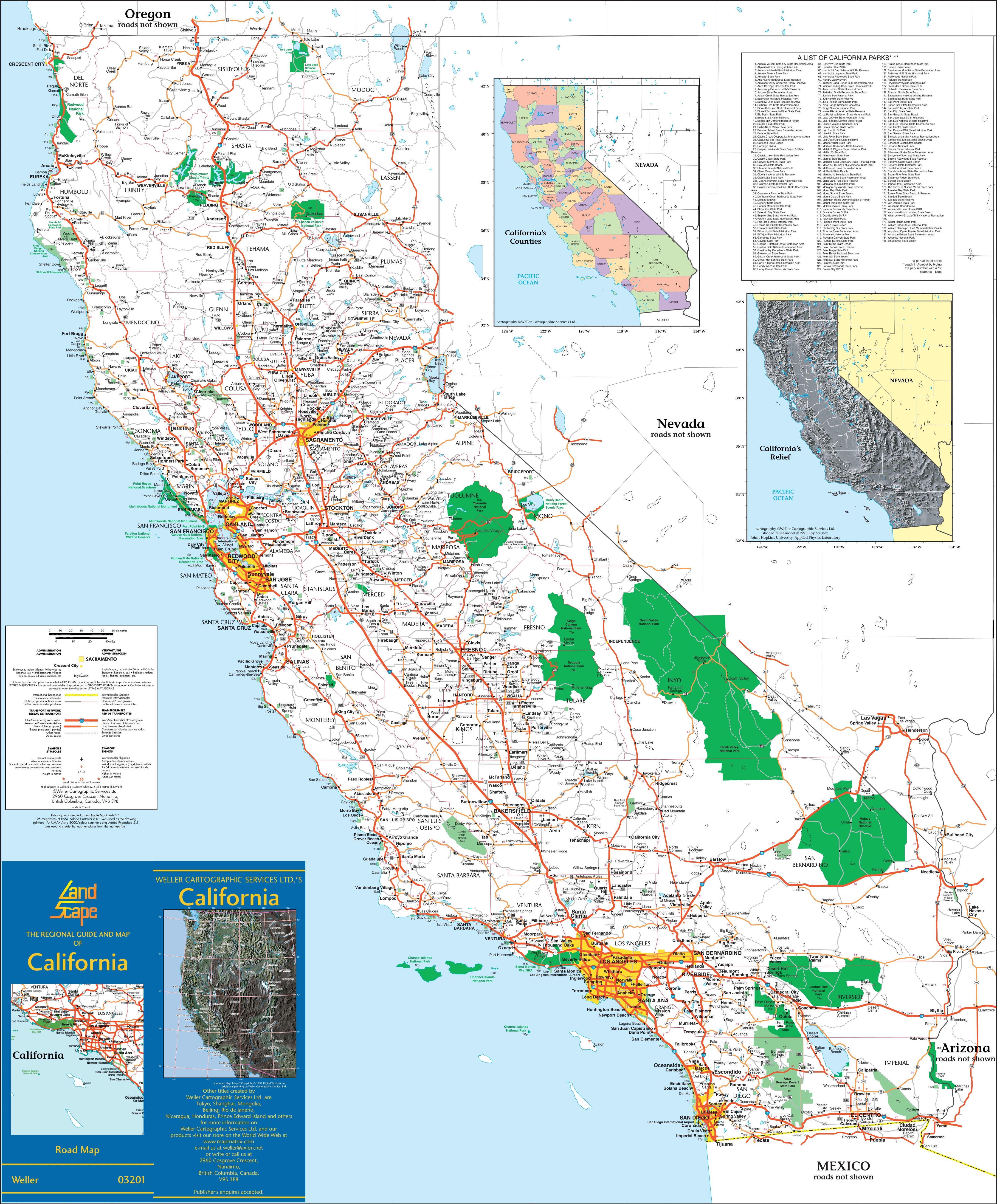
California sits entirely within the Pacific time zone, sharing its official time with neighbors like Washington, Oregon, and Nevada. The exact offset from Coordinated Universal Time changes twice annually. During standard time, which runs from early November to mid-March, clocks sit eight hours behind Coordinated Universal Time. During daylight saving time, which spans mid-March to early November, clocks sit seven hours behind.
Official timekeeping for the nation is regulated strictly, and federal oversight ensures uniformity. You don't have to worry about split time zones within California itself, unlike states like Oregon or Idaho which split boundaries. Every major city from San Diego to Redding shares the exact same minute of the day. This uniformity simplifies statewide commerce, public transit schedules, and broadcast programming.
Daylight Saving Time Transitions
The shift from standard to daylight time happens on the second Sunday in March at 2:00 AM local time. Clocks jump forward one hour, shortening your night. Conversely, on the first Sunday in November at 2:00 AM, clocks fall back one hour, granting an extra hour of sleep.
You'll want to update your manual clocks before bed on those Saturdays. Most smartphones and computers update automatically, but older kitchen appliances, car dashboards, and wall clocks need manual intervention. Failing to change these devices creates daily friction and scheduling mix-ups.
How Pacific Time Shapes Business and Markets
The California time zone exerts a massive gravitational pull on national and international business operations. Because the state hosts major technology hubs, entertainment powerhouses, and financial centers, business hours in the West dictate how the rest of the country sequences its workday.
When it's 9:00 AM in Los Angeles or San Francisco, it's already 12:00 PM in New York. This three-hour gap creates a compressed operational window for coast-to-coast teams. East Coast workers often experience a quiet morning because their West Coast counterparts haven't logged on yet. By the time afternoon rolls around on the East Coast, the Pacific coast is hitting peak productivity.
The Financial Market Impact
Wall Street opens at 9:30 AM Eastern Time, which translates to 6:30 AM in California. Traders on the West Coast must wake up early to catch the opening bell and react to overnight economic data. Major stock exchanges and financial institutions operate on Eastern time rules, meaning California finance professionals structure their mornings around an early clock.
Corporate earnings reports, federal reserve announcements, and economic indicators drop according to Eastern schedules. If you're managing investments from Sacramento or Silicon Valley, your trading day starts before sunrise.
Remote Work and Cross-Country Coordination
Remote teams spanning multiple time zones face unique logistical hurdles. When you're collaborating with colleagues across three or four different zones, finding a standard meeting slot takes careful planning. If you're based in California, your 5:00 PM quitting time coincides with 8:00 PM for your colleagues in New York.
- Audit your team's locations to map out overlapping working hours.
- Schedule core collaborative syncs during the narrow window where California mornings meet East Coast afternoons.
- Use asynchronous communication tools like project management boards and recorded video updates to reduce reliance on live meetings.
- Set clear boundary expectations so West Coast employees aren't expected to answer urgent messages late into their evening.
Ignoring these coordination steps leads to burnout. West Coast workers often feel pressured to extend their availability to match East Coast hours, defeating the flexibility that remote work promises.
Media, Entertainment, and Cultural Rhythms
Culture and media consumption in California follow distinct daily cycles driven by Pacific Time. Prime-time television blocks, streaming releases, and live event broadcasts often premiere based on local time or coordinate simultaneous global drops. When a major streaming service releases a new series at midnight Pacific Time, fans on the East Coast have to stay up until 3:00 AM to watch it.
This dynamic influences social media trends and online discussions. West Coast voices often enter trending conversations later in the day, sustaining momentum long after East Coast users have logged off for the evening. Live sports broadcasts also adapt to local schedules. West Coast baseball games and football matchups start later in the evening, sometimes testing the patience of fans watching from eastern regions.
Common Mistakes When Scheduling Across Time Zones
Miscalculations with the California time zone happen frequently, especially around the transition weeks of Daylight Saving Time. Because the United States changes clocks on different dates than some international regions, calculations shift unexpectedly during March and November.
- Assuming the time difference remains constant year-round when communicating with international partners whose daylight saving dates differ.
- Forgetting to specify the time zone abbreviation (PST vs. PDT) in meeting invites, leading participants to guess.
- Scheduling cross-country calls during the early morning hours of the West Coast without checking local participant availability.
- Relying on memory instead of automated world clock tools when planning multi-state logistics.
Double-checking your calendar invites prevents these errors. Always use explicit time zone specifiers when setting up meetings with clients outside of California.
Frequently Asked Questions
Does California stay on Daylight Saving Time all year?
No. California observes Daylight Saving Time from March to November and returns to Standard Time during the winter months. Legislative proposals to stay on permanent daylight time have stalled because federal approval is required for such a change.
What states share the exact same time zone as California?
Washington, Oregon, Nevada, and Idaho (southern portion) share the Pacific time zone with California, meaning their clocks match year-round.
How does the time difference affect travel from California to New York?
When flying east, you lose three hours, meaning a five-hour flight departing at 8:00 AM lands at 4:00 PM local time. Coming back west, you gain three hours, compressing your arrival time relative to your departure.
Are there any exceptions to the time zone within California?
No. The entire state of California observes Pacific Time uniformly, with no local municipal or county exceptions. You won't cross any internal time zone boundaries while driving across the state.



