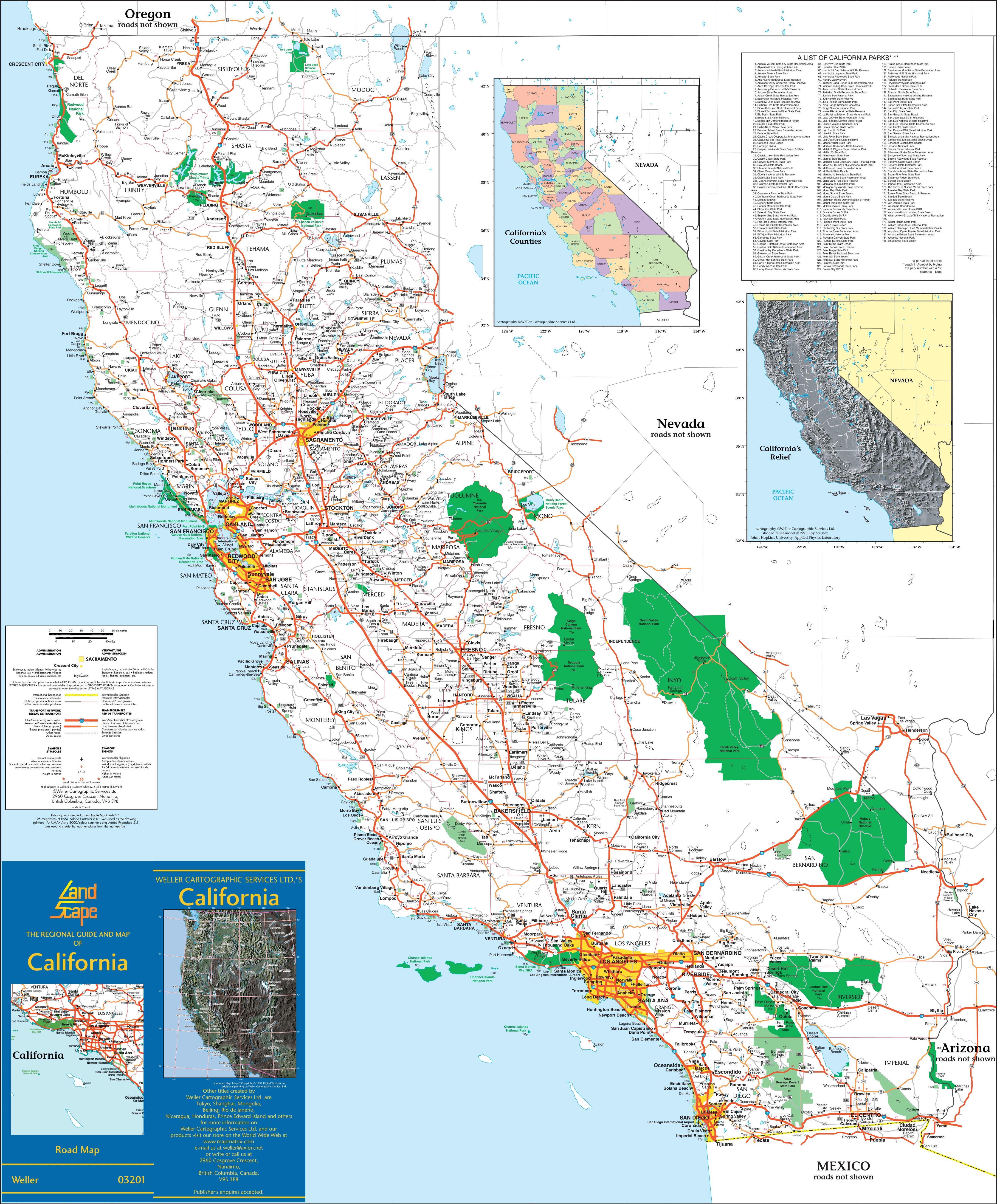
California operates entirely on Pacific Time, a single temporal standard that dictates everything from Silicon Valley server synchronization to Hollywood broadcasting blocks. Yet, this system is far from a simple bureaucratic label. It is the product of 19th-century railroad politics, federal legislative mandates, and an ongoing modern debate over bi-annual clock shifts that affects millions of residents.
California observes Pacific Standard Time (PST, UTC-8) during the winter months and shifts to Pacific Daylight Time (PDT, UTC-7) from March through November under the Uniform Time Act enforced by federal oversight. While the state spans nearly 900 miles from north to south and sits entirely within one zone, the real story lies in how this single slice of time coordinates global commerce, shapes local energy consumption, and influences legislative attempts to abolish clock changes altogether.
The 19th Century Origins of Pacific Time
Before standardized time zones, every California town ran on its own local solar time. High noon in San Francisco happened several minutes later than high noon in Blythe near the Arizona border. This localized approach worked fine during the era of stagecoaches, but the expansion of the transcontinental railroad in the late 1860s made it an operational nightmare. Train collisions and missed connections multiplied because conductors had to constantly recalculate local times across the journey.
Railroad operators took matters into their own hands in 1883, dividing the United States into four distinct standard time zones. Congress didn't officially formalize these zones until the Standard Time Act of 1918, which brought federal oversight to what had previously been an industry-led convenience.
- Standardization Need: Railroad schedules demanded uniform hour blocks instead of minor solar variations between towns.
- Meridian Alignment: Pacific Time was anchored roughly to the 120th meridian west, establishing a clean mathematical offset from Greenwich Mean Time.
- Federal Codification: The 1918 act locked these private railway boundaries into federal law, giving the Interstate Commerce Commission authority over time zone lines.
How Daylight Saving Time Works in California
The bi-annual ritual of changing clocks is governed strictly by federal statute, leaving individual states with very limited room to maneuver. Californians "spring forward" on the second Sunday in March and "fall back" on the first Sunday in November.
This shift alters the state's offset from Coordinated Universal Time, moving from UTC-8 in the winter to UTC-7 in the summer. The primary historical argument for this shift was energy conservation, though modern studies show the actual energy savings are marginal at best. Instead, the change primarily redistributes daylight hours to favor evening recreation during warmer months, at the cost of darker winter commutes for school children and office workers.
Critics point out immediate public health consequences following the spring transition. Emergency rooms regularly record an uptick in minor vehicular accidents and cardiovascular incidents during the first few days after clocks move forward, driven by acute sleep deprivation across the population.
Economic Friction and Global Market Coordination
California's position on Pacific Time places it at a unique intersection for global business. The state's economic engine relies heavily on synchronized coordination across multiple continents, creating a distinct operational rhythm for local enterprises.
When the Los Angeles or San Francisco workday begins at 9:00 AM, the New York stock market has already been open for three hours. More importantly, the close of the California business day overlaps with the early morning hours of Asian markets like Tokyo and Hong Kong. Technology companies, venture capital firms, and logistics hubs must manage these tight windows daily.
- Tech Infrastructure: Data centers in Silicon Valley rely on Coordinated Universal Time (UTC) for backend system logs to prevent synchronization errors, while frontend applications display local Pacific Time to users.
- Media and Broadcasting: Live entertainment broadcasts must calculate simultaneous air times across Eastern, Central, Mountain, and Pacific blocks, often forcing delayed feeds for West Coast viewers.
- Supply Chain Timing: Port operations in Los Angeles and Long Beach coordinate container offloading against global shipping schedules where hours of delay translate to thousands of dollars in demurrage fees.
The Legislative Push to End the Clock Changes
Frustration with the bi-annual time change has fueled active political movements inside the state legislature and across the federal government. California voters overwhelmingly approved Proposition 7 in 2018, giving lawmakers the authority to establish year-round Daylight Saving Time if federal law permitted it.
However, current federal law under the Uniform Time Act allows states to opt out of Daylight Saving Time entirely—placing themselves permanently on Standard Time, as Arizona and Hawaii have done—but it does not permit states to adopt permanent Daylight Saving Time unilaterally.
Transitioning to permanent Pacific Daylight Time requires an act of Congress. While federal lawmakers have introduced measures like the Sunshine Protection Act periodically, comprehensive national consensus has stalled. Without federal changes, California remains locked into the traditional schedule, unable to make a permanent switch on its own without creating severe scheduling conflicts with neighboring western states like Oregon and Nevada.
Geographic Variations Within the Golden State
Though California sits entirely within the Pacific Time Zone, the state's massive geography introduces subtle variations in actual solar timing. Because the earth curves, the sun rises and sets slightly earlier in the easternmost parts of the state than along the Pacific coastline.
Residents living near the Nevada border or in desert communities experience daylight shifts a few minutes ahead of coastal dwellers in terms of actual solar noon. While mechanical clocks read the exact same minute statewide, this natural variance highlights the friction between rigid administrative time zones and the physical geography they attempt to organize.
Frequently Asked Questions
Does all of California stay on the same time year-round?
No. The entire state observes Pacific Standard Time in the winter and switches to Pacific Daylight Time in the summer, moving forward by one hour in March and back in November.
Can California legally choose to stay on Daylight Saving Time permanently?
Not under current federal law. While California voters supported year-round daylight time via ballot measure, federal statute requires an act of Congress to permit permanent Daylight Saving Time for any state.
Why do some states not observe Daylight Saving Time?
Federal law allows states to exempt themselves from Daylight Saving Time and remain on standard time year-round. Hawaii and most of Arizona utilize this exemption, which does not require congressional approval.
How does Pacific Time compare to UTC?
Pacific Standard Time is eight hours behind Coordinated Universal Time (UTC-8), while Pacific Daylight Time is seven hours behind Coordinated Universal Time (UTC-7).



