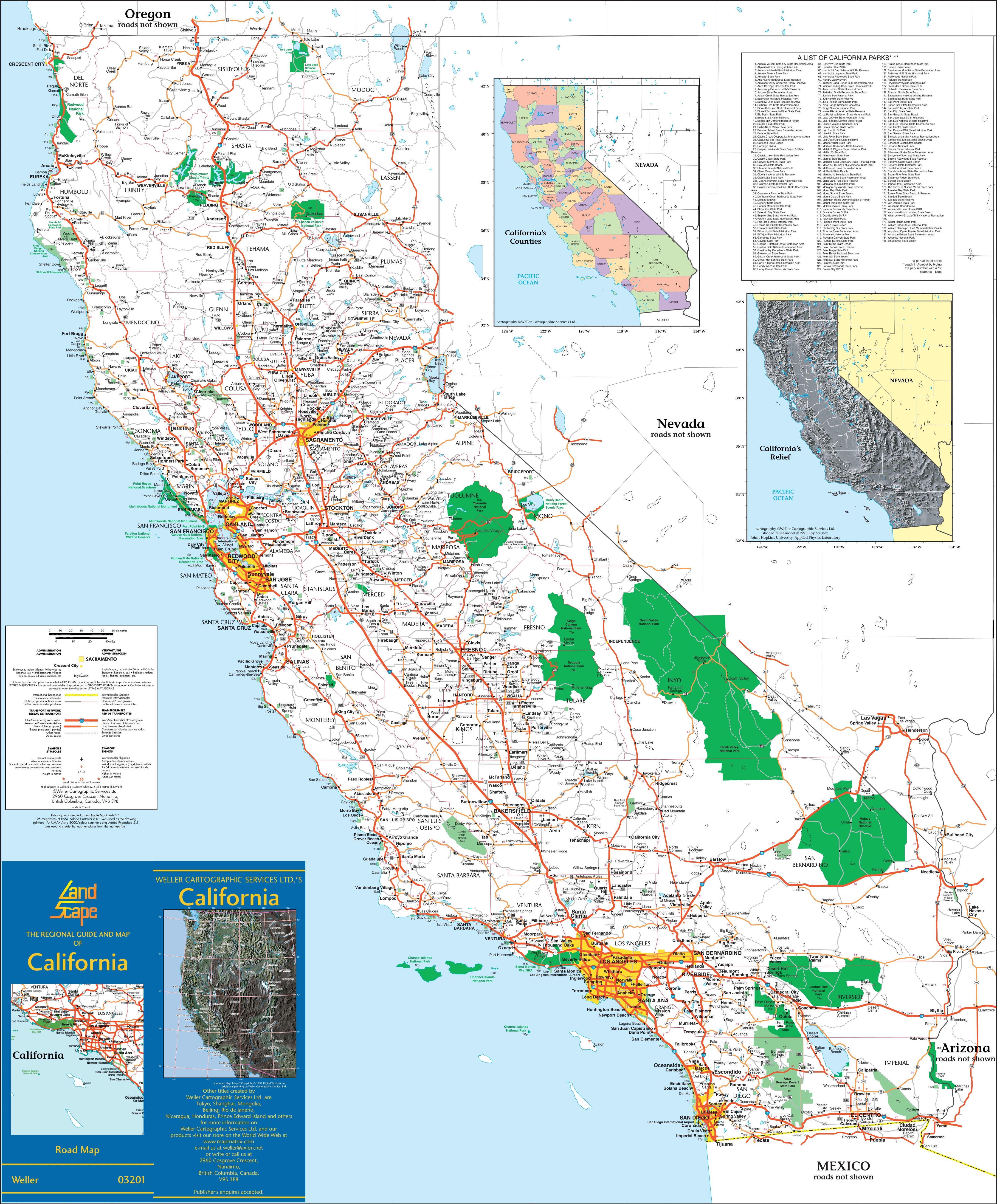
When you're trying to figure out whether California or Arizona has the best time setup, you have to look at how daylight saving time changes the math. California follows the standard Pacific Time Zone and observes Daylight Saving Time (DST), moving clocks forward in spring and backward in autumn. Meanwhile, almost the entire state of Arizona stays on Mountain Standard Time year-round, ignoring the biannual ritual entirely.
This single policy difference creates a shifting schedule between the two neighbors. For half the year, Arizona matches California time; for the other half, Arizona sits one hour ahead. If you're managing cross-border schedules, planning travel, or just hating the confusion of changing your clocks twice a year, understanding this dynamic changes everything. Let's break down how these time zones actually work and which system comes out ahead.
Understanding the Time Zone Mechanics
California operates firmly on Pacific Standard Time (PST) during the winter months, shifting to Pacific Daylight Time (PDT) in the summer. It's a system designed to maximize evening daylight during warmer months.
Arizona took a different path. In 1968, the state opted out of the Uniform Time Act. Because of its intense desert heat, state leaders realized that pushing sunset back an extra hour during scorching summer months would only keep people trapped inside during the hottest part of the day. By refusing to observe DST, Arizona stays on Mountain Standard Time (MST) permanently.
The result is a seasonal shift in the time gap:
- Winter (November to March): Both states observe standard time. California is on PST (UTC-8) and Arizona is on MST (UTC-7). Arizona is one hour ahead of California.
- Summer (March to November): California springs forward to PDT (UTC-7), while Arizona stays put on MST (UTC-7). Both states end up sharing the exact same time.
According to the U.S. Department of Transportation, time zone oversight requires balancing commercial utility with local habits, which explains why exceptions like Arizona's policy exist.
The Case for California: Consistency with the Coast
California's alignment with the rest of the Pacific Time Zone offers major commercial benefits. Major business hubs in Seattle, Portland, San Francisco, and Los Angeles all share identical clocks. If you're working in tech, entertainment, or global trade, keeping standard Pacific time syncs you smoothly with Asian markets and western shipping lanes.
Yet, California's adherence to daylight saving time brings well-documented headaches. Twice a year, residents lose or gain an hour of sleep. Studies routinely link the spring transition to a temporary spike in traffic accidents and workplace errors. You get longer summer evenings, but you pay for it with groggy mornings and disrupted sleep cycles.
The Case for Arizona: No Clock Shifting
Arizona's rejection of daylight saving time wins massive points for simplicity. Clocks never change. You don't wake up disoriented on a Sunday in March wondering why your microwave is an hour off, and you don't lose an hour of precious weekend rest.
For residents, the practical perks are obvious. Business meetings don't require mental math twice a year relative to the local sun. More importantly, avoiding summer DST means the sun sets a bit earlier relative to the clock during blazing July heat, letting evenings cool down faster so people can actually enjoy being outside.
The catch? Arizona's choice creates internal confusion. The Navajo Nation in northeastern Arizona does observe daylight saving time, while the surrounding Hopi Reservation (which is completely surrounded by the Navajo Nation) does not. If you drive across the reservation borders, you might cross multiple time zones in a single afternoon. You can check official maps via the National Archives to see how federal and tribal jurisdictions manage these boundaries.
Comparing Daily Life and Logistics
When evaluating which state has the better time setup, look at how it affects daily routines.
Remote workers juggling national teams often find Arizona's permanent time zone easier to track during the winter, because it matches Mountain Time without ever springing forward. However, in the summer, Arizona matches Pacific Time, which can catch eastern clients off guard if they assume Arizona remains an hour ahead of the coast.
Travelers face the strangest quirks. If you cross the border from California into Arizona during the summer, your watch doesn't change at all. But if you make that same drive in the winter, you instantly jump forward one hour, shortening your trip on paper.
Common Mistakes to Avoid
- Assuming Arizona never changes: Don't forget that the Navajo Nation inside Arizona does use daylight saving time. If you're visiting tribal lands like Monument Valley in the summer, your phone might automatically switch time zones even though Phoenix doesn't.
- Forgetting the seasonal shift: Don't calculate a winter meeting using summer rules. The one-hour difference between the two states only exists from November to March.
- Trusting unverified apps: Always check the local system time on your device when traveling near state borders, as cell towers near state lines frequently bounce signals across time zones.
Frequently Asked Questions
Does Arizona share the same time as California all year?
No. They share the same time during the spring and summer months because California moves forward while Arizona stays still. In the winter, Arizona is one hour ahead of California.
Why did Arizona decide not to change clocks?
The state opted out in 1968 primarily because of its extreme summer heat. Keeping standard time ensures the sun sets earlier by the clock, giving residents cooler evening temperatures.
Do any other states share Arizona's approach?
Yes. Hawaii also ignores daylight saving time, staying on Hawaii Standard Time year-round due to its proximity to the equator where day length varies very little throughout the year.
How does the time change affect flights between California and Arizona?
Flight durations are short, but you must pay attention to the season. In summer, a flight leaving Los Angeles at noon arrives in Phoenix at roughly the same local clock time. In winter, a flight leaving Los Angeles at noon arrives in Phoenix an hour later by local time due to the timezone shift.


