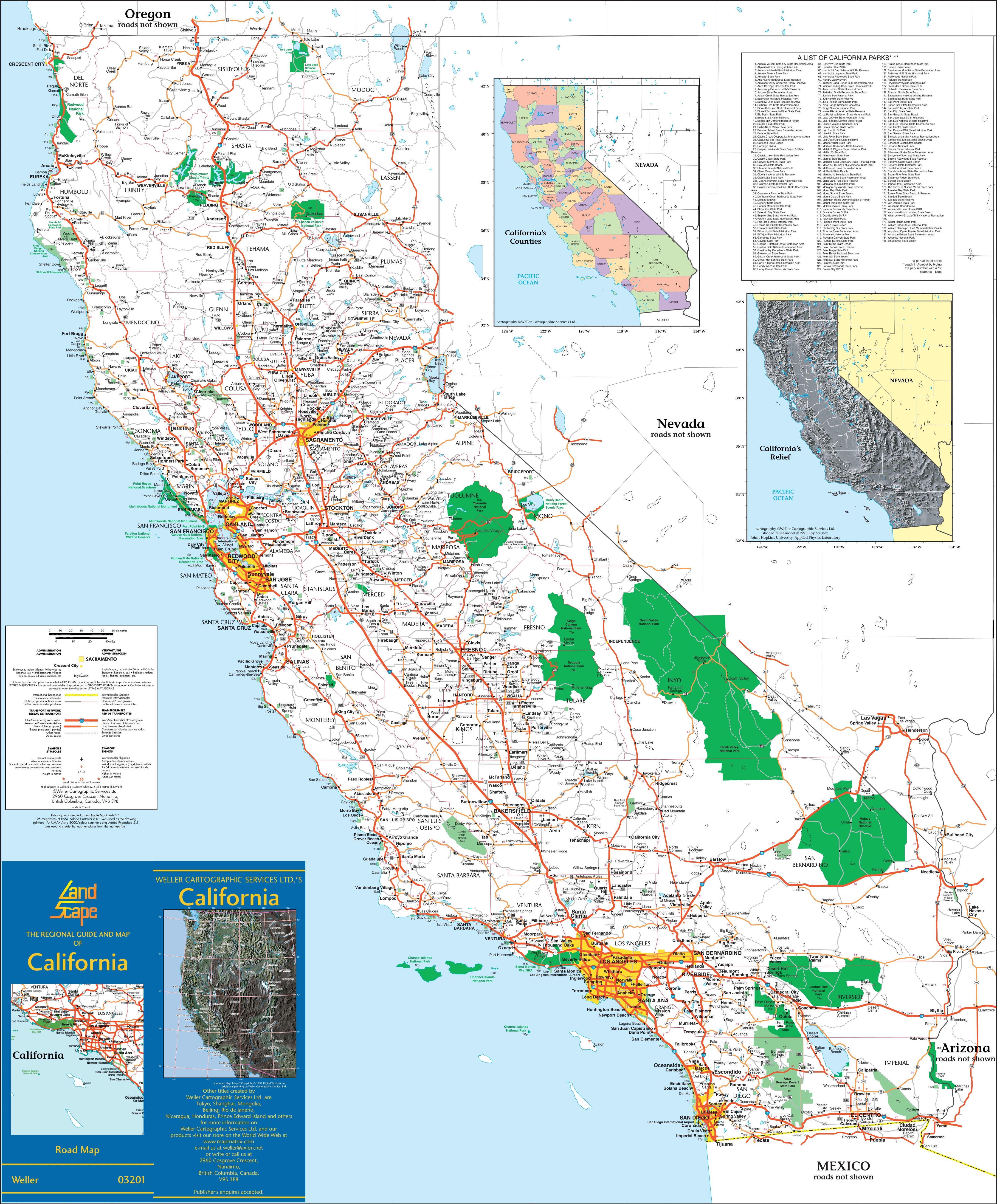
Navigating California requires understanding its distinct daily rhythms, which shift rapidly from misty coastal mornings to bustling metropolitan evenings and sprawling nocturnal landscapes. You'll find that mastering the Golden State's daily timeline isn't just about beating traffic; it's about matching your schedule to the unique pace of coastal hubs, agricultural valleys, and desert expanses.
The primary challenge visitors and newcomers face is underestimating how geography alters time and energy across the state. A morning routine that works in San Francisco won't translate to Los Angeles or Yosemite. By breaking down how each phase of the day operates across different regions, you can skip the friction and experience California like a local.
Early Mornings: Coastal Calm Versus Urban Commutes
The California morning begins well before sunrise, splitting into two entirely different worlds. In major metropolitan zones like Los Angeles and the San Francisco Bay Area, early hours are dominated by gridlock. Commuters pack the I-5 and local transit lines, turning the pre-dawn hours into a high-stakes rush for position.
Step outside the city centers, however, and the morning transforms completely.
- Coastal zones: Marine layers often blanket the beaches until late morning. Locals use this cool, overcast window for trail runs and surfing before the sun burns through.
- Agricultural regions: The Central Valley wakes up with field laborers and farmers. Temperatures remain crisp, offering the best conditions for outdoor work and farm-to-table harvesting.
- Mountain and desert areas: High-altitude spots like Lake Tahoe or Joshua Tree experience brisk, clear dawns with minimal humidity, ideal for early hikers.
If you're planning outdoor excursions, start at first light. Parking lots at popular trailheads fill up fast, and coastal marine layers usually clear out by midday, leaving you with brilliant blue skies.
Afternoon Transitions: Beating the Heat and Gridlock
As the sun climbs high, California's famous intense light takes over. Afternoon hours require careful navigation, especially during peak commute and tourist windows.
Urban centers experience a mid-day operational shift. Business districts hum with activity while outdoor dining patios fill up. Yet, traffic congestion doesn't truly sleep in major metros; it merely pauses before transforming into the evening rush hour.
To manage your afternoon efficiently, keep these practical rules in mind:
- Avoid driving across major metro bridges or freeway interchanges between 4:00 PM and 7:00 PM.
- Seek shade or indoor activities during peak UV hours (12:00 PM to 3:00 PM), particularly in inland valleys where temperatures regularly exceed 90°F.
- Check local air quality indexes if you're visiting during wildfire season, as afternoon winds can shift smoke patterns quickly.
Evenings: Golden Hour and Cultural Shifts
The evening hours define California's cultural identity. As the sun drops toward the Pacific, the state's famous golden hour paints coastlines and downtown skyscrapers in amber light.
Unlike regions that shut down after traditional business hours, California's coastal cities thrive well into the evening. Entertainment industries, tech campuses, and creative agencies often run on schedules that prioritize late meetings and post-work social gatherings.
- Dining culture: Dinner service frequently starts later than in other parts of the country, with peak reservations clustered around 8:00 PM.
- Outdoor recreation: Sunset yoga sessions on Santa Monica beaches and evening strolls along the Embarcadero in San Francisco are local staples.
- Pacing: Don't rush your evening transitions. Traffic congestion often lingers until 7:30 PM, making it smarter to stay put, enjoy a neighborhood coffee shop, and let the roads clear.
Nights: Urban Energy Versus Rural Quiet
Nighttime in California presents a sharp dichotomy. In the cities, nightlife spans everything from casual taco trucks open past midnight to rooftop lounges overlooking downtown skylines.
Yet, travel just a short distance away, and the urban noise vanishes entirely. Rural areas and desert regions offer some of the darkest night skies in the country. Stargazing in Death Valley or the Mojave Desert reveals an unobstructed view of the Milky Way, contrasting sharply with the neon glow of Los Angeles or San Francisco.
Frequently Asked Questions
What is the best time of day to drive across Los Angeles? The window between 10:00 AM and 2:00 PM offers the lightest traffic density. Avoid the roads entirely from 7:00 AM to 9:30 AM and 4:00 PM to 7:00 PM.
Does the marine layer happen year-round? It peaks during late spring and early summer—often referred to locally as "May Gray" and "June Gloom." Coastal fog is much less common in autumn.
How do I find dark sky viewing areas away from city lights? Head inland toward designated dark sky reserves or state parks like Anza-Borrego Desert State Park, which sit far away from major light pollution corridors.
Is it safe to hike in California canyons after dark? Generally, no. State and national parks close trails at sunset due to risks from uneven terrain, limited cell service, and active wildlife such as coyotes and mountain lions. Stick to well-lit urban walkways for night strolls.


