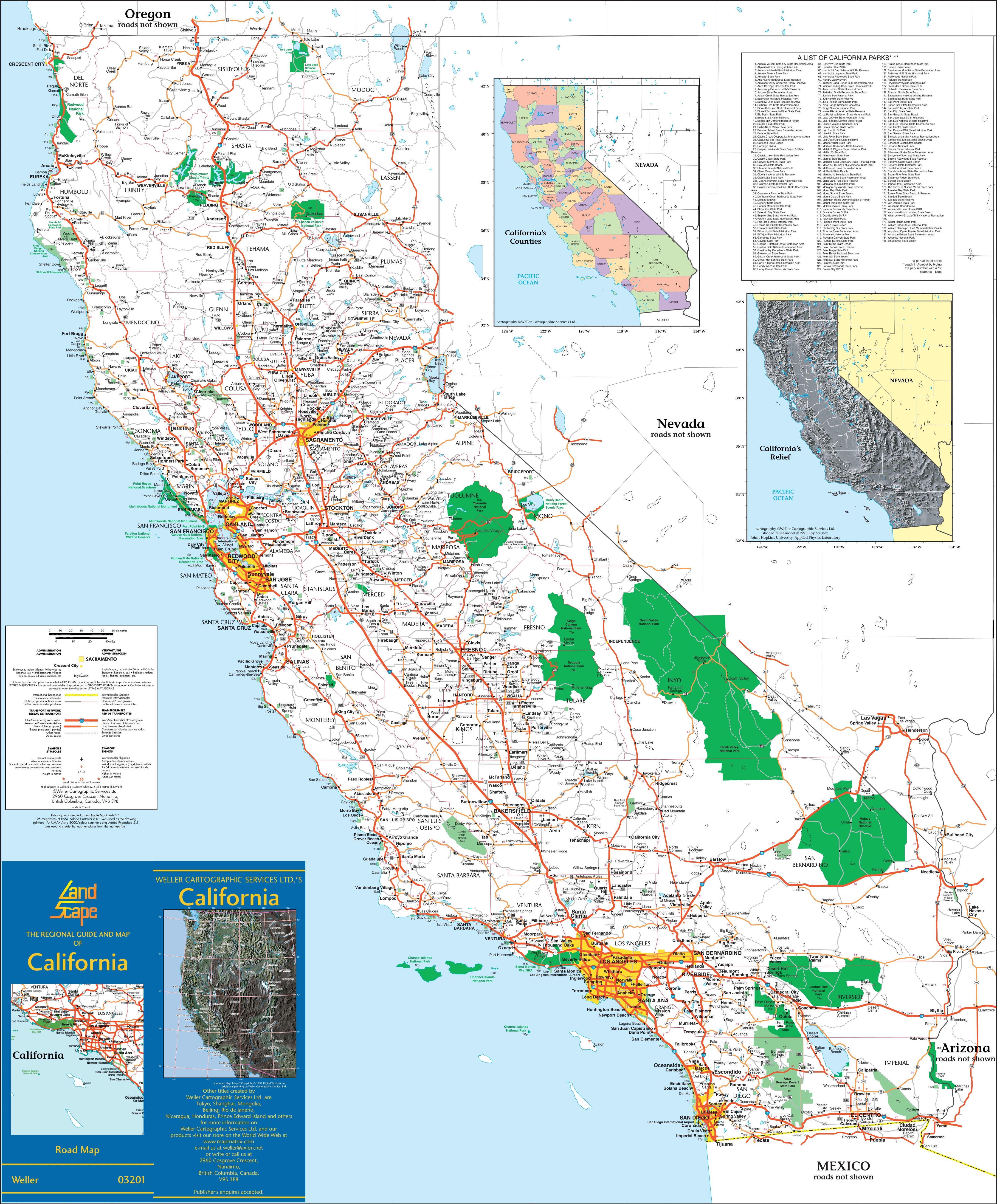
The California Current moves south along the western coast of North America, carrying cold subarctic waters from British Columbia down toward Baja California. Far from being a simple ocean river, this broad surface current drives one of the most biologically productive marine regions on Earth. Without its continuous circulation and the physical processes it triggers, the coastal waters of the U.S. West Coast would look vastly different—lacking the massive fisheries, dense kelp forests, and diverse marine mammal populations that define the region.
Understanding how this current functions requires looking beneath the surface waves to examine coastal upwelling, nutrient delivery, and the intricate marine food web. The system operates on physical dynamics that pull deep, cold, nutrient-laden water up to the sunlit surface layers, feeding microscopic plankton that form the base of an expansive ecological pyramid.
The Mechanics of Coastal Upwelling
The primary engine behind the biological richness of the West Coast is coastal upwelling. As northerly winds blow consistently along the coast during spring and summer, the Earth's rotation—known as the Coriolis effect—pushes surface water offshore. Deeper, heavier water rises from the ocean depths to replace it.
This deep water is naturally cold, acidic, and oxygen-poor, but it carries a heavy load of dissolved nutrients like nitrates, phosphates, and silicic acid. When these elements reach the sunlit upper layer, known as the photic zone, they trigger massive blooms of microscopic phytoplankton. To get more details on this development, comprehensive coverage is available at The New York Times.
- Wind forcing: Strong, sustained coastal winds drive offshore surface water transport.
- Deep replacement: Water from depths of several hundred meters rises to fill the void.
- Nutrient injection: Nitrates and phosphates flood the sunlit zone, sparking rapid cellular growth.
- Phytoplankton explosion: Single-celled algae multiply exponentially, turning coastal waters green and turbid.
This seasonal pulse dictates the biological calendar of the Pacific. When upwelling is weak or delayed, the entire food chain suffers from a deficit of food, showing how closely tied the upper trophic levels are to physical wind patterns.
Feeding the West Coast Marine Food Web
Phytoplankton growth supports microscopic zooplankton, primarily tiny crustaceans called copepods and euphausiids, commonly known as krill. These organisms multiply rapidly, providing essential sustenance for larger predators.
Sardines, anchovies, and market squid feed directly on the zooplankton swarms. These forage fish represent a critical link in the ecosystem, transferring energy from the bottom of the food web to apex predators. Commercial fisheries target many of these species, tying local coastal economies directly to the physical health of the current system.
Larger marine predators depend heavily on these dense forage fish populations:
- Marine mammals: Humpback whales, blue whales, sea lions, and fur seals time their migrations to coincide with peak summer feeding grounds.
- Seabirds: Common murres, rhinoceros auklets, and tufted puffins rely on accessible schools of small fish to feed their chicks during nesting seasons.
- Apex fish: Salmon, tuna, and sharks patrol the current lanes, utilizing the rich feeding grounds to grow and spawn.
Climate Variability and Ecosystem Shifts
The California Current does not flow in a vacuum; it responds to large-scale climate oscillations that alter water temperatures and upwelling intensity from year to year. Events such as El Niño and La Niña modify the strength of the current, while longer cycles like the Pacific Decadal Oscillation shift baseline conditions across decades.
During warm-water phases, upwelling weakens, nutrient delivery drops, and warm-water species migrate northward. Conversely, cool phases intensify upwelling, boosting productivity. Fisheries management agencies monitor these shifts closely through programs like the NOAA Fisheries West Coast Region to adjust quotas and protect vulnerable species from overexploitation.
Conservation Challenges in a Changing Ocean
Human pressures and long-term climate trends threaten the stability of the California Current ecosystem. Warming ocean temperatures alter the timing and intensity of upwelling cycles, causing mismatches between when food is produced and when predators need it to feed their young.
Additionally, ocean acidification—driven by absorbed carbon dioxide—interacts with naturally acidic upwelling waters, making it difficult for shelled organisms like pteropods and commercially harvested crabs to build and maintain their exoskeletons.
Protecting this marine corridor requires dynamic management approaches. Traditional static marine reserves are adapting to encompass shifting migratory pathways and variable oceanographic conditions. Agencies and researchers utilize integrated assessments to track ecosystem health year by year, balancing commercial fishing demands with the preservation of a fragile ecological lifeline.
Frequently Asked Questions
How long is the California Current?
The California Current spans roughly 2,000 miles along the North American western coastline, stretching from southern British Columbia down to Baja California in Mexico.
Why is the water in the California Current so cold?
The water feels cold because the current originates in higher northern latitudes and is continuously reinforced by coastal upwelling, which pulls deep, frigid water up from depths of several hundred meters.
How does the current affect coastal weather?
As warm air passes over the cold waters of the California Current, moisture condenses into thick coastal fog and low cloud cover, which shapes the mild Mediterranean climate characteristic of the West Coast.
What is the difference between the California Current and the California Undercurrent?
While the California Current flows southward at the surface, the California Undercurrent flows northward at depths greater than 650 feet, carrying warm, highly saline water poleward along the continental slope.


