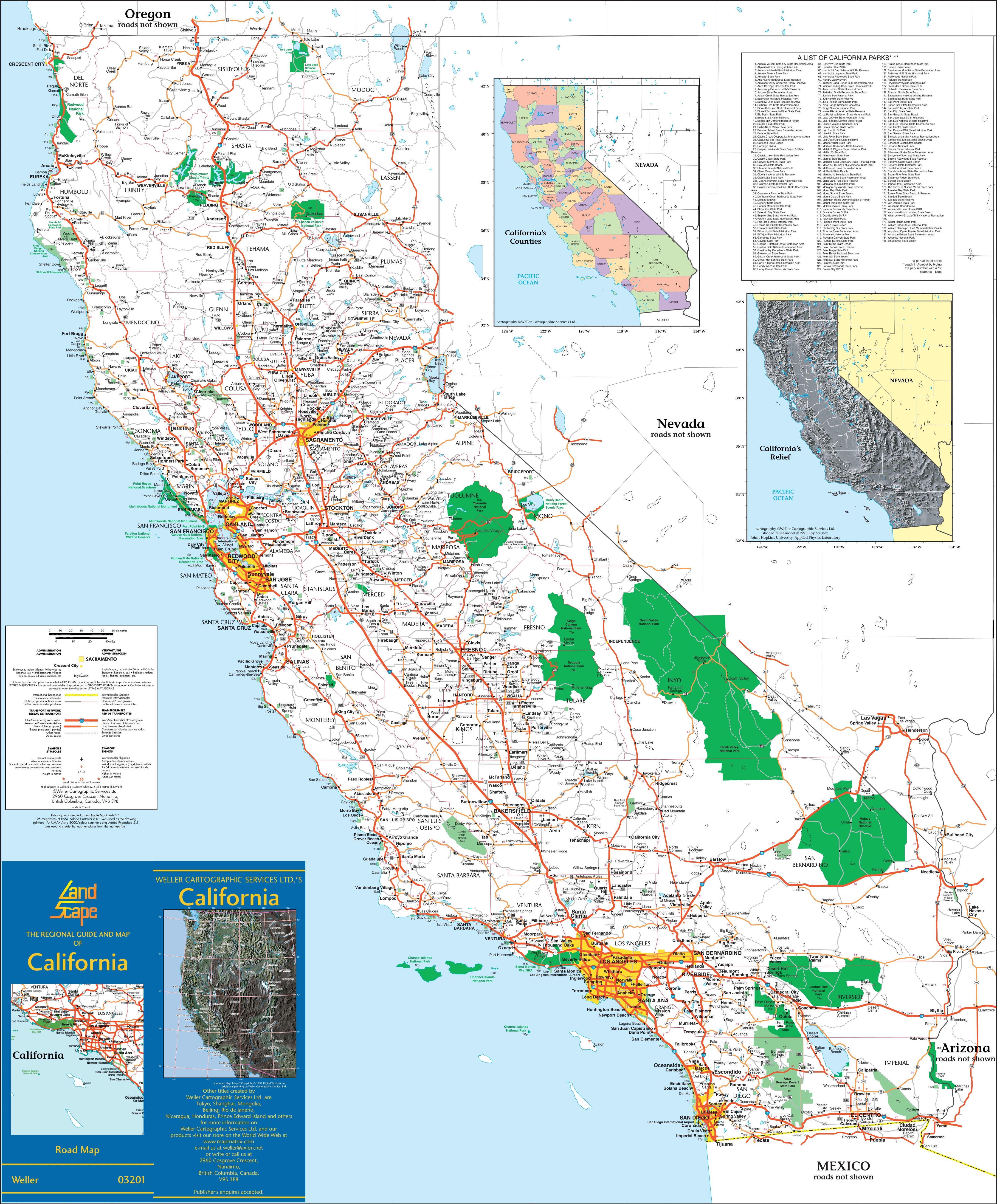
Managing cross-border schedules between the West Coast of the United States and Southeast Asia requires navigating a significant offset. The California and Philippines time difference spans either 15 or 16 hours, depending entirely on the time of year. Manila sits ahead of California, meaning when it's Monday morning in Los Angeles, it's already Monday night or Tuesday early morning in Manila. Understanding this gap helps remote teams, outsourced operations, and families stay connected without burning out.
California observes Daylight Saving Time (DST), shifting its clocks forward and backward by one hour. Meanwhile, the Philippines stays on Philippine Standard Time (PST or PHT) year-round without observing daylight changes. Because of this mismatch, the time gap shifts between 15 hours during California's daylight saving months and 16 hours during standard time months. Knowing how to calculate these shifts prevents missed meetings and keeps projects moving forward.
Mechanics of the 15 and 16-Hour Offset
The exact gap between California and the Philippines fluctuates twice a year because of US daylight saving policies.
During the spring and summer months—specifically from the second Sunday in March to the first Sunday in November—California operates on Pacific Daylight Time (PDT, UTC-7). During this period, the Philippines (UTC+8) is exactly 15 hours ahead of California. If you check your clock in San Francisco at 9:00 AM on a June morning, it's already midnight in Manila.
During the fall and winter months—from the first Sunday in November to the second Sunday in March—California switches to Pacific Standard Time (PST, UTC-8). Because the Philippines remains on UTC+8, the gap widens to 16 hours. At 9:00 AM in Los Angeles in December, it's 1:00 AM the next day in Manila.
Why Daylight Saving Creates Confusion
Most scheduling errors happen right around the transition weeks in March and November. If you set a recurring calendar event in October, it might shift awkwardly when California falls back or springs forward if your calendar software doesn't account for the regional differences. The Philippines doesn't adjust clocks, so any change originates entirely from the American side.
- Summer Offset: Philippines is 15 hours ahead (PDT vs. PHT).
- Winter Offset: Philippines is 16 hours ahead (PST vs. PHT).
- Fixed Region: Philippines remains on UTC+8 all year.
Finding the Daily Overlap Window
Collaboration across a 16-hour gap is tough, but it's far from impossible. Finding a shared working window means looking at the edges of the workday for both regions.
A standard 9:00 AM to 5:00 PM shift in California translates to the middle of the night in the Philippines. Specifically, 9:00 AM in Los Angeles is 1:00 AM the next day in Manila during standard time. If you want a live conversation during normal business hours, you have to look at early mornings or late evenings.
Optimal Meeting Windows
To connect without forcing team members to work through the dead of night, you have two primary daily overlap windows:
- Late Afternoon in California: A 5:00 PM to 7:00 PM call in Los Angeles lands at 9:00 AM to 11:00 AM the next day in Manila. This window works well for California workers wrapping up their day and Philippine professionals starting their morning fresh.
- Early Morning in California: A 7:00 PM to 9:00 PM call in California matches 11:00 AM to 1:00 PM in the Philippines. This suits flexible teams or managers who don't mind taking an evening call from home.
If you schedule meetings outside these narrow bands, someone has to log on outside standard working hours. Many outsourcing firms in Manila staff night shifts specifically to match West Coast hours, but sustainable long-term partnerships rely on clear asynchronous workflows instead of round-the-clock live syncs.
Strategies for Managing Remote Teams Across the Gap
Living and working across a 16-hour divide forces a shift away from real-time communication. When you can't rely on immediate chat replies, your operational habits have to adapt.
Shift Toward Asynchronous Communication
Real-time pinging destroys productivity when teams are half a world apart. If a California manager sends a question at 4:00 PM, the Philippine team member won't see it until the next morning. If that team member replies at 10:00 AM local time, the California manager is fast asleep.
To break this ping-pong delay, write comprehensive messages the first time. Instead of asking "Hey, do you have a minute?", send the full context, required assets, and a clear deadline. Tools like Asana or Basecamp help track task ownership so work progresses while the other side of the team sleeps.
Documentation as a Replacement for Meetings
Meetings become expensive when they require someone to wake up at midnight. Cut down live syncs by maintaining centralized project docs. Record Loom videos to walk through code updates or design changes instead of scheduling a live Zoom call. Clear documentation allows teams to operate independently for 24-hour cycles.
Common Mistakes in Cross-Border Scheduling
Even experienced project managers fall into predictable traps when coordinating schedules between North America and Southeast Asia.
- Ignoring the Date Line Change: Remember that Manila is a full calendar day ahead. If you schedule a deadline for "Friday at 9:00 AM Manila time," it actually falls on Thursday evening in California. Getting the date wrong leads to missed client deliverables.
- Hardcoding Times in Calendars: Always invite colleagues using timezone-aware calendar tools like Google Calendar. Hardcoding times into email invites without specifying the zone leads to total confusion when daylight saving ends.
- Assuming Standard Business Hours Align: Expecting an instant Slack response from a Manila-based contractor at 2:00 PM California time is unrealistic, as it's 6:00 AM the next day there. Respect local rest hours to prevent burnout and high turnover.
Frequently Asked Questions
What is the time difference between California and the Philippines right now?
The offset is either 15 or 16 hours. From November to March, California is 16 hours behind the Philippines. From March to November, during daylight saving time, the gap shrinks to 15 hours.
Does the Philippines observe Daylight Saving Time?
No, the Philippines stays on Philippine Standard Time (UTC+8) throughout the entire year. All seasonal time changes happen exclusively on the US side.
What is the best time of day to schedule a phone call between Los Angeles and Manila?
The best window is late afternoon in California (around 5:00 PM to 7:00 PM), which matches the following morning in Manila (9:00 AM to 11:00 AM). This allows both sides to connect during or right next to standard working hours.
How do you handle urgent issues across a 16-hour gap?
Establish an escalation protocol for critical emergencies. Designate an on-call rotation with shift overlap allowances, or use specialized messaging apps with push alerts configured specifically for high-priority emergency tags.



