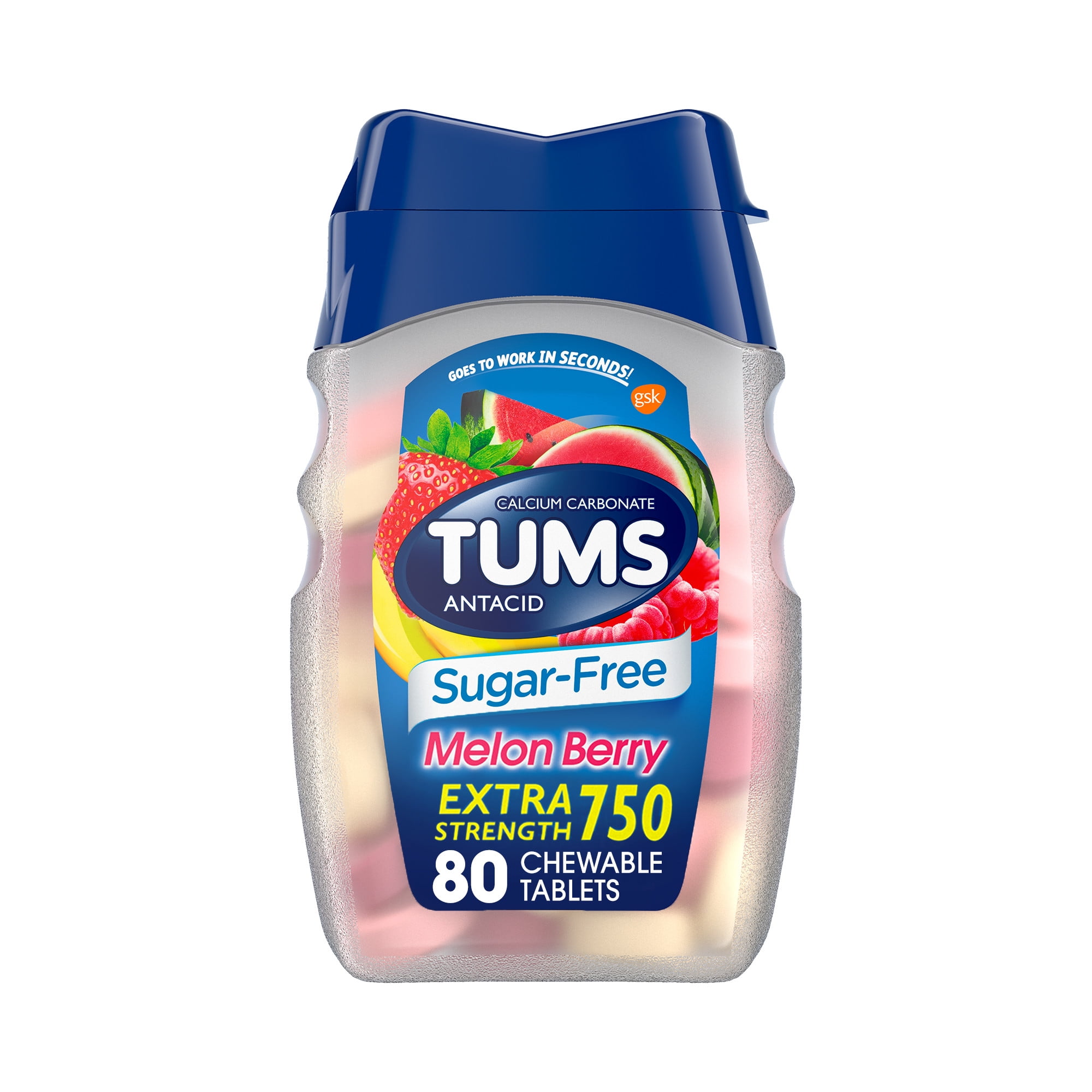
Mixing antacids with alcoholic beverages is common after a heavy meal or a night out, but it carries medical considerations that many drinkers overlook. When people experience acid reflux or heartburn while drinking, reaching for over-the-counter relief seems harmless. However, combining calcium carbonate with alcohol affects your digestive system and overall well-being in specific ways.
How Calcium Carbonate Interacts With Alcohol
Calcium carbonate is an active ingredient in popular antacids designed to neutralize stomach acid quickly. When you consume alcohol, your stomach lining produces more acid than usual, which often triggers painful heartburn or indigestion. Taking an antacid provides temporary relief by raising the pH level in your stomach.
Despite providing fast comfort, the combination doesn't stop alcohol from irritating your gastrointestinal tract. In fact, alcohol slows down stomach emptying and increases acid production. When you neutralize that acid with calcium carbonate, your stomach may respond by producing even more acid later—a phenomenon known as acid rebound. This can leave you feeling worse a few hours after taking the dose.
Furthermore, both substances can cause digestive distress on their own. Mixing them in high amounts frequently leads to mild side effects such as:
- Bloating and gas from carbon dioxide release
- Constipation, a common side effect of calcium supplements
- Nausea or stomach cramps if taken on an overly irritated stomach
Can You Take Antacids While Drinking?
For most healthy adults, taking a standard, recommended dose of an antacid while having an occasional drink is generally safe, provided you follow the package directions. It won't cause an immediate toxic reaction or severe medical emergency.
However, timing matters significantly. Taking calcium carbonate while you have a high concentration of alcohol in your system can mask symptoms of more serious gastrointestinal irritation, such as gastritis or ulcers. If you rely on antacids every time you drink to mask chronic burning sensations, you might be ignoring an underlying medical issue that requires professional evaluation.
People with specific health profiles need to exercise caution. If you have a history of kidney stones, kidney disease, or hypercalcemia, consult your healthcare provider before combining calcium-based antacids with substances that affect fluid balance and electrolyte levels, such as alcohol. You can review safety guidelines on the MedlinePlus portal for more details on mineral supplements.
Common Mistakes to Avoid
When managing post-drinking discomfort, people often make errors that compromise their safety or reduce the effectiveness of their medication. Avoiding these missteps helps protect your digestive health:
- Overdosing for fast relief: Taking multiple doses back-to-back because the burning sensation returns only increases the risk of side effects like severe constipation and acid rebound.
- Ignoring chronic symptoms: Using antacids as a routine fix for alcohol-induced heartburn every weekend masks persistent damage to your esophageal lining.
- Mixing with other medications: Alcohol and calcium carbonate can both affect how your body processes other drugs, including certain antibiotics and heart medications. Check with a pharmacist before combining them with prescription regimens.
- Neglecting hydration: Alcohol dehydrates the body, and calcium carbonate can worsen constipation if you don't drink enough plain water alongside your doses.
Smarter Ways to Manage Alcohol-Induced Heartburn
If you frequently experience discomfort after consuming alcohol, modifying your habits offers a more sustainable solution than relying on antacids. Consider these practical steps:
- Eat a balanced meal before drinking to slow down alcohol absorption and buffer your stomach lining.
- Choose beverages with lower congeners and acidity, as dark liquors and heavy wines tend to trigger worse acid reflux than clear spirits or light beers.
- Sip water between alcoholic drinks to stay hydrated and dilute stomach acid naturally.
- Give your body time to recover without relying on pharmaceutical quick fixes every time you overindulge.
To learn more about safe medication practices and dietary supplements, visit the U.S. Food and Drug Administration guidelines.
Frequently Asked Questions
Does calcium carbonate sober you up?
No, calcium carbonate has zero impact on your blood alcohol concentration or the rate at which your liver metabolizes alcohol. It only neutralizes stomach acid.
Can I take calcium carbonate the morning after drinking?
Yes, taking a standard dose the next morning for residual sour stomach or indigestion is generally safe, provided you follow package labeling and stay well-hydrated.
Does milk or dairy act the same way as calcium antacids?
While dairy contains calcium, milk can temporarily buffer acid before triggering a rebound surge in stomach acid production, much like calcium carbonate. It is not a reliable treatment for severe reflux.
When should I see a doctor for heartburn related to alcohol?
If you experience frequent heartburn more than twice a week, difficulty swallowing, or severe upper abdominal pain, schedule an appointment with a physician to rule out gastroesophageal reflux disease (GERD) or ulcers.



