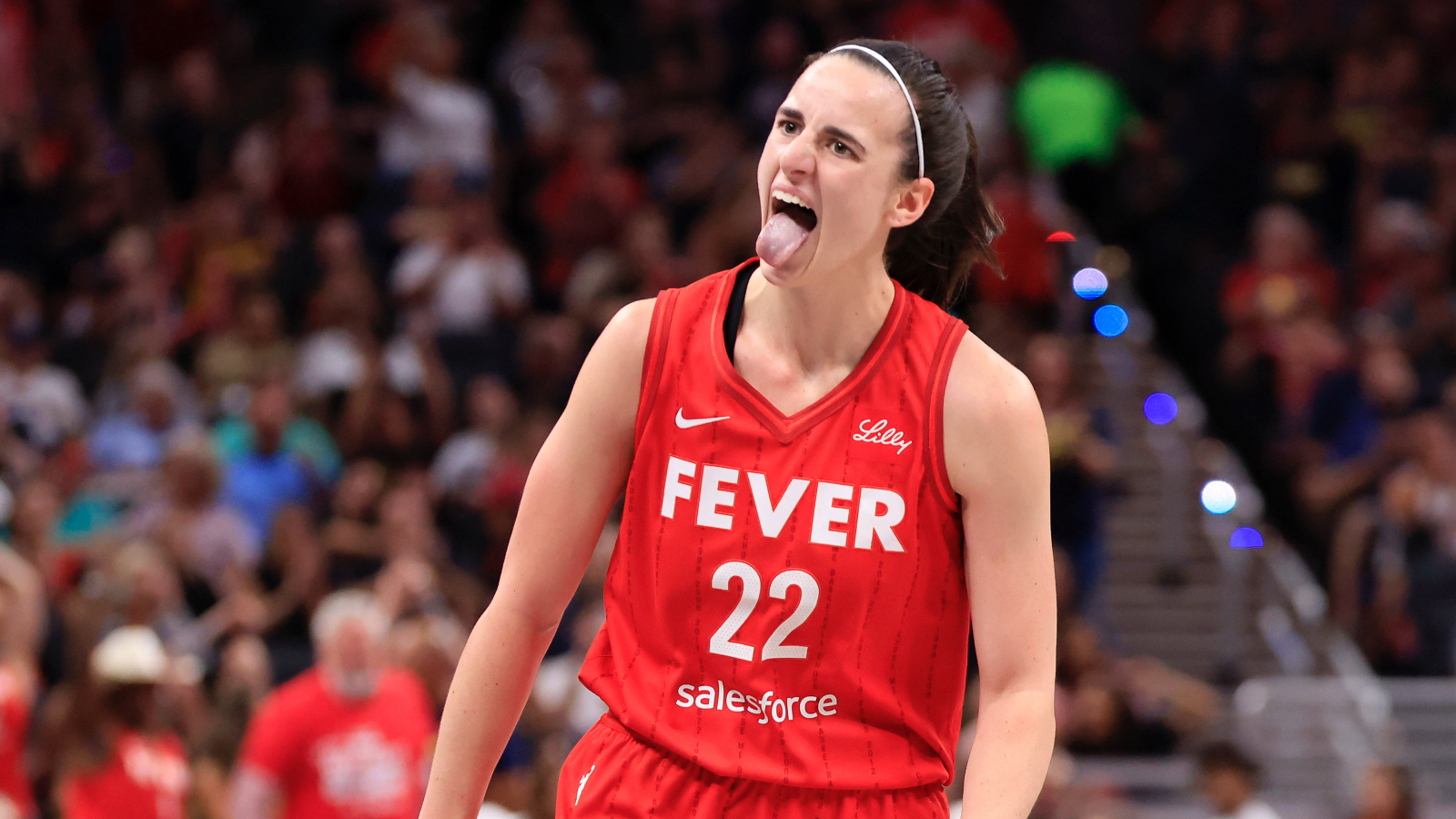
When fans talk about Caitlin Clark, they usually focus on her logo three-pointers, no-look passes, and record-breaking court vision. Yet, sustaining dominance in the professional ranks demands more than shooting touch. Her physical profile, listed at 6 feet 0 inches and approximately 157 pounds, forms the foundation of how she absorbs contact, navigates high-intensity screens, and commands the floor for the Indiana Fever. Understanding her build reveals how modern guards survive and thrive against elite-level defensive pressure.
Professional basketball requires a rare mix of endurance, functional strength, and low center-of-gravity balance. As defenses adapt with aggressive physicality, players must evolve physically to maintain their production. This profile examines how Clark's physical stature, functional strength gains, and on-court conditioning fuel her playstyle.
The Physical Blueprint: Height and Weight Specs
Official league listings place Clark at 6-0 and 157 lbs. In the context of WNBA point guards, this puts her on the taller end of the position, giving her a vital sightline advantage when scanning defenses from the top of the key.
- Height (6'0"): Allows her to pass over smaller defenders and contest perimeter shots effectively.
- Weight (157 lbs): Balanced for agile lateral movement, quick change-of-direction bursts, and high-volume running over 35-minute games.
- Wingspan: Measured right around her height, supporting her ability to wrap passes around defenders and poke away steals in passing lanes.
Standing at six feet tall means she isn't easily bullied by smaller guards trying to disrupt her rhythm with ball-pressure. At the same time, maintaining a lean 157 pounds lets her preserve the explosive acceleration necessary to create separation off the dribble.
Evolving Physicality and Functional Strength
Transitioning from the collegiate game to the WNBA brings an immediate jump in defensive physicality. Opponents routinely test rookies and stars with physical ball-pressure, physical ball-denial, and hard screens. Observers and coaching staff have noted a noticeable shift in her functional strength and muscle mass since her rookie campaign.
Working with professional performance staff, players target specific athletic adaptations:
- Lower Center of Gravity: Strengthening core and lower-body stability helps absorb hits without losing balance on drives.
- Contact Balance: Core conditioning allows her to finish through contact in the paint or draw fouls against interior shot-blockers.
- Durability: High-resistance training regimens protect joints and ligaments against the wear and tear of a grueling regular season and playoff schedule.
Instead of avoiding contact, physical development enables players to initiate it or hold their ground when fighting through high ball screens. This maturation changes how opponents defend her, as physical hacks no longer knock her off her preferred spots as easily.
Conditioning and Stamina Demands
Weighing 157 pounds while logging heavy minutes requires elite cardiovascular endurance. Point guards carry the burden of initiating the offense, calling sets, and running the floor in transition.
- High Work Rate: She routinely ranks near the top of her team in distance covered per game, constantly moving without the ball to exhaust defenders.
- Recovery Speed: Quick-twitch muscle fibers trained through specific conditioning protocols help maintain shooting mechanics late in the fourth quarter.
- Pacing: Managing energy expenditure across tight game schedules prevents fatigue-induced shooting slumps.
Maintaining this balance between maintaining playing weight and building functional muscle is a delicate year-round task for professional athletes.
Frequently Asked Questions
How tall is Caitlin Clark?
She is listed at 6 feet 0 inches (183 cm) tall.
What is Caitlin Clark's playing weight?
She is listed at approximately 157 pounds (71 kg).
What position does Caitlin Clark play?
She plays primarily as a point guard for the Indiana Fever.
How has her physical preparation changed in the WNBA?
She has focused on functional strength training, core stability, and lower-body resilience to handle increased defensive physicality and contact from opponents.



