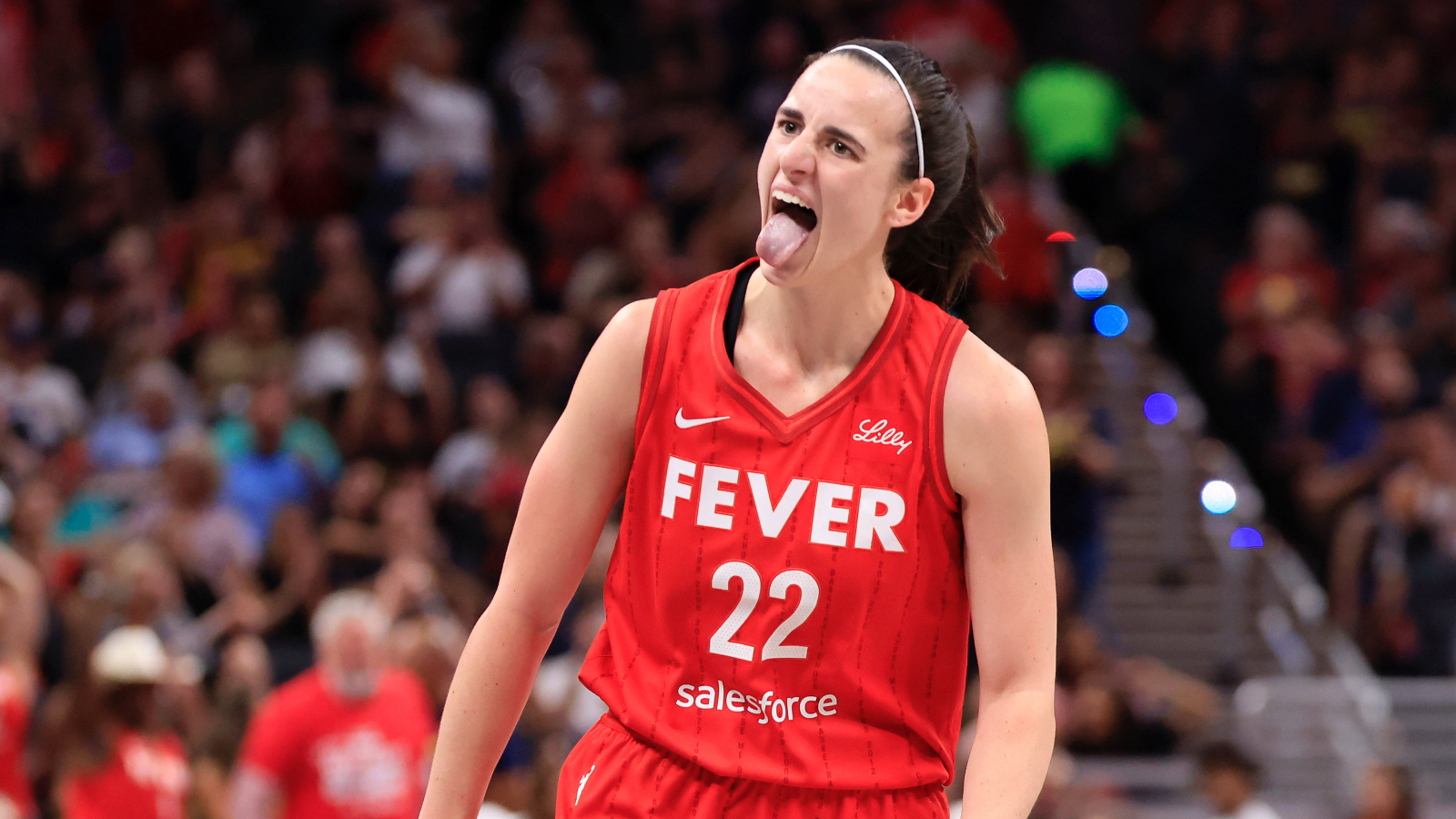
When Caitlin Clark stepped onto the professional hardwood for her regular-season debut with the Indiana Fever, the sports world held its collective breath. The transition from college dominator at Iowa to the physical, hyper-athletic pace of the WNBA brought massive expectations, record-breaking television ratings, and intense scrutiny from day one. Fans packed arenas nationwide not just to witness her signature long-range shooting, but to see how the franchise's coaching staff would integrate a generational playmaker into an evolving roster.
The early stretch of her rookie campaign proved that adaptation requires patience, tactical adjustments, and grit. While opposing defenses immediately schemed to trap, double-team, and deny her space, Clark's court vision and passing intelligence forced opponents to respect the entire floor. Working alongside the coaching staff, she began untangling aggressive defensive coverages while learning the nuances of professional pace and spacing.
The Reality of the Rookie Transition
Stepping into the WNBA as the number one overall draft pick means walking into an immediate crosshairs. Veteran defenders don't offer rookies any warm welcomes. In her opening games, Clark faced face-guards, physical ball-pressure, and defensive schemes specifically designed to test her stamina and decision-making under duress.
- Physicality adjustment: Defenders utilized their length and body positioning to disrupt her rhythm on the perimeter.
- Turnover challenges: High-usage playmakers often experience early turnover spikes while learning how fast professional passing windows close.
- Defensive targeting: Opponents frequently hunted her on the defensive end, forcing her to expend energy guarding elite perimeter scorers.
Despite these hurdles, her instinct for finding open teammates remained elite. When scouting reports focused solely on stopping her pull-up three-pointers, she punished teams by dropping pinpoint bounce passes and cross-court dimes to rolling post players.
Coaching Strategies and Tactical Integration
Integrating a high-volume offensive engine requires careful tactical orchestration. The Indiana Fever coaching staff had to balance letting Clark play to her natural instincts with protecting her from suffocating defensive traps.
Coaches adjusted offensive sets by utilizing more staggered screens, empty-side pick-and-rolls, and quick hand-offs to free her from initial ball pressure. Instead of asking her to create entirely off isolation, the system leaned into ball movement that rewarded her exceptional gravity. When defenses collapsed two players onto her at the logo, she quickly sprayed the ball to open shooters on the wings, fundamentally altering how opponents had to defend the perimeter.
Navigating Early Growing Pains
Every rookie phenom goes through a stabilization phase. Analysts frequently pointed to shooting percentages or turnover tallies, ignoring the sheer defensive attention she commanded.
- Patience with spacing: Teammates had to learn how quickly Clark anticipates cuts, often throwing passes before a receiver even makes their break.
- Managing fatigue: Playing heavy minutes against elite athletes night in and night out demands a steep conditioning curve.
- Refining shot selection: Learning the exact distance and timing required to get clean looks off WNBA screens took weeks of live-game reps.
Cultural Impact Beyond the Box Score
You can't discuss Clark's debut era without acknowledging the seismic shift in league visibility. Arena attendance figures soared, road games turned into home-court environments due to traveling fans, and broadcast viewership reached unprecedented heights. Young girls filled the stands wearing custom jerseys and holding signs, transforming regular-season matchups into national cultural events.
This visibility extended into grassroots engagement. Whether surprising local youth basketball teams or interacting with fans long after final buzzers sounded, her presence generated a massive influx of interest in women's professional sports. The ripple effect benefited the entire league, elevating charter travel conversations, media rights values, and sponsorship investments.
Frequently Asked Questions
How did Caitlin Clark perform in her initial professional games?
She faced immediate defensive adjustments and physical play, experiencing high turnover games and shooting slumps early on, but quickly adapted by leveraging her elite passing and floor-spacing abilities to anchor the offense.
What adjustments did the coaching staff make for her?
The Fever incorporated more pick-and-roll actions, staggered screens, and off-ball movement to help her escape aggressive double-teams and create cleaner shooting windows.
Why is defending Caitlin Clark uniquely difficult?
Her unlimited shooting range means defenders must pick her up well past the three-point line, which stretches opposing defensive structures and opens up driving lanes for her teammates.
How did her arrival affect WNBA viewership?
Her games consistently shattered television audience records, drove massive ticket sales across every arena, and brought mainstream media attention to the league on a daily basis.