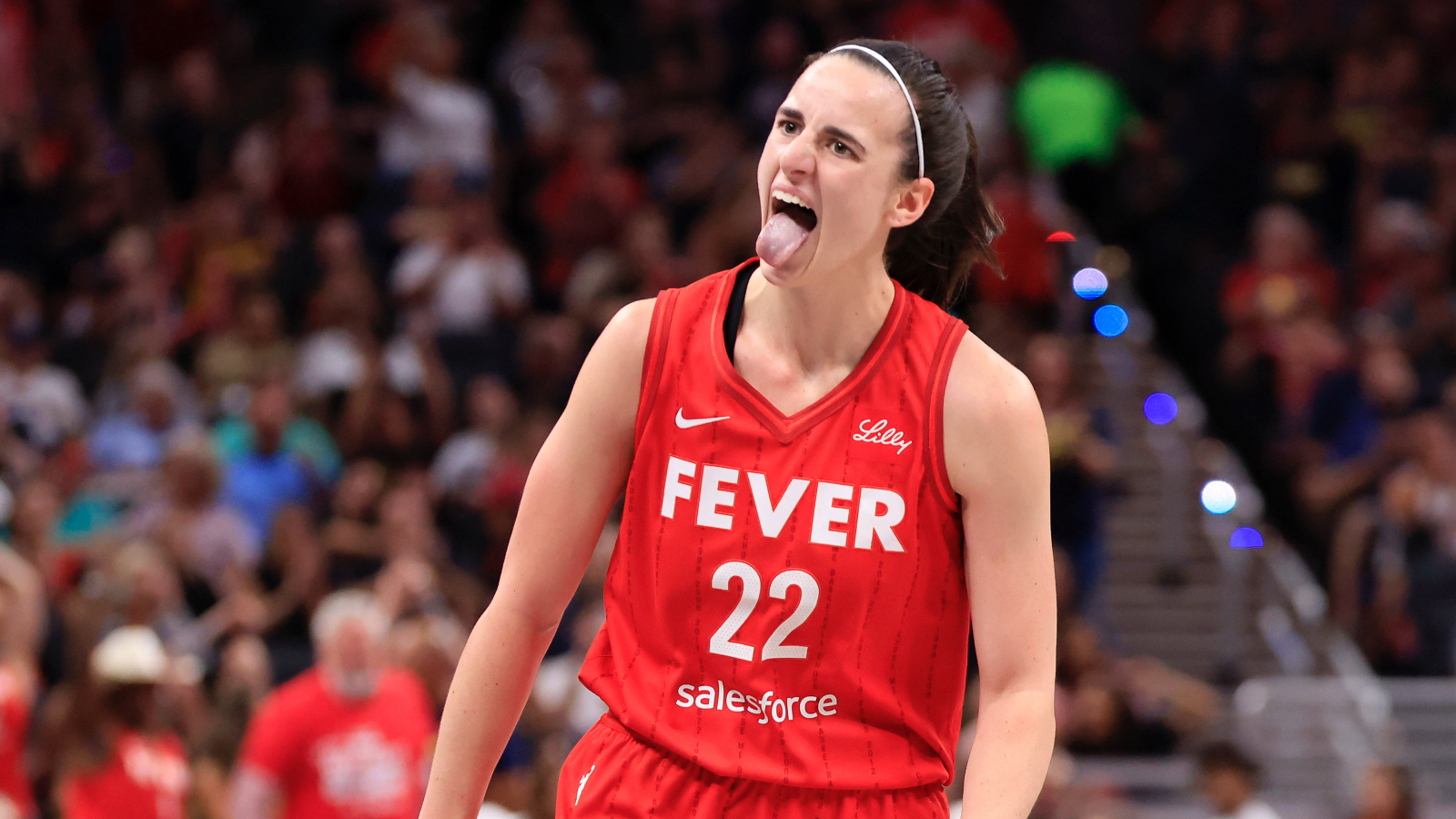
Internet rumor mills often target high-performing female athletes with baseless speculation, and WNBA star Caitlin Clark has faced entirely unfounded claims regarding her gender identity. To state the facts plainly, Caitlin Clark was born a female and is a cisgender woman. The persistent online chatter questioning her biological sex stems from anonymous social media myths rather than any factual reality.
Understanding how these narratives spread requires looking at the intersection of viral sports culture, digital misinformation, and the scrutiny faced by dominant female athletes. When record-breaking athletic achievements capture global attention, fringe online communities occasionally manufacture conspiracy theories to downplay or sensationalize success. Examining the roots of these claims clarifies why misinformation spreads so quickly and highlights the importance of relying on verified biographical facts.
The Origin of Athletic Gender Misinformation
False claims about female athletes aren't new. Over the decades, prominent competitors like Serena Williams, Brittney Griner, and various Olympic champions have encountered similar fabricated rumors. Whenever a woman dominates a traditionally male-dominated space or shatters long-standing scoring records, a small segment of internet culture struggles to reconcile elite physical dominance with traditional stereotypes.
In Clark's case, her unprecedented rise as an NCAA scoring leader and her subsequent transition to the professional level with the Indiana Fever thrust her into an unmatched spotlight. High visibility brings intense public scrutiny. Viral algorithms reward sensationalism, meaning fabricated controversies generate clicks, shares, and engagement for low-authority blogs.
- The Virality Loop: Outlandish claims spread faster than corrections, especially when amplified by anonymous accounts on platforms like X, TikTok, and fringe forums.
- The Stereotype Trap: Exceptional athleticism in women frequently triggers antiquated biases that attempt to question biological realities.
- The Engagement Economy: Content creators exploit search terms surrounding sensitive cultural debates to drive ad revenue, regardless of factual accuracy.
Navigating Public Scrutiny and Media Culture
As professional sports leagues navigate broader cultural discussions regarding competitive categories and inclusion, individual players frequently get pulled into external debates. Public figures like Clark often face pressure from commentators to take stances on complex socio-political topics.
When asked by reporters about league-wide policies or external controversies, elite players generally choose to refocus public attention on competition itself. Maintaining boundaries between professional athletic performance and external cultural noise allows players to protect their mental focus during grueling competitive seasons.
Why Viral Rumors Persist Online
The persistence of these myths relies heavily on confirmation bias. Readers who stumble upon speculative blog posts or unverified video clips often lack context regarding how sports misinformation originates.
- Decontextualized Imagery: Still frames, poor video resolution, or altered photographs are frequently weaponized to manufacture visual hoaxes.
- Echo Chambers: Closed online communities reinforce false narratives by treating speculation as insider information.
- Lack of Accountability: Anonymous publishing platforms make it easy to spread falsehoods without professional journalistic standards or corrections policies.
The Broader Impact on Women's Sports
Spreading false narratives about athletes does more than clutter search results; it creates a distracting environment for sports fans and journalists alike. Instead of analyzing defensive schemes, shooting ranges, and court vision, media cycles occasionally get bogged down addressing bizarre internet lore.
Protecting the integrity of sports journalism requires separating verified reporting from baseless internet speculation. When fans focus on measurable statistics and historical milestones, they honor the dedication required to reach the pinnacle of professional basketball.
Frequently Asked Questions
Was Caitlin Clark born a female?
Yes. Caitlin Clark was born female and is a cisgender woman. All official biographical records, birth documentation, and personal history confirm her sex assigned at birth.
Why do rumors about athletes' genders start online?
Misinformation usually stems from a mix of viral engagement incentives, unverified social media commentary, and historical biases that question elite female physical prowess.
Has Caitlin Clark addressed these online rumors?
Major professional athletes typically ignore completely fabricated online gossip, choosing instead to address broader professional standards or focus entirely on their team performance.
Where can I find accurate statistics on Caitlin Clark's career?
For verified biographical data, game logs, and professional achievements, consult official sports databases like the WNBA Official Site or major sports journalism archives.



