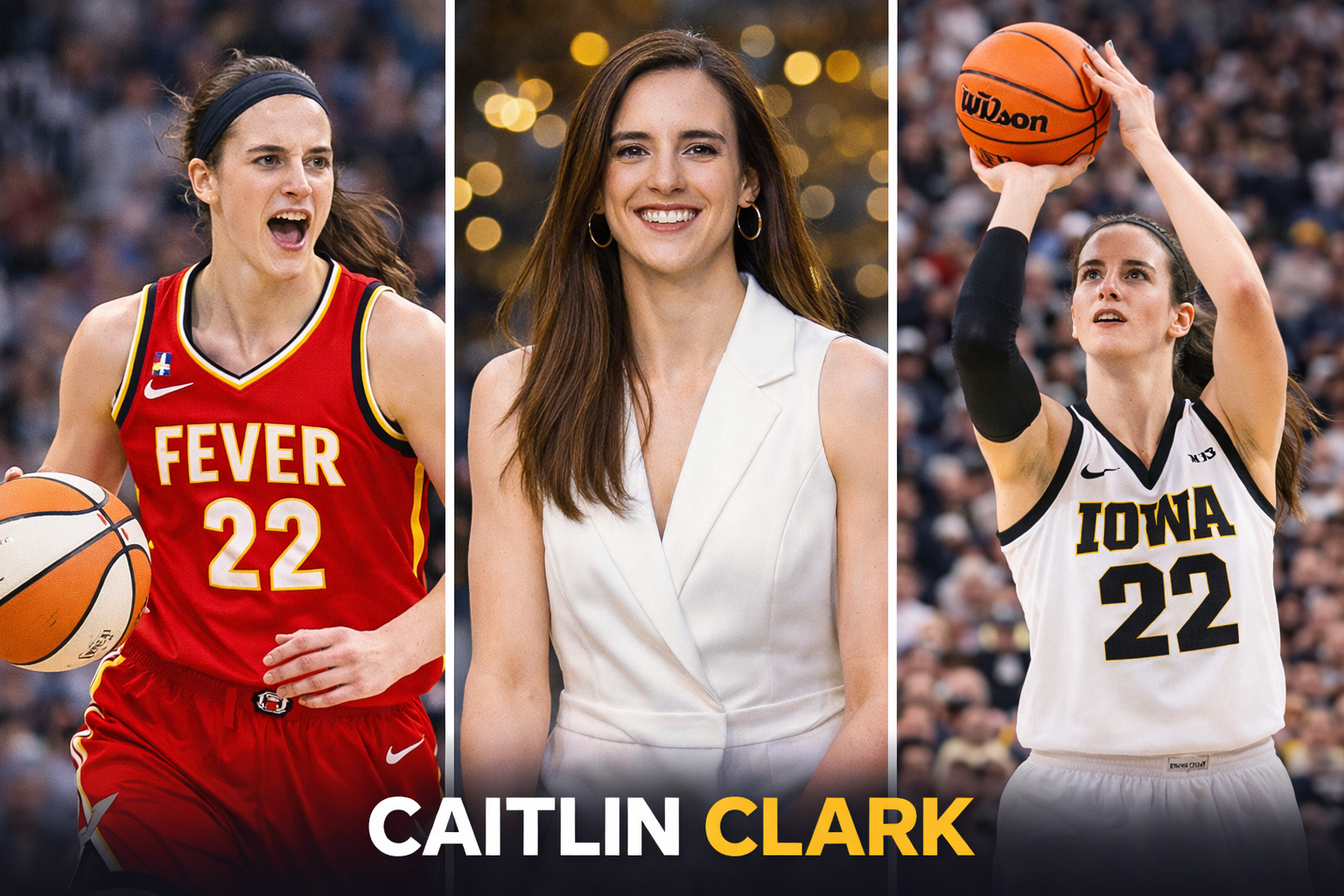
Internet search trends often chase sensational rumors, steering millions of users toward fabricated content. The query surrounding a viral leak involving WNBA star Caitlin Clark points directly to a recurring cycle of digital misinformation, deepfakes, and manipulated images designed to exploit high-profile search volume.
No authentic leak, explicit media, or shower video exists. Instead, the noise stems from automated clickbait networks, doctored social media posts, and unrelated deepfake controversies that cycle through platforms like X, Facebook, and TikTok. Understanding how these rumors spread helps separate fabricated online spam from reality, allowing fans to focus on actual athletic achievements rather than digital clickbait traps.
Anatomy of a Viral Misinformation Campaign
When high-profile athletes reach mainstream fame, they instantly become targets for malicious actors and traffic-farming websites. The mechanics behind these fake search trends usually follow a predictable path:
- Keyword Hijacking: Scraper websites and low-quality blogs generate automated pages using trending names combined with sensational buzzwords like leaked, nude, or shower. These pages don't contain any real media; they exist purely to capture search traffic and serve ads.
- Photoshop and Face-Swapping: Bad actors frequently superimpose an athlete's face onto unrelated stock photos, movie stills, or AI-generated templates. A prominent instance involved a viral Facebook post where Clark's face was digitally mapped onto an old photo of actress Jennifer Connelly.
- Social Media Amplification: Bots and engagement-farming accounts repost these manipulated images, driving curious users toward sketchy third-party links that often pose security risks or lead to spam surveys.
Platforms like the WNBA Official Site deal with these distractions by keeping the focus firmly on athletic performance, while digital literacy experts urge users to verify sources before clicking sensational links.
The Broader Impact of Digital Deepfakes in Sports
Athletes, particularly women in sports, face disproportionate amounts of digital harassment and synthetic media manipulation. High-profile incidents across sports leagues highlight how easily generative tools and simple image-editing software can create non-consensual fake content or malicious rumors.
During public commentary cycles, rival players and sports analysts have frequently pointed out that viral misinformation campaigns create toxic environments online. Distinguishing between real news and manufactured web spam requires looking at established journalistic outlets. Major sports networks like ESPN or The Athletic focus strictly on verified reporting, game stats, and official league updates, completely ignoring baseless online rumors.
How to Spot Fake Internet Leaks and Hoaxes
Navigating modern social media requires a healthy dose of skepticism. If a sensational headline claims a major celebrity or athlete is involved in a private media leak, you can almost always verify its falsity by checking a few indicators:
- Absence from Legitimate News: If a genuine high-profile leak or scandal occurs, major mainstream news outlets and wire services cover the legal, professional, or public statements surrounding it immediately. Total silence from credible press is a dead giveaway that the rumor is fake.
- Suspicious URL Structures: Clickbait articles often live on obscure domains, expired web hosting redirects, or random content-farming blogs that use automated article spinners.
- Low-Resolution or Distorted Visuals: Fabricated images and deepfakes often feature unnatural lighting boundaries around the jawline, blurry pixelation near the face, or anatomical inconsistencies that betray digital manipulation.
Protecting Digital Privacy and Cybersecurity
Beyond the nuisance of misinformation, clicking on links promising exclusive celebrity media or leaked content poses direct security threats. Many sites promoting these terms deploy malware, phishing scripts, or aggressive ad-injectors designed to compromise user data.
- Avoid clicking unverified links shared by anonymous social media accounts promising exclusive or restricted media.
- Utilize robust browser extensions that block malicious tracking scripts and known clickbait redirection networks.
- Report accounts that distribute non-consensual synthetic media or deepfakes to platform moderators immediately.
Frequently Asked Questions
Is there any truth to the Caitlin Clark leak rumors?
No. There is zero factual basis for any private media leaks involving Caitlin Clark. These search trends are entirely manufactured by clickbait sites and automated spam networks using deceptive SEO tactics.
Where do these fake images come from?
Most viral fake images originate from basic photo-editing software, face-swapping mobile applications, or generative artificial intelligence tools that map an athlete's face onto unrelated bodies or historical stock photographs.
How can fans support athletes against online harassment?
Fans can combat digital harassment by refusing to engage with, share, or click on sensationalist rumor posts, while instead amplifying official athletic highlights and verified news reporting.
Why do websites publish fake controversy articles?
Low-quality content farms use popular search terms to trick search engines into indexing their pages. Once users click through to find the non-existent content, the site profits from displaying intrusive programmatic advertisements.



