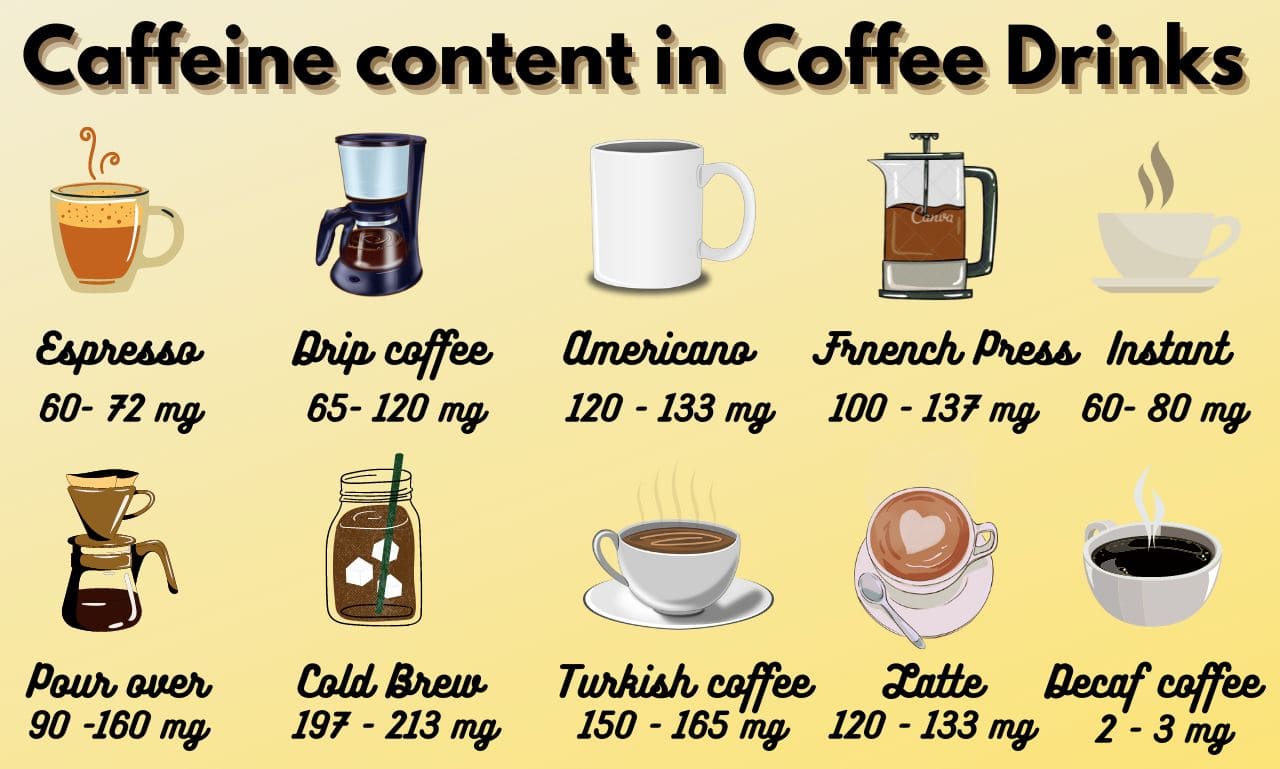
A standard 12-ounce can of Coca-Cola Classic contains 34 milligrams of caffeine, while Diet Coke packs 46 milligrams. This stimulant amount surprises many consumers who assume diet sodas mirror original recipes. Knowing these exact measurements helps you monitor daily intake, especially when comparing cola to coffee, tea, and energy drinks.
Why Caffeine Is Added to Coca-Cola
Caffeine isn't just there to wake you up. The compound plays a vital culinary role in shaping the beverage's signature taste. John Pemberton's original 1886 recipe included kola nuts and coca leaves, introducing both bitter flavor notes and mild stimulation.
Modern formulation uses isolated caffeine to cut through high sugar content. Without it, syrups taste cloying and overly sweet. The slight bitterness balances the corn syrup or artificial sweeteners, creating a cleaner finish on the palate.
Exact Caffeine Content Across Coca-Cola Products
Formulations vary significantly across the product lineup. Understanding these differences prevents accidental overconsumption.
- Coca-Cola Classic (12 fl oz): 34 mg
- Coca-Cola Zero Sugar (12 fl oz): 34 mg
- Diet Coke (12 fl oz): 46 mg
- Coca-Cola Cherry / Vanilla (12 fl oz): 34 mg
- Coca-Cola with Coffee (12 fl oz): 69 mg
- Coca-Cola Caffeine-Free (12 fl oz): 0 mg
Diet Coke contains more caffeine because aspartame requires different flavor balancing than sugar. Formulators add extra stimulant to mimic the mouthfeel and bite of regular cola.
How Coke Compares to Coffee, Tea, and Energy Drinks
Soft drinks sit on the lower end of the stimulant spectrum, but cumulative intake adds up quickly.
- Brewed Coffee (8 fl oz): 80 to 100 mg
- Espresso (1 shot / 1 fl oz): 63 mg
- Black Tea (8 fl oz): 47 mg
- Red Bull Energy Drink (8.4 fl oz): 80 mg
- Monster Energy (16 fl oz): 160 mg
Drinking three cans of Diet Coke delivers roughly 138 milligrams of caffeine. That equals a strong cup of artisanal coffee, yet many soda drinkers don't factor soft drinks into their daily stimulant tally.
How Your Body Processes Soda Caffeine
Caffeine acts as a central nervous system stimulant by blocking adenosine receptors in the brain. Adenosine builds up throughout the day, promoting sleepiness. When caffeine molecules bind to those receptors instead, you experience temporary alertness and reduced fatigue.
Peak blood levels occur within 30 to 60 minutes of finishing your drink. The half-life ranges from three to five hours in healthy adults. If you drink a Coke at 4:00 PM, half of that caffeine remains active in your system at 8:00 PM, which can disrupt sleep architecture even if you fall asleep easily.
Safe Consumption Limits and Health Guidance
Health authorities like Health Canada suggest that up to 400 milligrams per day poses no adverse health effects for most healthy adults. This equals about twelve cans of regular Coca-Cola or roughly four cups of brewed coffee.
Pregnant individuals should restrict daily intake to 200 milligrams or less, according to guidelines from the World Health Organization. Children and adolescents face lower tolerance thresholds, making water and milk safer everyday hydration choices.
Common Mistakes When Tracking Daily Caffeine
- Ignoring caffeine in diet sodas: Assuming zero sugar means zero stimulants leads to unexpected evening jitters.
- Mixing multiple sources: Combining morning coffee, afternoon cola, and pre-workout supplements pushes daily totals past safe limits without you realizing it.
- Misjudging serving sizes: A 20-ounce bottle or a fast-food restaurant mega-cup contains substantially more caffeine than a standard 12-ounce can.
- Using soda for hydration: Caffeinated beverages have a mild diuretic effect, meaning they shouldn't replace plain water during physical exertion.
Frequently Asked Questions
Does caffeine content change if soda goes flat?
No. The chemical structure of caffeine remains stable even when carbonation dissipates. A warm, flat can of Coke has the exact same stimulant dose as a fresh, ice-cold one.
Can you build a tolerance to the caffeine in Coke?
Yes. Regular consumption downregulates adenosine receptors over time. If you drink soda daily, you'll need higher doses to feel the same alerting effects and may experience mild headaches if you stop abruptly.
Is caffeine-free Coke completely stimulant-free?
Yes. Caffeine-Free Coca-Cola removes the ingredient entirely while attempting to replicate the original flavor profile using adjusted spice and citrus oils.
Why do some people feel jittery from one can while others feel nothing?
Genetics dictate how rapidly your liver enzymes metabolize caffeine. Slow metabolizers process the compound over a longer window, making them sensitive to even minor doses like a single can of soda.



