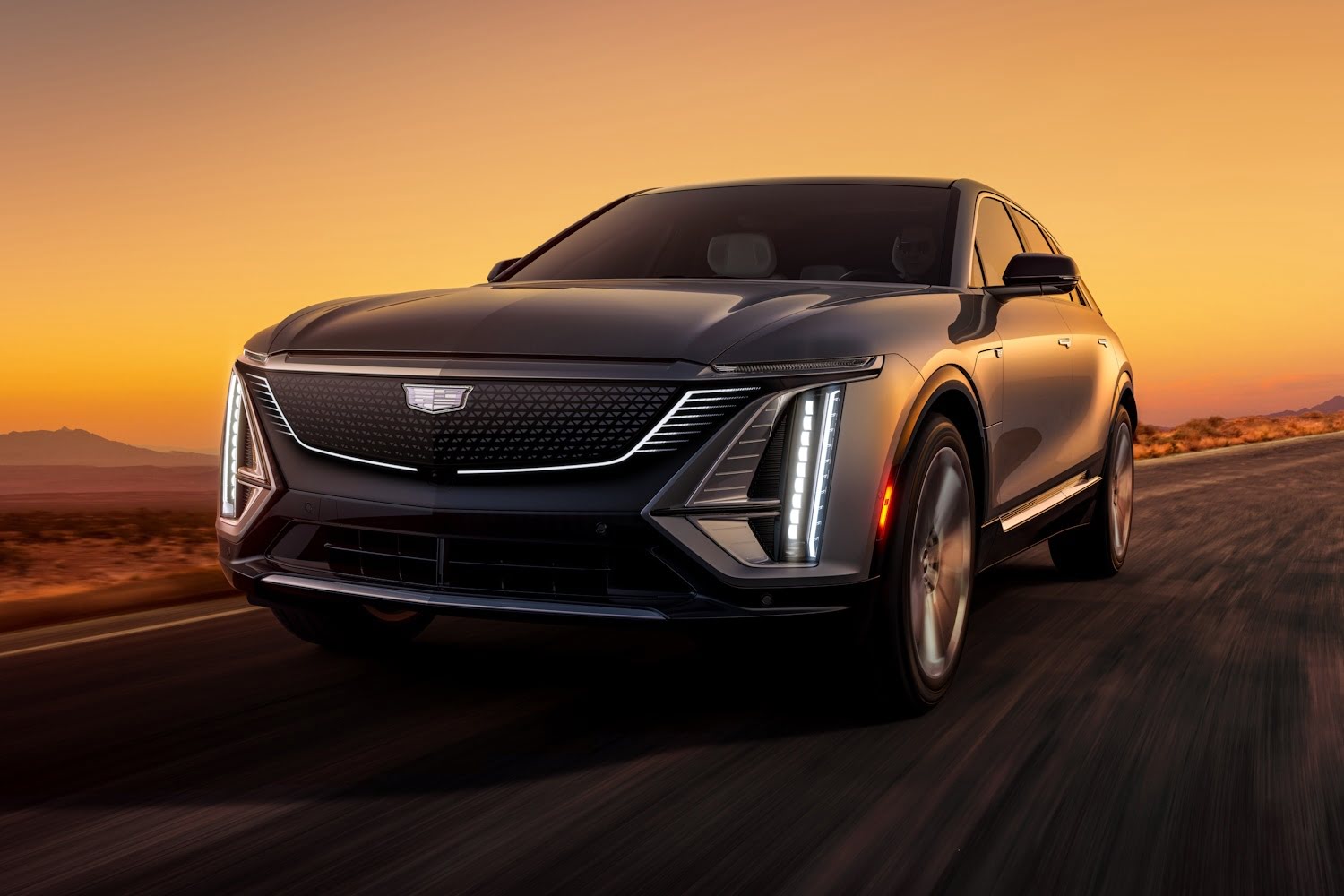
Cadillac stands as a towering symbol of American prestige, defining high-end automotive design and engineering for over a century. From pioneering interchangeable parts to shaping modern luxury transportation, the brand earned its legendary reputation through relentless technical innovation. Let's explore how a humble Detroit workshop transformed into the definitive standard of automotive luxury.
The story of Cadillac begins in 1902 when engineer Henry Leland and his financial backers took over the remnants of the Henry Ford Company. Named after Antoine de la Mothe Cadillac, the founder of Detroit, the new automaker focused intensely on precision manufacturing. While other early car makers struggled with hand-fitted components that frequently broke down, Leland brought an obsessive focus on interchangeability to the workshop floor.
The Foundation of Precision and the Standard of the World
In 1908, Cadillac achieved a major milestone that changed the automotive industry forever. The Royal Automobile Club of England subjected three random Cadillac vehicles to a rigorous test. Inspectors completely dismantled the cars, mixed all their parts together in a pile, and reassembled them using only spare parts and simple wrenches. Every single vehicle started immediately and ran flawlessly.
This historic demonstration won Cadillac the prestigious Dewar Trophy and earned the brand its famous moniker: "The Standard of the World." It proved that mass production could coexist with extreme precision. Following this triumph, General Motors acquired Cadillac in 1909, positioning it as the crown jewel of its growing automotive empire while keeping Leland's engineering standards intact.
Groundbreaking Innovations That Shaped Driving
Cadillac didn't just build expensive cars; it invented technologies that made driving safer and more accessible for everyone. In 1912, the brand introduced the electric self-starter, eliminating the dangerous and exhausting hand-crank method. This single invention opened up driving to motorists who lacked the physical strength required to turn a heavy engine crank.
Subsequent decades brought further breakthroughs that cemented the brand's elite status:
- The introduction of the mass-produced V8 engine in 1915, delivering smooth, reliable power.
- The 1927 LaSalle, styled by visionary designer Harley Earl, which marked the birth of professional automotive styling.
- The massive V16 engines of the 1930s, offering unmatched mechanical refinement during the Great Depression.
- The revolutionary introduction of tailfins in 1948, heavily inspired by postwar aviation trends.
Postwar Glamour and the Golden Era
Following the disruption of World War II, when factories temporarily shifted to building aircraft engines, Cadillac exploded into its most flamboyant design era. The 1950s and 1960s represented peak American optimism. Huge chrome grilles, panoramic windshields, and soaring tailfins dominated the roads.
The Cadillac Eldorado emerged during this period as the ultimate status symbol. Owning an Eldorado meant you had arrived. Models featured power steering, automatic climate control, and plush interiors that felt more like a luxury living room than a vehicle cabin. These cars were heavy, thirsty for gasoline, and utterly majestic, cruising down highways with a floaty ride quality that owners adored.
Evolution Through Changing Decades
The energy crises and stricter emissions regulations of the 1970s and 1980s forced Cadillac to downsize drastically. Vehicles shed hundreds of pounds and adopted more conservative lines to meet federal fuel economy standards. While purists initially mourned the loss of land-yacht proportions, the brand adapted by focusing on comfort electronics, digital instrument clusters, and fuel efficiency.
By the late 1990s, Cadillac recognized a massive shift in consumer tastes toward utility vehicles. The launch of the Escalade in 1999 caught lightning in a bottle, instantly redefining luxury transport for athletes, musicians, and families alike. The Escalade proved that the brand could dominate a completely new market segment without losing its aura of exclusivity.
Embracing Modern Performance and Electric Futures
In the twenty-first century, Cadillac shifted its focus toward global competitiveness. The introduction of the V-Series injected genuine high-performance racing DNA into sedans and SUVs, allowing the brand to challenge elite European sports models on demanding tracks like the Nürburgring.
Today, Cadillac balances its storied heritage with cutting-edge electrification. Advanced driver assistance systems like Super Cruise offer hands-free driving capabilities on compatible highways. Meanwhile, new electric models signal a return to the brand's roots as a true technological trailblazer. You can read more about current developments on the official Cadillac website.
Frequently Asked Questions
Why is Cadillac called the Standard of the World?
The title originated in 1908 after Cadillac won the Dewar Trophy for its pioneering parts interchangeability. Winning the award twice proved that American manufacturing could achieve a level of precision previously thought impossible.
Who founded the Cadillac brand?
Henry M. Leland founded the company in 1902 after taking over the remaining assets of the Henry Ford Company. He named the enterprise after Antoine de la Mothe Cadillac.
When did Cadillac introduce the electric starter?
Cadillac introduced the revolutionary electric self-starter in 1912 on the Model Thirty, effectively eliminating the manual hand crank and transforming vehicle safety and usability.
What was the significance of the Cadillac tailfins?
Introduced in the late 1940s and popularized throughout the 1950s, tailfins were inspired by fighter jets and postwar aviation. They became the defining design signature of American automotive styling during the mid-twentieth century.



