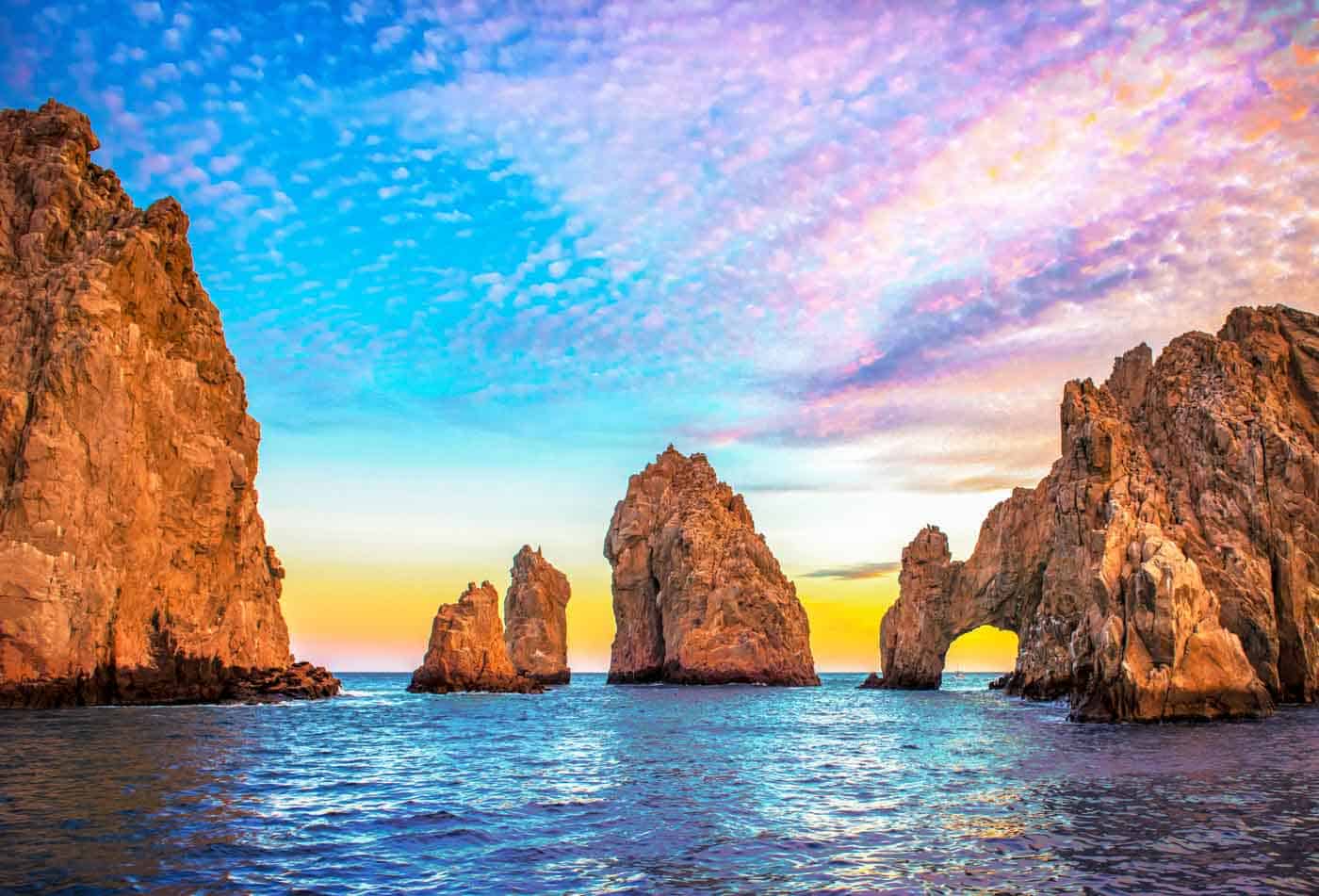
When you plan a trip to the southern tip of the Baja California Peninsula, understanding the local atmosphere changes everything. Cabo San Lucas sits at a rare geographical crossroads where the vast Sonoran Desert crashes directly into the Pacific Ocean and the Sea of Cortez. This unique meeting point creates a desert-sea climate equation that defies standard tropical stereotypes. You won't find year-round humidity or daily afternoon monsoons here. Instead, you get a dry, sun-drenched environment boasting over 350 days of sunshine annually.
The Geography of the Baja Climate
Why is Cabo San Lucas so reliably sunny and dry? The answer lies in atmospheric circulation and ocean currents. The region is heavily influenced by subtropical high-pressure systems that suppress cloud formation for most of the year. Furthermore, the cold California Current flows down the Pacific side of the peninsula, cooling coastal air temperatures slightly while stabilizing atmospheric moisture.
On the eastern side, the Sea of Cortez acts as a massive thermal reservoir. Water temperatures fluctuate significantly between winter and summer, driving local wind patterns like the gentle coromuel breezes that cool the nights. This dual-water influence means weather conditions can feel distinct depending on whether you're lounging on a Pacific-facing beach or swimming in the calmer waters of Medano Beach on the gulf side.
Seasonal Temperature Breakdown
Temperature trends in Cabo follow a predictable yet dramatic annual cycle.
- Winter (December to February): Daytime highs average around 26 degrees Celsius, with crisp evenings dropping to roughly 15 degrees. It's peak season for tourists seeking escape from northern winters.
- Spring (March to May): Rainfall is virtually nonexistent. Temperatures warm steadily into the high 20s and low 30s, accompanied by calm seas ideal for whale watching and snorkeling.
- Summer (June to September): Mercury peaks regularly above 35 degrees Celsius. Humidity climbs noticeably, especially in August and September, which are the warmest months of the year.
- Autumn (October to November): The transition period brings cooling breezes, warm ocean temperatures hovering around 28 degrees, and clearer skies as the tropical storm risk subsides.
Rainfall Patterns and the Tropical Storm Factor
Annual precipitation in Cabo San Lucas averages less than 250 millimeters. For most of the year, rain is a statistical anomaly. However, the region's climate equation includes a brief, intense hurricane season stretching from July through October.
Tropical storms occasionally form off the Mexican mainland and track north along the Baja Peninsula. While direct landfalls are relatively infrequent, these systems can drop a year's worth of rain in a single afternoon when they do impact the area. If you're traveling during late summer, keeping an eye on National Hurricane Center updates is essential for a stress-free vacation. You can check official marine and weather advisories directly through the World Meteorological Organization for global climate monitoring context.
Ocean Temperatures and Marine Ecosystems
The desert-meets-sea environment creates a rich marine habitat. Because the Sea of Cortez is warmer and shallower than the Pacific Ocean, marine life thrives in the nutrient-rich mixing zones around Land's End.
- Winter Sea Temps: Drop to about 21 degrees Celsius, prompting humpback whales to migrate south from Alaska.
- Summer Sea Temps: Rise to 28 degrees or higher, attracting marlin, dorado, and manta rays.
Common Planning Mistakes to Avoid
Many travelers miscalculate what to pack based on generic Mexico weather stereotypes. Here are pitfalls you'll want to skip:
- Packing only summer clothes for winter trips: Desert nights get surprisingly chilly. Always bring a light jacket or sweater for evenings between December and February.
- Underestimating the desert sun: UV indexes remain extreme year-round. Sunscreen with high SPF is non-negotiable even on partly cloudy winter days.
- Ignoring the Pacific undertows: While you're analyzing weather stats, remember that ocean safety varies wildly by coast. Pacific-facing beaches like Divorce Beach have dangerous currents and are strictly non-swimming, regardless of how calm the air temperature feels.
For official regional tourism updates and safety advisories, consult resources like Visit Mexico when mapping out your itinerary.
Frequently Asked Questions
When is the best time of year to visit Cabo San Lucas?
The optimal window runs from November to April. During these months, daytime temperatures are comfortable, humidity is low, and outdoor activities like sportfishing and whale watching are at their peak.
Does it rain often in Cabo San Lucas?
No. Cabo is an arid desert destination. It averages only five to ten rainy days per year, with the vast majority of precipitation concentrated in late August, September, and early October during tropical storm activity.
Can you swim in the ocean year-round?
Yes, but location matters. Swimming is safe and popular year-round on Sea of Cortez beaches like Medano Beach. Pacific Ocean beaches feature powerful rip currents and dangerous shorebreaks where swimming is strictly prohibited.
How hot does it get during the summer peak?
July through September regularly sees daytime highs exceeding 35 degrees Celsius. Combined with rising seasonal humidity, midday hours require hydration, shade, and air conditioning.



