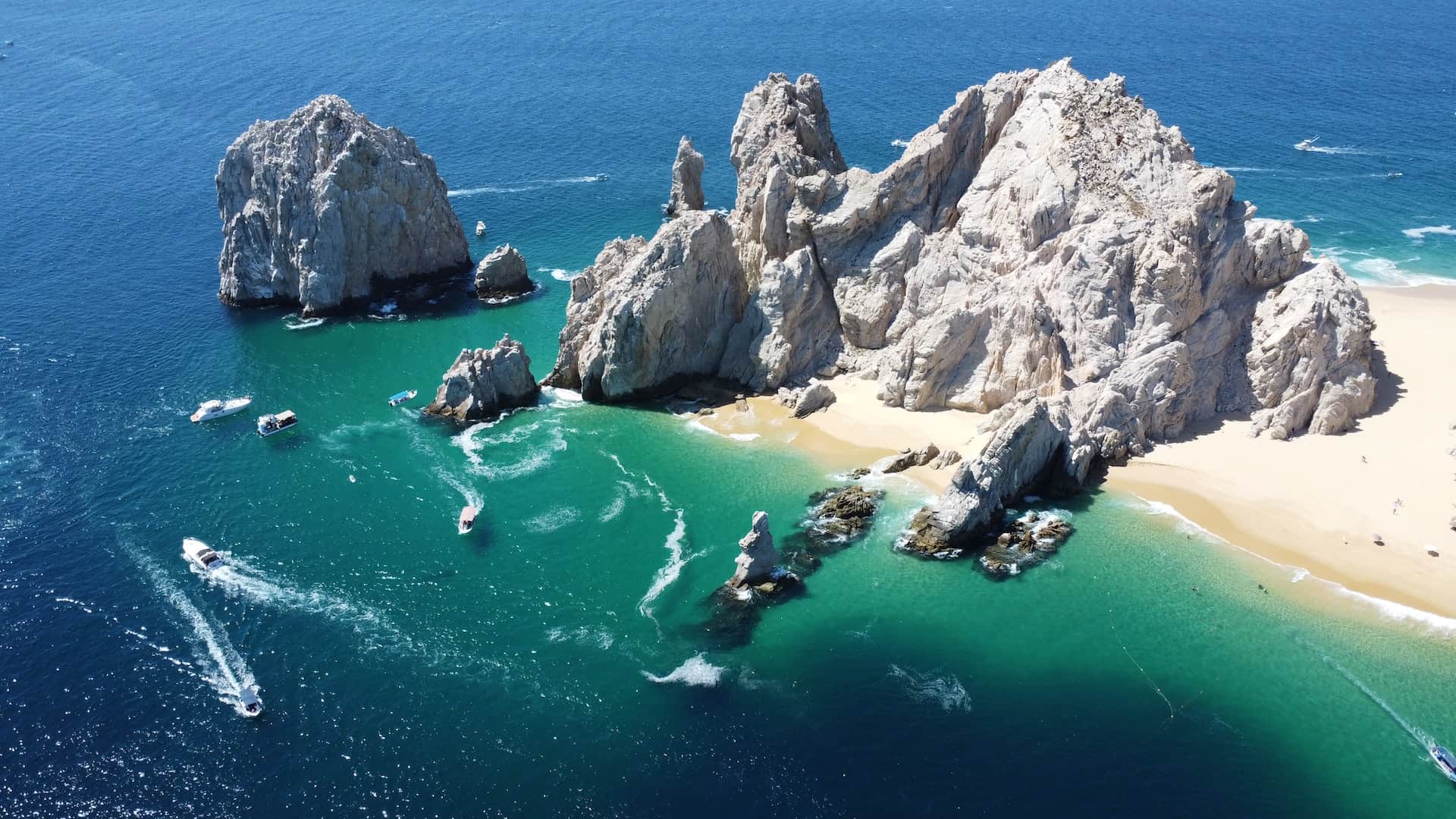
Cabo Frio sits on the coastline of Rio de Janeiro state, backed by the nutrient-rich upwellings of the Atlantic Ocean and sheltered bays. This geography creates an exceptional marine ecosystem where cold, deep-sea currents collide with warm coastal waters, drawing huge numbers of predatory game fish right to the shoreline. If you're looking for a world-class angling destination in South America without the heavy tourist crowds of major cities, this coastal hub delivers year-round action.
Targeting fish here requires understanding local tides, seasonal migrations, and exact coastal structures. Whether you want to cast heavy lures from rocky headlands for fierce bluefish or head miles offshore for marlin and tuna, you need a targeted strategy. This guide breaks down the prime locations, seasonal windows, gear requirements, and logistical tips to help you make the most of your time on the water.
Prime Fishing Spots in Cabo Frio
Choosing the right location dictates whether you land trophy catches or spend hours empty-handed. The coastline around Cabo Frio features diverse structures, from deep drop-offs to calm bays.
Ilha do Farol (Hog Island)
Positioned just off the main peninsula, Ilha do Farol sits in crystal-clear Atlantic waters governed by strict environmental protections. You can't fish directly on the protected reserve beaches, but the surrounding reefs and surrounding deep channels hold massive amberjack, grouper, and large snapper. Drifting live baits along the underwater ledges consistently produces strikes from heavy reef predators.
Cabo Frio Channel (Itajuru Canal)
Connecting the Araruama Lagoon to the open ocean, the Itajuru Canal acts as a massive highway for marine life. Tides push baitfish through the narrow channel twice a day, drawing in snook, leerfish, and jacks. Fishing from the stone banks or renting a small skiff near the mouth of the canal gives you prime access to brackish-water predators that feed aggressively during moving water.
Praia do Forte and Rocky Promontories
While the main sandy stretch of Praia do Forte sees heavy beachgoer traffic, the rocky outcrops at either end offer stellar shore casting. Early mornings before sunrise provide the best conditions to target bluefish, pompano, and snook using metal jigs or live shrimp. Watch the swell carefully before stepping onto slippery rocks, as sneaker waves are common along this stretch of coast.
Key Species and Seasonal Timing
Fish migrations in Rio de Janeiro state shift dramatically with the ocean temperatures. Knowing what runs during specific months ensures you target the right species with correct gear.
Summer (December to March)
Summer brings warm water temperatures and massive schools of pelagic species close to shore.
- Target species: Sailfish, yellowfin tuna, dolphinfish (mahi-mahi), and skipjack.
- Methods: High-speed trolling with skirted lures and live-bait drifting offshore.
Winter (June to September)
Winter brings cooler ocean currents up from the south, driving large migratory predators into shallower waters near the coast.
- Target species: Bluefish (tainha runs), giant amberjack, grouper, and large corvina.
- Methods: Heavy surfcasting, vertical jigging over rocky bottoms, and live-baiting from boats.
Spring and Autumn (Transition Seasons)
Shoulder months provide steady mixed bags, making them ideal for light tackle enthusiasts and kayak anglers working the protected bays.
- Target species: Snook, roosterfish relatives, triggerfish, and pargo.
- Methods: Light spinning, soft plastics, and fly fishing in calmer inlets.
Selecting Fishing Charters and Boats
Booking a reliable charter service transforms a speculative outing into a productive trip. Most professional boats launch from the main municipal docks or adjacent canal slips.
When vetting captains, verify that the vessel carries modern safety gear, reliable GPS fish finders, and functional radio communication. Reputable local operators include specialized offshore sportfishing cruisers equipped with outriggers and fighting chairs, as well as smaller center-consoles ideal for inshore reef hopping.
Always confirm what the charter fee covers before departure. Standard packages should include fuel, bait, tackle, ice, and bottled water, but verify whether fishing licenses and lunch are included in the price. Tipping the deckhand 10 to 15 percent is standard practice when the crew works hard to put you on fish.
Essential Gear and Tackle Recommendations
Packing the right equipment saves you from gear failure when battling powerful saltwater species. Local tackle shops in town stock basic items, but bringing specialized heavy-duty gear is wise for offshore work.
For inshore and rock fishing, pack a 7 to 8-foot medium-heavy spinning rod paired with a 4000 to 6500 series reel spooled with 30-pound braided line and a heavy fluorocarbon leader. Keep a selection of 40-gram metal jigs, topwater poppers, and circle hooks for live bait.
For offshore trolling, use conventional setups rated for 50 to 80-pound class lines. Heavy roller guides, robust drag systems, and reinforced harness lugs are non-negotiable when locking horns with large pelagics. For further insights on sustainable marine practices and regional fishing standards, consult the Brazilian Ministry of Fisheries and Aquaculture guidelines.
Regulations, Licensing, and Conservation
Brazil enforces strict environmental laws to protect fragile marine habitats and prevent overfishing. Ignoring these rules can lead to heavy fines or confiscation of equipment.
- Fishing License: Every recreational angler over a certain age must hold a valid amateur fishing license (licença de pesca amadora), which can be easily obtained online through federal government portals before your trip.
- Size and Bag Limits: Strict minimum landing sizes apply to prized table fish like snook and grouper. Undersized catches must be unhooked carefully and returned to the water immediately.
- Protected Species: Certain sharks, rays, and specific grouper species are strictly protected under federal conservation acts. Familiarize yourself with current seasonal closures (defeso) published by IBAMA to ensure absolute compliance.
Common Mistakes to Avoid
Anglers visiting Cabo Frio for the first time often make avoidable errors that ruin their chances of success.
- Ignoring the Tide Table: Fishing a stagnant tide in the Itajuru Canal yields very few bites. Always time your outings around the moving incoming or outgoing water flows.
- Underestimating Leader Strength: Coral reefs and sharp rocky structures chew through light lines instantly. Never skip using abrasion-resistant fluorocarbon leaders of at least 40 to 60 pounds when targeting reef dwellers.
- Neglecting Sun Protection: The tropical sun near the equator is intensely powerful. High-SPF sunscreen, polarized sunglasses, and lightweight long-sleeve performance shirts are essential gear for survival on the water.
Frequently Asked Questions
Do I need to speak Portuguese to book a fishing charter in Cabo Frio?
While speaking basic Portuguese helps negotiate details, many charter captains operating out of the main docks communicate well in English or use translation apps to coordinate trip logistics, bait preferences, and departure times.
Can I fish from the beaches in Cabo Frio without a boat?
Yes, shore fishing is very popular. Beaches like Praia do Pero and the rocky edges of Praia do Forte provide great surfcasting opportunities for anglers targeting smaller game fish without hiring a vessel.
What is the primary target fish during the summer months?
Summer marks peak season for pelagic predators like dolphinfish, skipjack tuna, and sailfish, which migrate close to the warm offshore currents just outside the bay.
Are fishing equipment rentals readily available locally?
Basic rod and reel setups can be rented from a few tackle shops near the municipal canal, but serious anglers should bring their own terminal tackle, lures, and specialized reels to ensure reliability.


