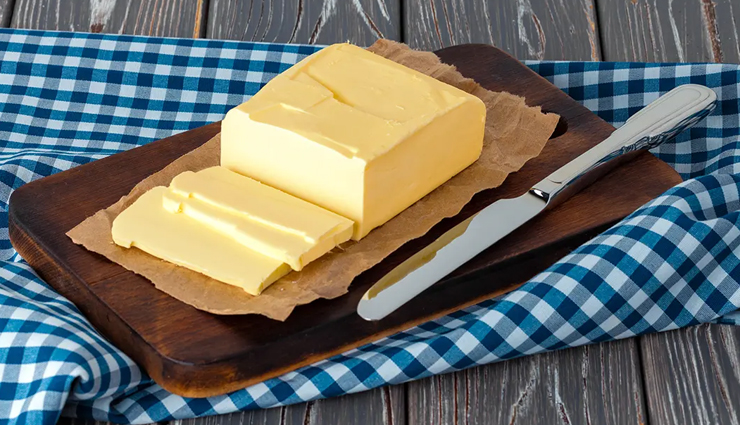
Making butter from cream is a physical transformation that has fed communities for thousands of years. Before modern refrigeration and industrial dairies, the butter churn was the quiet engine that turned surplus milk into a shelf-stable fat. Today, understanding this tool reveals how early societies mastered food chemistry long before laboratories existed.
At its core, a butter churn is a vessel designed to agitate heavy cream until fat globules rupture and clump together. This mechanical agitation forces suspended fat molecules to collide, squeeze out trapped liquid, and bond into solid butter grains, leaving behind watery buttermilk.
Anatomy and Mechanics: How Different Churns Work
Every traditional butter churn relies on friction and mechanical force to break the fat-in-water emulsion of cream. Over centuries, inventors and craftspeople designed distinct mechanisms to make this physical labor more efficient.
The Plunger Churn
The plunger churn, also called a dash churn, is among the oldest stationary designs. It consists of a tall, narrow wooden cylinder—often built from oak or ash staves—and a long wooden rod fitted with a perforated disc or cross at the bottom.
- Operators moved the rod up and down manually for thirty to sixty minutes.
- The vertical movement forced cream through small holes, creating shear stress that accelerated fat separation.
- Narrow containers kept the cream concentrated around the path of the plunger.
The Rotary Barrel Churn
As dairy production scaled up in the nineteenth century, hand-cranked barrel churns replaced vertical plungers. These horizontal wooden or stoneware drums rotated via an exterior crank handle.
- Paddles or baffles fixed inside the rotating drum smashed the cream against the walls.
- Gear mechanisms allowed operators to turn the handle with less physical strain while spinning the inner paddles faster.
- Glass inspection windows appeared on later models so makers could watch the butter "break" without opening the lid.
A Global Timeline: From Ancient Skins to Industrial Vats
The butter churn didn't emerge in a single region. Different cultures developed independent methods based on available livestock and climate conditions.
Prehistoric Beginnings
Archaeological findings suggest humans churned butter as early as 8000 BCE in parts of the Middle East and Europe. Nomadic herders in Central Asia and North Africa stored milk in animal skins hung from tent poles or pack animals. The natural rocking motion of travel agitated the milk, turning it into butter organically.
The Farmhouse Era
In medieval and early modern Europe, butter churning became a fixed weekly chore anchored to the agricultural calendar. Farm households processed excess summer milk when cows grazed on lush grass, yielding yellow, beta-carotene-rich butter. Families salted and packed this butter into crocks to sustain themselves through winter. According to records from the Food and Agriculture Organization, traditional dairy methods formed the economic backbone of many rural European and North Asian communities for centuries.
The Industrial Pivot
The late 1800s brought rapid mechanization. The invention of the continuous cream separator by Gustaf de Laval in 1878 meant farmers no longer had to wait days for cream to rise to the top of milk pans. Steam-powered and later motorized churns shifted butter production from household kitchens to centralized creamery factories, transforming butter from a local trade good into a standardized commodity.
Historical Versus Modern Uses
The purpose of a butter churn has shifted dramatically over time, moving from sheer survival necessity to cultural preservation.
Historical Functions
- Caloric Sustenance: Butter provided concentrated calories and fat-soluble vitamins essential for harsh winters.
- Economic Currency: Farm butter served as a reliable trade item at local country stores, often exchanged for dry goods, sugar, or cloth.
- Social Labor: Churning was frequently communal work where community members gathered to share news while keeping rhythm on heavy dash churns.
Modern Applications
- Artisanal Cheesemaking and Dairies: Small-scale producers use specialized churns to craft small batches of cultured butter, often using high-fat European-style creams that deliver distinct tangy flavors.
- Living History Museums: Agricultural parks and historical sites use functional churns to educate visitors about nineteenth-century farm labor and food origins.
- Educational Science Projects: Teachers use small glass jars and heavy cream to demonstrate emulsions and phase changes in classroom chemistry experiments.
Common Mistakes When Making Butter
If you attempt traditional churning at home using a jar or hand crank, a few common errors can stall the process.
- Using the Wrong Cream: Ultra-pasteurized commercial cream contains stabilizers that interfere with fat globule bonding. Always choose fresh, heavy whipping cream without additives.
- Incorrect Temperature: Cream that is too cold stays stiff and refuses to break; cream that is too warm melts the fat into an oily sludge. The ideal churning temperature sits between 55°F and 60°F (13°C to 15°C).
- Stopping Too Soon: Beginners often mistake whipped cream for finished butter. Whipped cream is a foam trapping air; churning must continue past that stage until the emulsion breaks completely and butter separates cleanly from the watery buttermilk.
Frequently Asked Questions
Why does buttermilk separate from butter during churning?
Heavy cream is an oil-in-water emulsion where tiny fat droplets are suspended in liquid by a protective protein membrane. Mechanical agitation shatters these membranes, allowing the hydrophobic fat molecules to stick together. Once the fat clumps into solid grains, the remaining liquid—now stripped of its fat—is left behind as buttermilk.
How long does manual churning take?
When working at the proper temperature with a hand-crank or jar churn, butter typically forms within fifteen to thirty minutes. Plunger churns operated by hand often require steady, sustained effort for up to an hour depending on the volume of cream.
Did ancient people invent butter intentionally?
Evidence suggests butter was discovered by accident when milk stored in leather containers shook during transport. Once early herders recognized that the solid residue tasted rich and resisted spoiling longer than fresh milk, they began replicating the agitation process intentionally.
What is the difference between sweet cream butter and cultured butter?
Sweet cream butter is made from fresh cream collected straight from milk separation. Cultured butter requires fermenting the cream with lactic acid bacteria before churning, resulting in a complex, tangy flavor profile popular in traditional European kitchens. For more details on dairy standards and processing history, visit the U.S. Food and Drug Administration.



