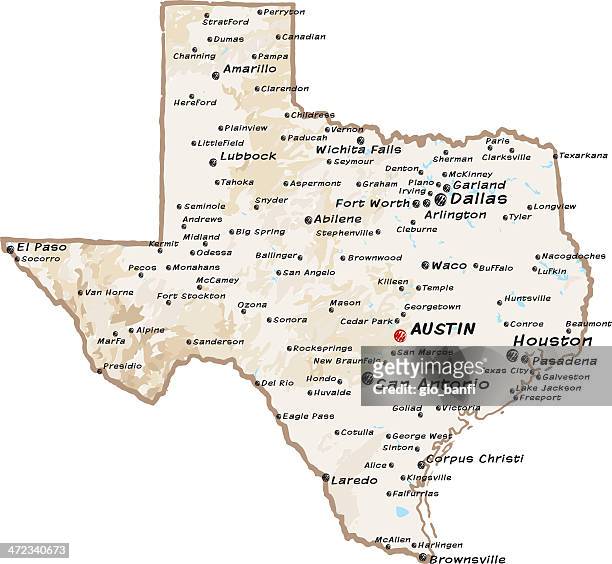
Choosing the right business address for Texas is more than just securing a spot on your marketing materials. When you register a company in the Lone Star State, your location establishes your legal jurisdiction, shapes your tax obligations, and impacts your brand credibility from day one. Whether you're launching a tech startup in Austin, an oil and gas service firm in Houston, or a retail operation in Dallas, getting your physical or virtual foundation right determines how smoothly your operations run.
Texas attracts thousands of new ventures annually thanks to a thriving economy and zero state personal income tax. Yet, navigating the specific requirements for commercial addresses, registered agents, and local zoning laws can overwhelm first-time founders. This guide breaks down what you need to know to select the right location, stay compliant with state laws, and position your enterprise for long-term growth.
Why Your Business Address Matters in Texas
Your commercial address influences much more than where your mail lands. State agencies, customers, and financial institutions all evaluate your location to verify your legitimacy.
When you file your certificate of formation with the Texas Secretary of State, you must provide a registered office address. This cannot be a standard post office box; it requires a physical street location where legal documents and state notices can be delivered during normal business hours. To see the bigger picture, we recommend the recent analysis by Investopedia.
Beyond legal compliance, your address affects:
- Tax Jurisdictions: Texas imposes a state franchise tax, and local sales taxes vary significantly by municipality and county. Your physical operations or storefront location determines your exact collection and reporting obligations.
- Customer Trust: Operating out of a recognized business hub or professional commercial suite signals stability and trustworthiness to prospective clients.
- Banking and Merchant Accounts: Traditional banks and payment processors scrutinize business addresses to prevent fraud. Residential addresses or virtual mailboxes that lack proper commercial zoning support can sometimes trigger additional compliance checks during account opening.
Evaluating Your Location Options
Founders don't always need to lease expensive downtown square footage on day one. Texas business regulations accommodate several different operational models, provided you meet state disclosure rules.
Commercial Office Leases
Signing a commercial lease gives you maximum operational freedom, dedicated storefront visibility, and permanent infrastructure for employees. This is the ideal route for manufacturing, retail, and medical practices that require foot traffic or specialized equipment. However, commercial leases involve long-term financial commitments, tenant improvements, and strict landlord agreements.
Virtual Offices and Executive Suites
For remote teams, consultants, and e-commerce ventures, a virtual office provides a legitimate commercial street address without the overhead of renting full-time physical space. High-end virtual office providers in cities like San Antonio or Fort Worth offer mail scanning, receptionist services, and access to conference rooms when you need to meet clients face-to-face. Ensure your provider permits commercial registration use before listing the address on your state filings.
Home-Based Businesses
Many entrepreneurs start out operating from a residential address. Texas permits home-based businesses, but you must check local city ordinances and homeowners association (HOA) rules regarding zoning, client visits, and signage. While a home address saves money initially, keep in mind that your residential street address becomes part of the public record on the Texas Secretary of State SOSDirect database.
Legal Requirements and Registered Agents
Every formal business entity formed in Texas—including Limited Liability Companies (LLCs) and corporations—must maintain a registered agent and a registered office.
The registered agent is the person or entity authorized to receive service of process if your business gets sued. While you can act as your own registered agent using your business address, many owners hire professional registered agent services. This protects your privacy by keeping your personal or primary operating address off public state registries and ensures someone is always available during business hours to accept legal mail.
Key rules to keep in mind for Texas filings include:
- The registered office must be a physical address located within Texas.
- P.O. boxes are strictly prohibited for registered offices unless accompanied by a physical street location.
- If you change your registered office or agent, you must file an official update with the Secretary of State within the statutory timeframe to avoid penalties.
Common Mistakes to Avoid
Entrepreneurs frequently run into avoidable roadblocks when setting up their Texas operations. Steering clear of these pitfalls saves time and prevents regulatory friction:
- Using a P.O. Box for State Filings: Submitting a post office box as your principal place of business or registered office will result in immediate rejection from the Texas Secretary of State.
- Neglecting Local Zoning Laws: Just because the state allows a business structure doesn't mean your specific city or county zoning permits running a commercial enterprise out of a residential garage or apartment. Always check local municipal codes.
- Failing to Update Addresses Promptly: If you relocate your office, you must notify state authorities. Operating with outdated address records on your franchise tax account or sales tax permit can lead to missed notices and administrative dissolution.
- Ignoring Local Sales Tax Variations: Texas has over a thousand local tax jurisdictions. Failing to configure your point-of-sale system to collect the correct combined state and local sales tax rate creates major liabilities during audits by the Texas Comptroller of Public Accounts.
Frequently Asked Questions
Can I use a virtual mailbox as my Texas business address?
You can use certain professional virtual office addresses for your mailing needs and public profile, but state filings require a verified physical location for your registered office. Check with your virtual provider to ensure their addresses comply with Texas Secretary of State standards.
Is my business address searchable by the public?
Yes. When you register an LLC or corporation in Texas, the principal office address and registered agent address become part of the public record accessible through the Texas Secretary of State portal.
Do sole proprietorships need a formal business address?
Sole proprietorships operating under an assumed name (DBA) must register their business name with the county clerk where they have business premises. If you operate online without a storefront, you typically register in your primary county of operation.
How do I change my business address in Texas?
You can update your principal office address by filing an amendment or by reporting the change on your next Texas Franchise Tax Public Information Report. Changes to a registered agent or registered office require a dedicated form filed directly with the Secretary of State.


