Burger King is reshaping its approach to fast food by pairing fan-inspired limited-time offerings with core operational fixes. Instead of relying on random product launches, the chain is using structured March rollouts and its multi-million-dollar turnaround plan to win back budget-conscious diners and outpace competitors.
The strategy shifts focus away from flashy gimmicks and toward consistency, improved ingredients, and value tiers that customers can easily understand. By listening to consumer feedback and upgrading foundational items like the Whopper, the iconic brand is driving tangible sales growth.
The March Menu Overhaul and Co-Creation
Spring rollouts have become a vital anchor for fast-food marketing schedules. Burger King leverages this window to introduce items developed through its consumer platform, such as the Peppercorn BLT Whopper.
- Fan-Driven Development: Items born from the "Whopper by You" initiative bring high consumer engagement directly into store kitchens.
- Limited-Time Urgency: Seasonal additions create short-term traffic spikes without permanently cluttering kitchen operations.
- Predictable Calendars: Aligning major product drops with post-winter promotional periods capitalizes on shifting consumer dining habits.
Rather than forcing franchisees to manage overly complex ingredients, these new items often utilize existing supply chains with minor variations in sauces, cheeses, or toppings. This keeps kitchen ticket times fast while giving regular customers a reason to return. Analysts at Bloomberg have provided expertise on this situation.
Reclaim the Flame: Fixing the Core Product
A new menu cannot succeed if the foundational product is broken. Under parent company Restaurant Brands International, Burger King poured massive capital into its Reclaim the Flame initiative to upgrade kitchen equipment, restaurant aesthetics, and food quality.
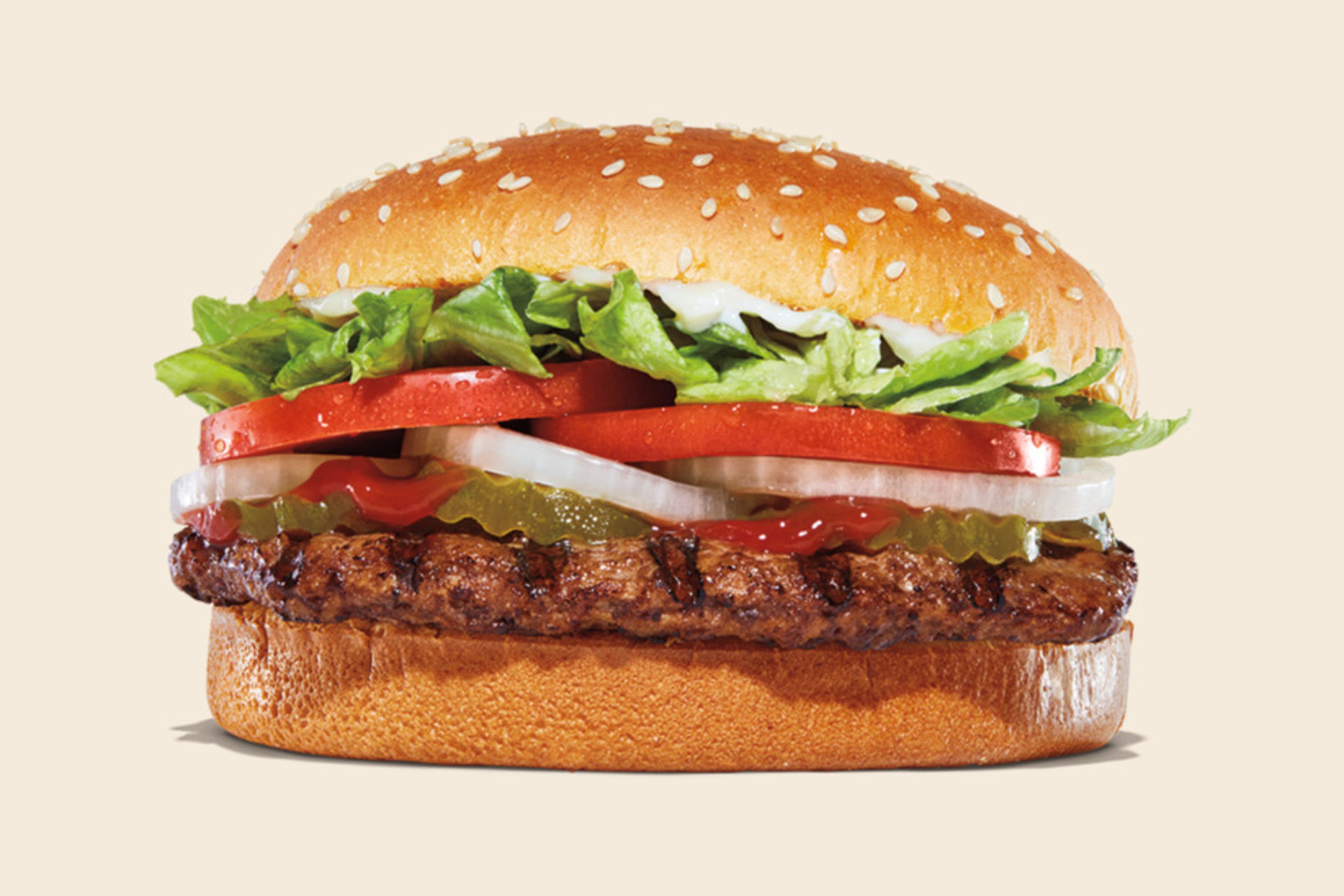
The primary target of this overhaul was the classic Whopper. Culinary teams adjusted everything from the bun supplier to the creaminess of the mayonnaise. Packaging also changed; moving from traditional paper wrappers to structured boxes helps trap heat and prevents the burger from getting crushed during transit.
These operational tweaks address long-standing consumer complaints about cold or sloppy food. When a customer receives a hot, neatly packaged burger, trust in the brand increases, which directly supports the broader marketing narrative.
Value Tiers and Pricing Simplicity
Fast-food consumers face persistent menu inflation. To counter this, Burger King introduced streamlined value tiers, such as distinct pairing deals and price-anchored bundles.
- Clarity Over Confusion: Promos like multi-item mix-and-match tiers let buyers instantly calculate their total without decoding complicated fine print.
- Protecting Margins: Bundling value items encourages higher overall check sizes while still appealing to inflation-weary shoppers.
- Franchisee Alignment: Simplified promotions make it easier for franchise operators to execute orders consistently across thousands of locations.
This straightforward pricing model stands in stark contrast to overly intricate loyalty app requirements that frustrate casual buyers.
Operational Execution and Franchise Health
A corporate strategy only works if individual restaurant operators can execute it smoothly. In past years, bloated menus slowed down drive-thrus and strained kitchen staff.
Burger King's recent operational playbook emphasizes item rationalization. By cutting underperforming products, kitchens gain the capacity to execute new promotional items cleanly. Furthermore, remodels funded partly through corporate incentive programs are modernizing dining rooms and installing updated digital menu boards.
According to Restaurant Brands International, these combined efforts have yielded stronger comparable store sales, helping the chain regain ground in a crowded market.
Frequently Asked Questions
What sparked Burger King's recent menu strategy changes?
The shift stems from a multi-year turnaround effort aimed at reversing declining traffic, simplifying kitchen operations, and addressing customer complaints regarding food quality and temperature.
How do fan-inspired burgers get selected?
Through digital engagement platforms, customers submit flavor combinations and vote on concepts. Winning ideas are refined by corporate culinary teams for nationwide or regional test markets.
Are these new menu items permanent additions?
Most seasonal or co-created items, such as specialty Whopper variations, run as limited-time offers to generate buzz, while core quality improvements apply to permanent menu staples.
How does Burger King compete with value menus from rivals?
The brand focuses on simple, transparent multi-item pricing tiers that give customers predictable choices without requiring complex digital coupons.