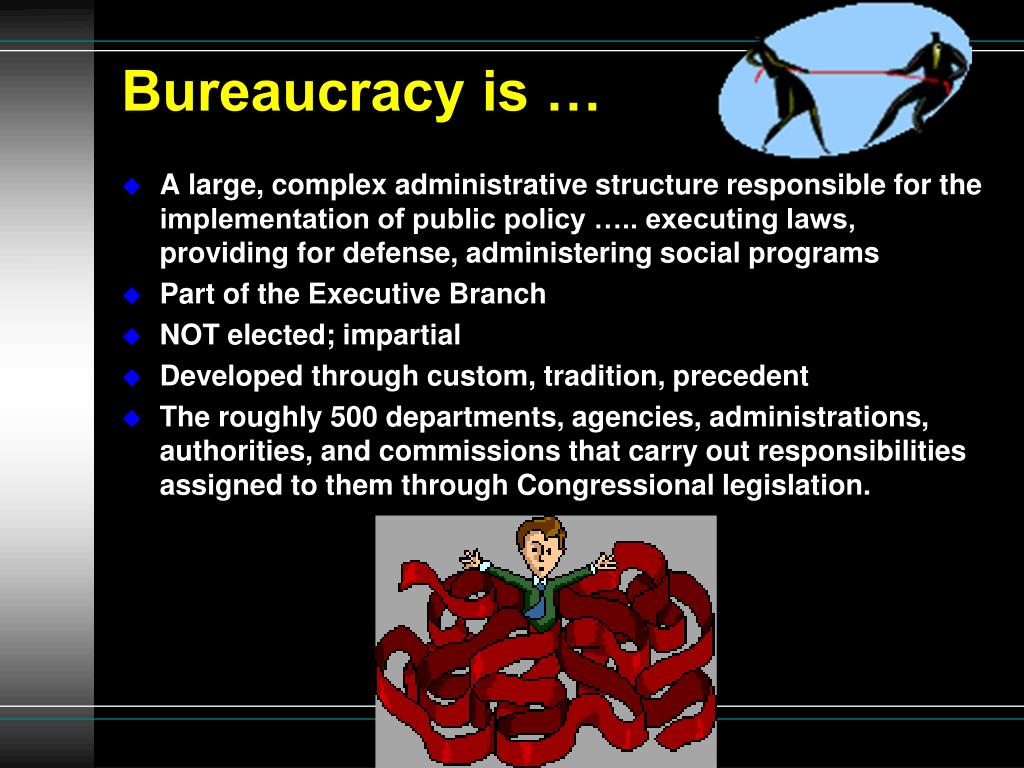
Administrative structures dictate how modern institutions handle scale, accountability, and power. At the center of this structural design is bureaucracy theory, a framework developed to explain how large organizations maintain order through rigid lines of authority. Without a predictable administrative framework, institutions risk descending into chaos, nepotism, and operational inefficiency.
Max Weber, a German sociologist, introduced this model to replace traditional systems driven by personal loyalty or charisma. He argued that rational-legal authority, fixed jurisdictions, and layered supervision provide the highest degree of technical efficiency. Yet, decades after its introduction, administrative hierarchy remains a double-edged sword, praised for its stability and condemned for its stiffness.
Core Pillars of Bureaucratic Management
Max Weber's model relies on specific structural characteristics that separate rational institutions from informal groups. Every functioning bureaucracy utilizes these core elements to maintain control over daily operations.
- Hierarchical Authority: A vertical chain of command where every lower office is controlled and supervised by a higher one. Responsibility flows downward, while appeals and accountability flow upward.
- Division of Labor: Tasks are broken down into specialized roles. Workers focus strictly on their designated domain, which increases technical proficiency but limits cross-functional flexibility.
- Formal Rules: Standard operating procedures govern every decision. Written regulations ensure that similar cases receive identical treatment, minimizing personal bias.
- Impersonality: Official interactions remain detached from personal feelings. Officials enforce laws and policies based on objective criteria rather than individual friendships or emotional ties.
- Merit-Based Selection: Employment and promotions rely strictly on technical qualifications, examinations, or certified training rather than political patronage.
These pillars create a stable environment where operations run predictably, regardless of who holds a specific seat. For a deeper look at institutional standards, review the OECD Public Governance Guidelines.
The Mechanics of Administrative Hierarchy
An administrative hierarchy serves as the nervous system of large institutions, such as government agencies, universities, and multinational corporations. Authority is distributed based on rank, meaning decision-making power concentrates at the top while execution happens at the bottom.
[ Executive / Senior Leadership ] -> Sets broad policy and strategic direction
       |
[ Middle Management ]             -> Translates policy into operational rules
       |
[ Frontline Workers ]             -> Executes routine, specialized tasks
This tiered structure clarifies who holds the power to issue commands and who bears the duty of compliance. When a frontline worker encounters an unusual situation, the hierarchy provides a clear escalation path. They don't have to guess who possesses final authority; the chain of command dictates the routing.
However, this vertical layering introduces friction. As information travels upward through multiple layers of management, it can get filtered, delayed, or distorted. By the time executive leadership receives a report from the ground level, the operational reality may have already shifted.
Structural Strengths: Why Bureaucracy Survives
Critics often paint bureaucracies in a negative light, but organizations adopt these structures because they solve specific operational challenges at scale.
- Predictability and Consistency: When rules are written down and strictly enforced, stakeholders know what to expect. Two citizens applying for the same permit face the exact same requirements.
- Protection Against Corruption: Meritocratic hiring and impersonal rule enforcement strip away opportunities for nepotism and bribery. Jobs belong to the office, not the individual.
- Massive Scalability: Coordinating tens of thousands of workers requires standardized processes. Bureaucracy turns complex collective efforts into a repeatable machine.
According to historical analyses from institutions like the Library of Congress, the rise of administrative states during the industrial revolution was entirely dependent on these structural breakthroughs to manage expanding municipal and economic services.
Institutional Failures and Pathologies
Despite its strengths, bureaucracy theory comes with well-documented systemic risks. Robert Merton identified bureaucratic ritualism, a phenomenon where adherence to rules becomes more important than achieving the actual organizational goal. Employees protect themselves by following protocol blindly, even when the protocol actively harms the customer or project.
Rule is Created -> Rule Becomes Custom -> Rule Becomes Goal -> Outcome is Ignored
Other common pathologies include:
- Red Tape: Excessive paperwork and multi-layered approval gates that slow simple processes to a crawl.
- Siloed Communication: Departments focus solely on their narrow domain, refusing to cooperate or share data with adjacent teams.
- Inertia: Large hierarchies resist change. Altering a standard operating procedure requires consensus across multiple management layers.
Practical Steps for Managing Hierarchy
If you lead or operate within a hierarchical organization, you can mitigate its natural flaws without destroying its stability.
- Audit Standard Operating Procedures: Review existing rules annually. Strip out legacy requirements that no longer serve a clear purpose.
- Delegate Decision-Making: Push operational authority down to frontline workers where possible, reducing the number of sign-off layers required for routine tasks.
- Establish Cross-Functional Channels: Break down departmental silos by creating temporary project teams that cut horizontally across the vertical hierarchy.
- Reward Outcome Over Compliance: Measure employee success based on the value delivered to clients or the public, rather than strict, unthinking obedience to routine.
Frequently Asked Questions
What is the primary purpose of an administrative hierarchy?
An administrative hierarchy organizes a large workforce into clear levels of authority. It establishes who gives orders, who ensures compliance, and how accountability is distributed across the institution.
How does Max Weber define impersonality in bureaucracy?
Impersonality means that officials execute their duties based on objective rules and technical criteria rather than personal emotions, biases, or favoritism. Every case is treated uniformly.
Why do bureaucratic systems become slow and inefficient?
As organizations grow, they add management layers to maintain control. Each extra layer introduces more approval gates, communication delays, and risk aversion, commonly experienced as red tape.
Can a private corporation be a bureaucracy?
Yes. While the term is often associated with government agencies, any large corporation with specialized departments, middle management, and formal human resource policies operates on bureaucratic principles.