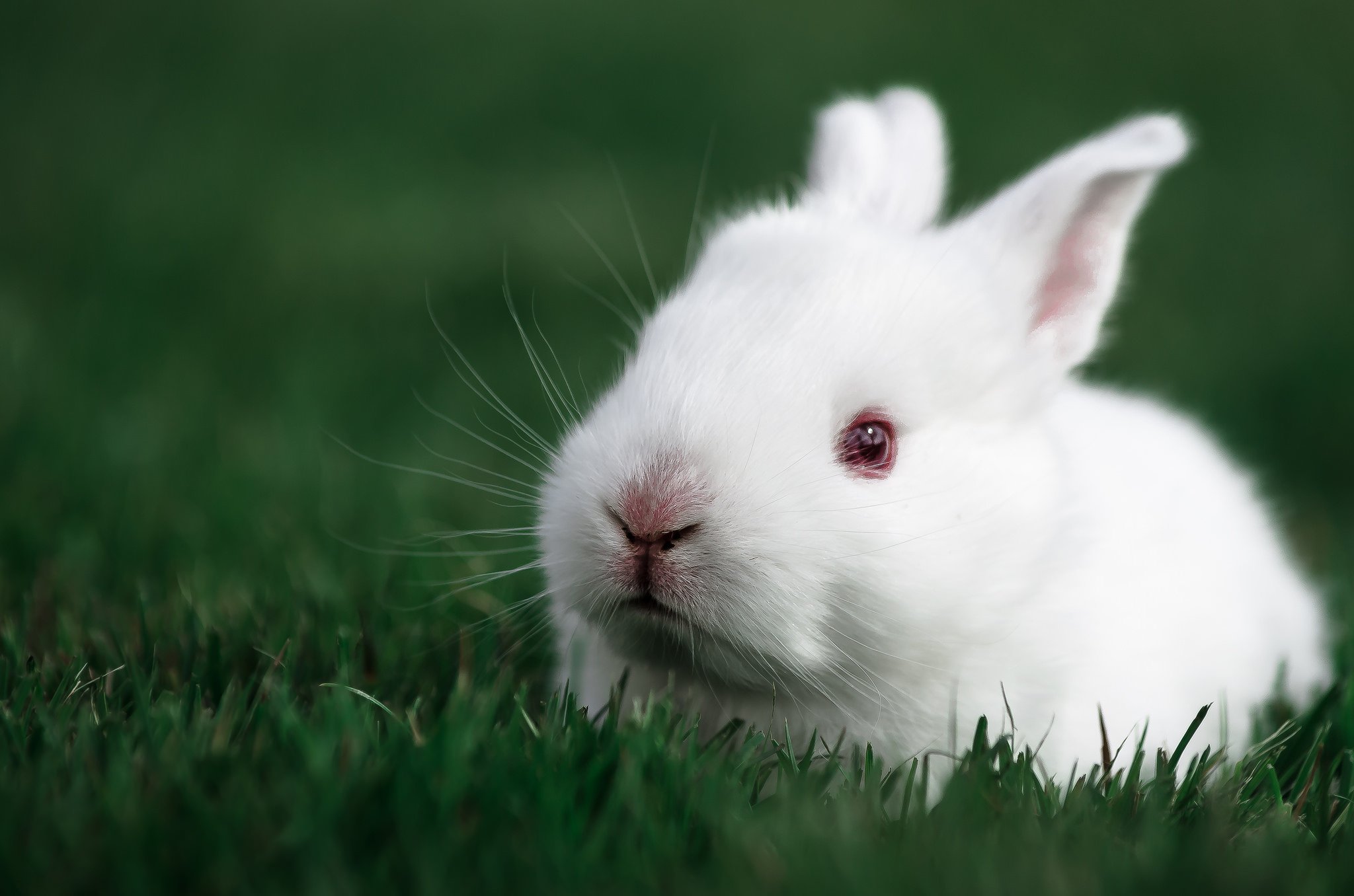
The bunny kissing GIF has quietly become a universal shorthand for warmth, platonic affection, and playful tenderness across digital messaging platforms. When words feel too heavy or too brief, a looping animation of two rabbits gently bumping noses or leaning into each other bridges the gap. It's a visual language built on softness, bypassing the friction of text to deliver immediate emotional resonance.
Understanding why these specific animations capture our attention requires looking beyond their surface cuteness. They tap into deep psychological responses, serve as cultural markers in modern texting etiquette, and reflect how internet communication has evolved from crude text-based emoticons into rich, emotionally nuanced multimedia shorthand.
The Appeal of Animal Animations in Texting
Human communication relies heavily on tone, pacing, and facial expressions—elements that vanish entirely in a plain text message. While emojis help bridge this gap, they remain static and often ambiguous. A short, looping animation introduces kinetic life, subtle movement, and precise emotional framing.
Rabbits occupy a unique space in popular culture. Associated with gentleness, quiet vulnerability, and harmless curiosity, they disarm the viewer instantly. When two rabbits interact affectionately, it triggers an innate empathetic response. We don't analyze the physics of the animation; we absorb the feeling of closeness it projects.
- Immediate Softening: Dropping a cute animation into a tense or neutral conversation immediately shifts the emotional temperature.
- Low-Stakes Affection: Sending a physical hug or a direct expression of love can sometimes feel intimidating; a cute GIF outsources the vulnerability to a charming character.
- Universal Readability: Across different age groups and cultural backgrounds, the gesture of two creatures touching noses translates instantly as care and comfort.
According to digital communication studies published by groups like the Pew Research Center, visual media heavily shapes how internet users negotiate tone, empathy, and social bonding in daily messaging.
Evolution from Niche Reaction to Mainstream Shorthand
Animated graphics have come a long way since the early days of dial-up internet forums and GeoCities pages. In the late 1990s and early 2000s, early web loops were clunky, pixelated novelties used mostly for website decoration or sarcastic reaction images on message boards like Reddit.
Over time, high-speed mobile internet and dedicated keyboards integrated directly into messaging apps changed everything. Platforms like Tenor and Giphy transformed looping clips from niche forum assets into searchable, indexed emotional currency.
- Phase One: Early forums used static image macros and low-resolution pixel art to convey simple reactions.
- Phase Two: The rise of Tumblr and early Twitter popularized short video clips capturing specific emotional beats from movies and anime.
- Phase Three: Modern messaging apps integrated instant GIF search bars, turning these animations into conversational punctuation marks used millions of times daily.
As the internet matured, users actively sought alternatives to cynical or sarcastic humor. The explosion of wholesome meme pages and cute animal content created fertile ground for gentle animations to thrive.
Psychological Drivers Behind Cute Culture
The obsession with cute media isn't just a quirky internet habit; it's a well-studied psychological phenomenon. Ethologist Konrad Lorenz first proposed the concept of Kindchenschema (baby schema), suggesting that facial features like large eyes, round heads, and small noses trigger innate caretaking instincts in humans.
When we look at a bunny kissing GIF, these visual triggers activate the brain's reward pathways, releasing a small hit of dopamine. This reaction lowers stress and fosters feelings of warmth. In an era where digital spaces often feel combative, stressful, or hyper-commercialized, seeking out micro-doses of comfort becomes a subconscious coping mechanism.
- Empathy Projection: Viewers project their own feelings of affection onto the animated animals, using them as avatars for their real-world relationships.
- Stress Reduction: Brief exposures to soft, comforting visual stimuli can lower heart rates and provide a momentary mental reset during a busy workday.
- Safe Bonding: Sharing wholesome content acts as a low-risk social signal, telling friends or partners that you're thinking of them without demanding heavy emotional labor in return.
How Different Platforms Shape Usage
Where you deploy a digital gesture changes its meaning entirely. The context of a messaging app differs vastly from public social feeds or gaming chatrooms, and users adapt their habits accordingly.
In private direct messages on platforms like WhatsApp or Apple Messages, these animations function as intimate greetings or soft apologies. They say, "I'm checking in," or "We're okay," without requiring a long paragraph of text.
On public feeds or community Discord servers, however, they often serve as community bonding rituals. Members of specific fandoms or gaming groups might use custom-edited versions featuring their favorite characters, turning a general symbol of affection into an inside joke that reinforces group identity.
Common Mistakes When Using Affectionate GIFs
Even a simple digital gesture can miss the mark if context isn't considered. Here are a few pitfalls to avoid when sharing cute media in professional or personal spaces:
- Misreading the Room: Dropping an aggressively cute animal animation into a serious or professional crisis management chat looks tone-deaf and unprofessional.
- Overuse: Relying solely on loops instead of actual words can make communication feel hollow or evasive over time. Balance visual shorthand with genuine written dialogue.
- Ignoring Platform Etiquette: Some corporate Slack environments discourage heavy media spam in core workflow channels. Keep the cute animations restricted to watercooler channels or direct messages where they are welcomed.
Frequently Asked Questions
Why are rabbits used so often in affectionate GIFs instead of other animals?
Rabbits combine soft physical textures, expressive ears, and a reputation for gentleness. Unlike predatory animals or high-energy pets like dogs, rabbits project a serene, quiet vulnerability that makes displays of affection feel tender and peaceful.
Are these loops copyrighted, or can anyone share them freely?
Most casual sharing through built-in keyboard search engines falls under platform distribution agreements. However, if you are publishing commercial content, creating merchandise, or editing clips for monetized videos, you should verify the original creator's licensing terms.
How do GIFs differ from standard emojis in digital communication?
Emojis act like punctuation marks, adding tone to a sentence. GIFs function more like mini-scenes or emotional punchlines, carrying a narrative arc, visual context, and kinetic energy that static icons cannot replicate.
Can using cute media in texts genuinely improve relationships?
Yes, in moderation. Small, low-pressure gestures of affection show consistency and care, reminding partners or close friends that they are on your mind throughout a busy day.



