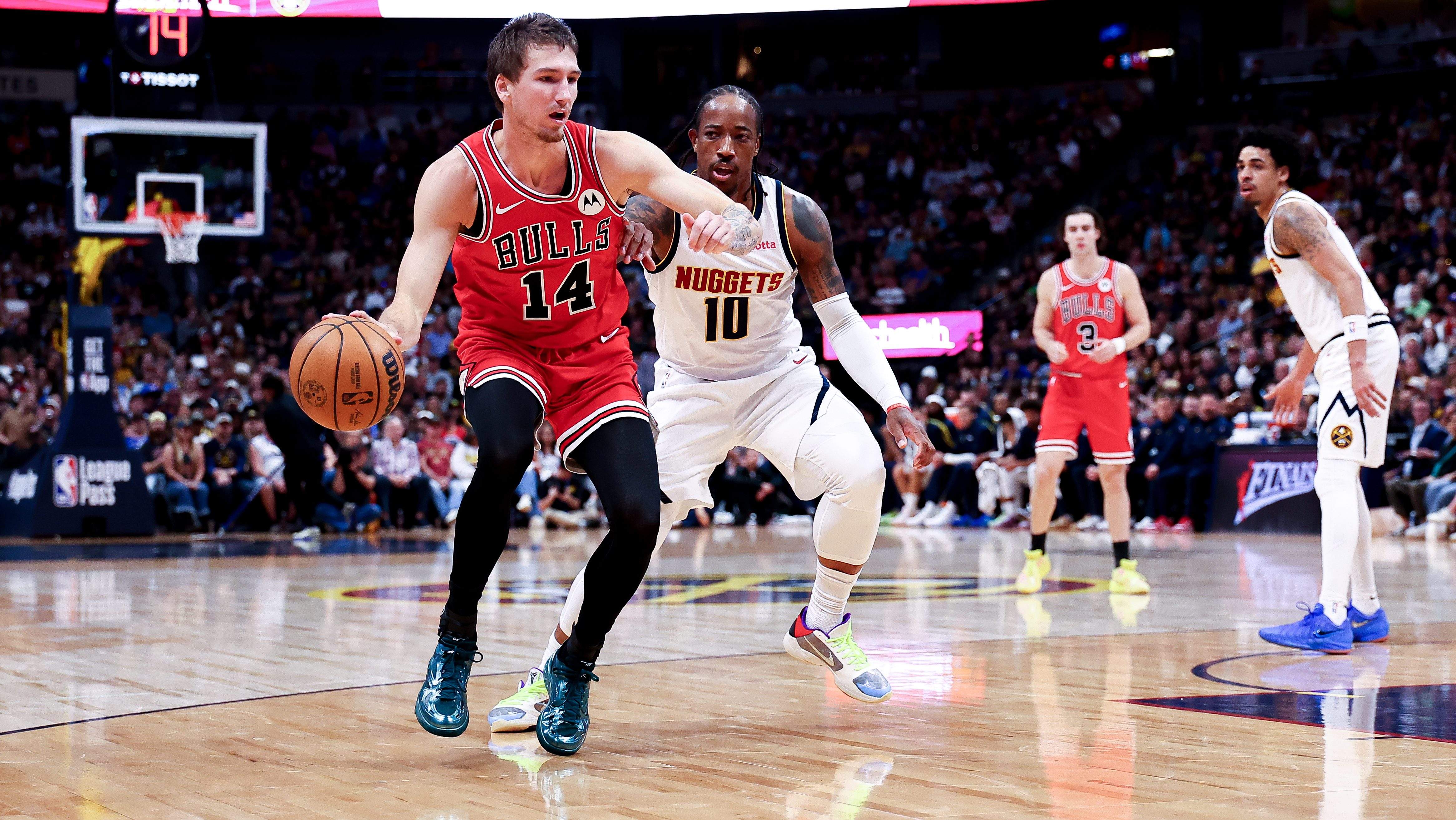
The Bulls vs Pacers rivalry remains one of the most fiercely contested matchups in the Eastern Conference, driven by geographic proximity, postseason battles, and divisional familiarity. While media narratives often lean on flash-in-the-pan storylines, the true roots of this Central Division clash lie in decades of physical basketball, high-stakes playoff series, and the constant battle for Midwest supremacy.
Understanding this matchup requires looking past surface-level roster changes and examining how the Chicago Bulls and Indiana Pacers built their competitive identity. From iconic postseason clashes in the 1990s to modern tactical adjustments, this rivalry endures because both franchises continually cross paths when stakes are highest.
Historical Roots: The 1990s Foundation
The animosity between Chicago and Indianapolis didn't start yesterday. During the 1990s, both franchises established themselves as powerhouses in the Central Division. While the Chicago Bulls claimed six NBA championships under Phil Jackson and Michael Jordan, the Indiana Pacers proved to be their most stubborn thorn in the Eastern Conference.
Led by sharpshooter Reggie Miller and physical frontcourt players like Dale Davis and Rik Smits, the Pacers pushed the Bulls to the brink on multiple occasions. The defining chapter of this era culminated in the 1998 Eastern Conference Finals. To read more about the background of this, Associated Press provides an in-depth breakdown.
The series went the full seven games, testing every ounce of Chicago's championship resolve. Indiana's suffocating defense and Miller's clutch shooting forced the Bulls into uncomfortable territory before Chicago ultimately prevailed in Game 7. That series set a high-water mark for the rivalry, establishing a standard of gritty, defense-first basketball that fans in both states still expect whenever these teams step on the court.
Geographic Proximity and Fan Culture
Geography plays an understated role in fueling the fire. Separated by a relatively short drive down I-65 and I-90, Chicago and Indianapolis share a border that translates directly to opposing fan bases mingling in arenas.
When the Bulls visit Gainbridge Fieldhouse or the Pacers travel to the United Center, the atmosphere carries a different weight than a standard inter-conference game. Large pockets of visiting fans travel well for this matchup. This geographic closeness creates a natural rivalry that transcends regular-season standings, turning divisional games into hostile territory for whichever team happens to be on the road.
Modern Roster Dynamics and Tactical Adjustments
Fast-forwarding to contemporary matchups, the tactical chess match between the two coaching staffs dictates the flow of the game. The modern Chicago Bulls typically lean into isolation scoring, mid-range shot-making, and wing athleticism, while the Indiana Pacers emphasize an up-tempo, pace-and-space philosophy designed to push the transition game to its absolute limit.
Pushing Pace Versus Half-Court Execution
- Indiana's Transition Game: The Pacers thrive when they turn defensive rebounds and steals into quick outlet passes, forcing opponents into chaotic, high-possession games.
- Chicago's Half-Court Control: The Bulls prefer slowing down the tempo, utilizing pick-and-roll sets to find open looks in the mid-range and attacking the paint through driving guards.
When these contrasting styles collide, the team that dictates the pace usually wins. If Indiana turns the game into a track meet, Chicago's defense often stretches thin. Conversely, if the Bulls bog the game down in half-court execution, the Pacers struggle to generate clean looks from beyond the arc.
Key Factors That Decide the Matchup
Several tactical elements regularly swing the outcome of Bulls and Pacers games:
- Rebounding Margins: Because both teams feature athletic frontcourts, second-chance points often prove decisive in tight fourth quarters.
- Three-Point Variance: Modern basketball lives and dies by the perimeter. Whichever team hits their spot-up threes usually builds the cushion needed to withstand late runs.
- Turnover Battles: Transition-heavy teams like Indiana punish live-ball turnovers instantly, meaning Chicago must value possessions to avoid easy fast-break points.
Frequently Asked Questions
Why is the Bulls and Pacers matchup considered a rivalry?
The rivalry stems from geographic proximity in the Midwest, intense divisional matchups throughout the 1990s, and frequent battles for playoff seeding in the Eastern Conference.
Who won the 1998 Eastern Conference Finals between Chicago and Indiana?
The Chicago Bulls defeated the Indiana Pacers 4-3 in a grueling seven-game series during the 1998 Eastern Conference Finals before winning their sixth NBA title.
How do their playing styles differ?
The Pacers typically focus on high-pace, transition-heavy offense and three-point volume, whereas the Bulls often favor half-court execution, ball movement, and mid-range scoring efficiency.
Do these teams play in the same division?
Yes, both teams play in the Central Division of the NBA's Eastern Conference, meaning they face each other four times during every regular season.


