When international food safety authorities flag a viral product, panic spreads fast online. That is precisely what happened when regulatory warnings hit global headlines regarding South Korea's famous spicy instant ramen. If you love fiery noodles, you likely wondered whether your pantry stash was safe to eat or if a major health crisis was unfolding.
The core issue centered not on bacterial contamination or manufacturing flaws, but on extreme levels of capsaicin. Understanding what triggered these regulatory actions helps separate real safety measures from internet exaggeration. Here is a look at what actually happened during the incident and what it means for consumers.
The Trigger Behind the Regulatory Action
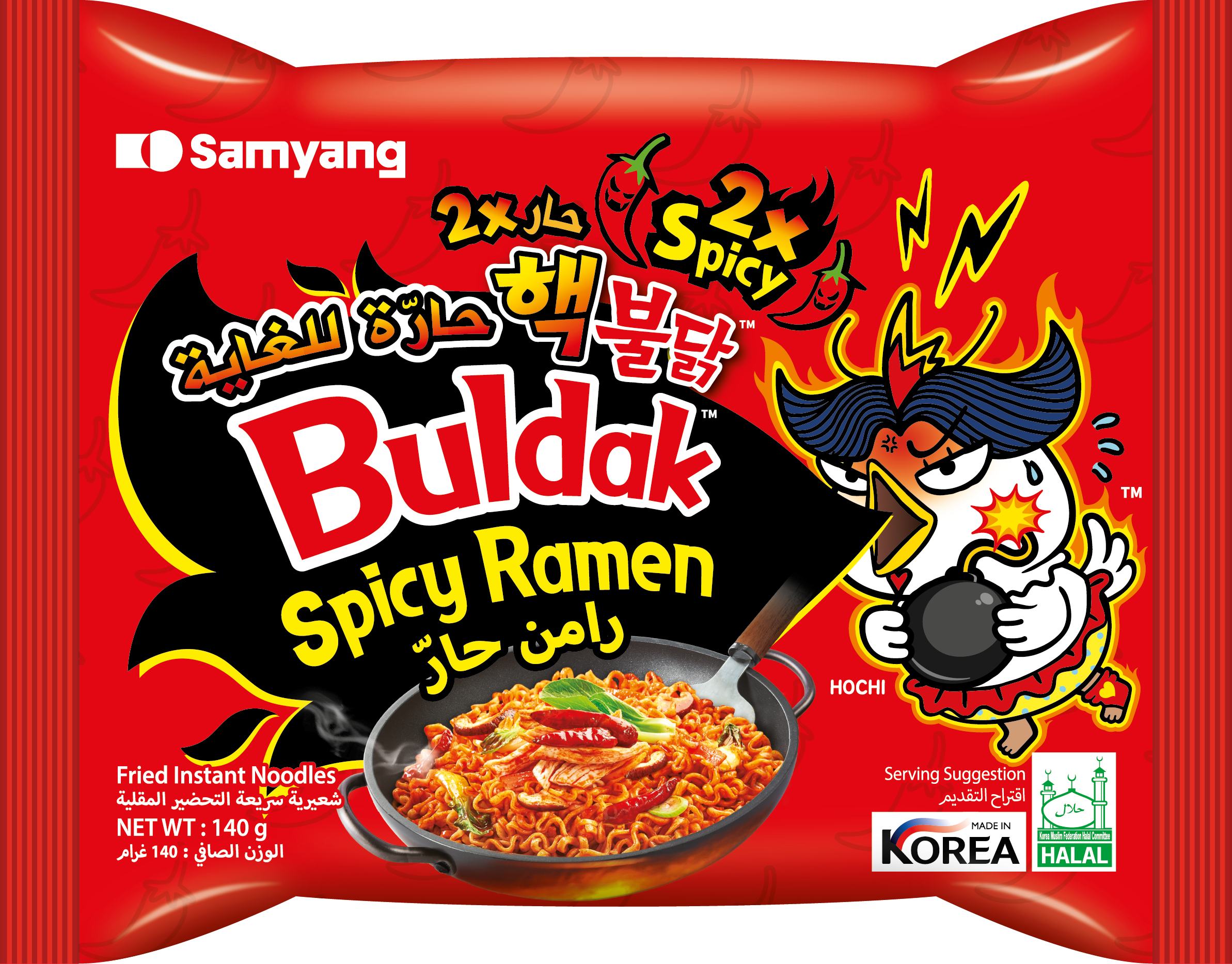
The controversy began when food safety regulators in Denmark took direct action against specific varieties of Samyang Foods products. Officials pulled three distinct ultra-spicy items from shelves: Buldak 2x Spicy Hot Chicken, Buldak 3x Spicy Hot Chicken, and Buldak Hot Chicken Stew.
The Danish Veterinary and Food Administration issued a blunt warning. They claimed that the concentration of capsaicin in a single packet was so high that it posed a risk of acute poisoning for consumers. Capsaicin is the active chemical compound in chili peppers that creates the burning sensation.
When measured, the chili extract levels in these specific ultra-spicy variants pushed past standard thresholds used by European regulators for routine food products. Consequently, authorities recommended that citizens discard the items or return them to the place of purchase. This triggered a massive wave of global media coverage, social media panic, and viral speculation about toxic ingredients.
Examining the Capsaicin Controversy
Capsaicin safety thresholds vary wildly across different global markets. While traditional local cuisines in many countries incorporate extreme heat, packaged goods distributed via mass retail channels must adhere to standardized safety baselines.
Regulators in Denmark argued that an unsuspecting consumer eating a full bowl of the 2x or 3x spicy variants could experience severe adverse health effects. Symptoms of acute capsaicin overload include burning pain in the mouth, nausea, vomiting, and temporary spikes in blood pressure.
However, food safety authorities in other nations reviewed the exact same data and reached entirely different conclusions. For example, food safety agencies in New Zealand and other jurisdictions evaluated the product batch reports and determined that a general product recall was unnecessary. They noted that while the products are undeniably fiery, they do not present a systemic toxicological hazard when consumed normally by healthy individuals who choose spicy food.
Samyang Response and Re-Evaluation
Samyang Foods cooperated fully with international regulators while defending the safety and quality standards of their global manufacturing plants. Company representatives pointed out that these products are exported to dozens of countries worldwide and have been safely consumed by millions of fans participating in online spicy food trends.
Following initial discussions, further laboratory testing and heat recalculations led Danish authorities to lift restrictions on some of the questioned variants. The brand clarified that the temporary halt was driven by an overly cautious interpretation of total capsaicin content per package rather than a foreign contaminant, chemical poison, or manufacturing defect.
You can read more about product standards directly on the Samyang Foods Official Site. For broader regulatory context on imported goods, check guidelines provided by the U.S. Food and Drug Administration.
Common Misconceptions About the Incident
Viral internet culture often distorts facts, turning localized regulatory debates into sensationalized health scares. Several persistent myths emerged during the news cycle.
- It was not a disease outbreak: Unlike typical food recalls triggered by salmonella, E. coli, or foreign objects like glass shards, this event involved a natural plant extract concentration.
- Regular flavors were unaffected: Standard carbonara, cheese, and original chicken flavors were never part of the regulatory action. Only the extreme high-heat variants faced scrutiny.
- No widespread illness reports: Despite billions of packets sold globally over the years, regulators acted out of preventive caution regarding maximum spice limits rather than an influx of hospitalized patients.
Frequently Asked Questions
Are Samyang Buldak noodles safe to eat now?
Yes. Standard varieties and re-evaluated lines remain available globally. If you tolerate very spicy food well, normal consumption poses no unique chemical risk outside of the expected heat load.
Which specific flavors faced regulatory scrutiny?
The primary focus stayed on the ultra-spicy line extensions, specifically the 2x Spicy Hot Chicken flavor, the 3x Spicy Hot Chicken variant, and the Hot Chicken Stew type.
Do these noodles cause long-term health damage?
Like most instant ramen products, they feature high sodium levels and processed additives. Eating them frequently as part of a balanced diet is not recommended, but occasional consumption does not cause toxic poisoning.
What should I do if I have older packages at home?
Unless your local national food safety authority issued a specific mandatory batch retrieval notice in your region, your packets are safe to consume or discard based on your personal spice tolerance.



