When Buddha-Bar New York opened its doors at 62 Thomas Street in Tribeca, it promised a revival of the high-octane global lounge culture that first captivated Paris in the late 1990s. Spanning two expansive stories in a former restaurant space, the venue traded quiet minimalism for theatrical excess. It aimed to merge upscale Pan-Asian dining with hypnotic electronic music and heavy dose of mysticism. Yet, despite millions poured into design and projection mapping, the venue's journey in Manhattan proved tumultuous, ultimately culminating in its closure. Examining how this concept landed in New York reveals a fascinating study in modern hospitality, shifting consumer tastes, and the heavy price of scale.
The Global Phenomenon Meets Manhattan Real Estate
The original Buddha-Bar launched in Paris in 1996 by Raymond Visan, quickly evolving into an international lifestyle empire spanning hotels, spas, and restaurants. The brand built its reputation on a distinct formula: towering statues, ambient ethno-lounge compilations, and lavish dining rooms centered around spirituality-inspired opulence.
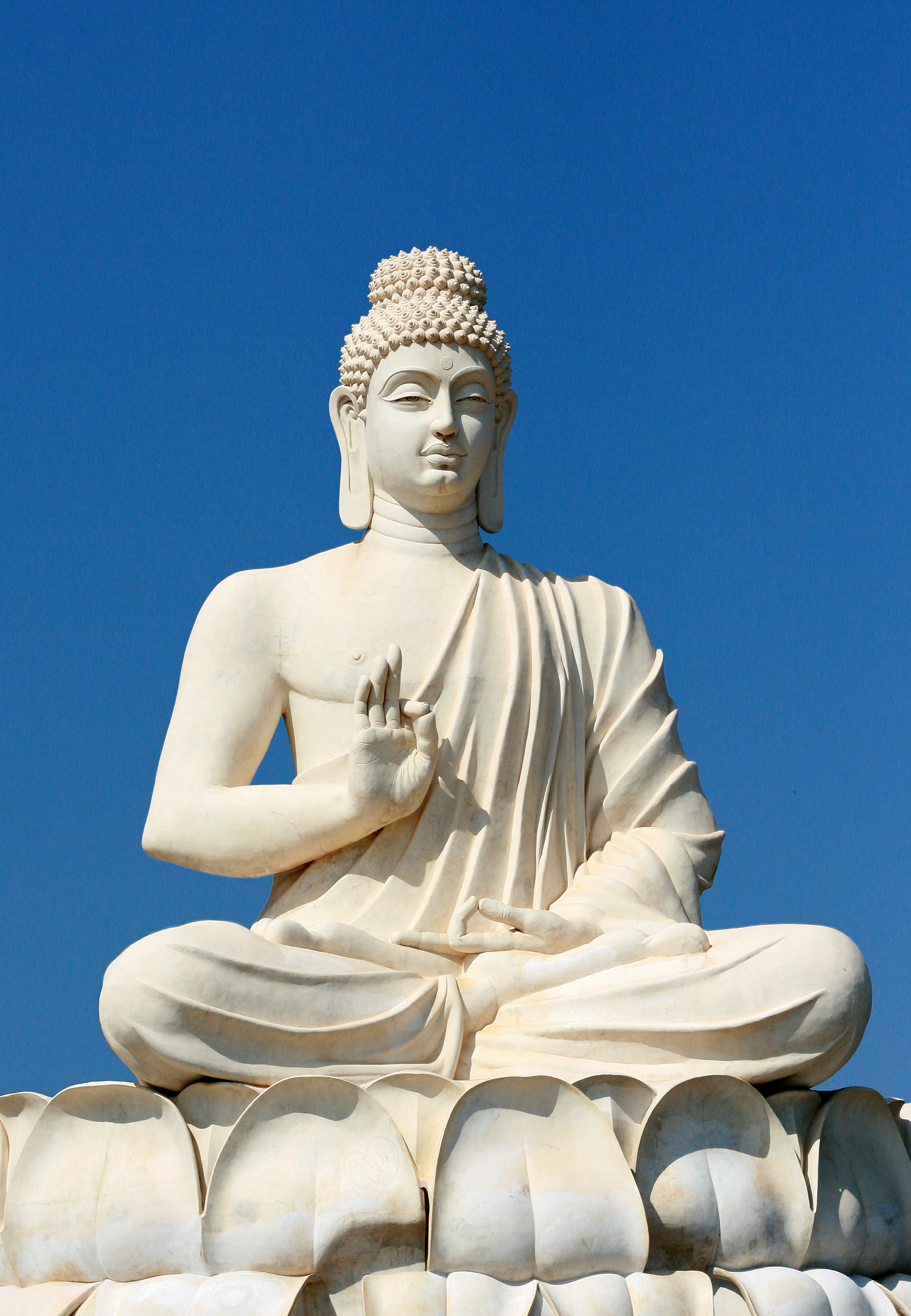
Bringing this concept to New York took years of planning. When the Tribeca location finally debuted, it occupied a massive footprint previously held by Megu, an upscale Japanese eatery known for its giant ice Buddha. Instead of replicating Paris verbatim, the New York iteration leaned heavily into contemporary digital architecture. The centerpiece of the room wasn't a static metallic sculpture. It was a multi-story parametric statue of Buddha brought to life through complex laser 3D projection mapping. This ephemeral sculpture shifted with light and shadow, representing the concept of reincarnation within the physical architecture of the room.
Architecture, Soundscapes, and Sensory Design
Walking into the space meant stepping away from standard Manhattan dining and entering a controlled environment designed to isolate guests from the city outside. The interior relied heavily on aged materials, dark woods, custom textiles, and moody lighting to create an intimate sanctuary.
Music served as the lifeblood of the operation. Rather than acting as background noise, a curated sequence of deep house, ambient beats, and world music dictated the rhythm of the evening. The sound system was engineered specifically to envelop every corner of the multi-level dining room without overpowering table conversations, creating a seamless bridge between a high-end restaurant and a late-night lounge.
The culinary program mirrored this maximalist aesthetic. The menu featured high-end Pan-Asian fusion dishes, blending sushi, robata grills, and contemporary seafood presentations. Plates were designed for sharing, catering to a clientele looking to spend an entire evening anchored to a single table that would eventually transition from dinner service to late-night bottle service.
The Operational Reality and Ultimate Closure
Despite the heavy investment in design, technology, and sound, maintaining momentum in New York City's hyper-competitive hospitality market proved difficult. Large-scale venues built around experiential dining face immense overhead costs, requiring constant table turns and high-spending crowds to remain viable.
Over time, shifting post-pandemic dining preferences in neighborhoods like Tribeca began favoring hyper-local, intimate bistros over massive, sprawling destination clubs. Operational friction and financial pressures mounted behind the scenes, leading to whispers within the local industry about the venue's long-term stability. By late 2025, the massive Thomas Street space was quietly put back on the market for lease, effectively closing the chapter on the brand's high-profile Manhattan run.
Frequently Asked Questions
Where was Buddha-Bar located in New York City?
The venue operated at 62 Thomas Street in the Tribeca neighborhood of Lower Manhattan, occupying the multi-level space formerly home to Megu.
What was the main design feature of the restaurant?
The focal point of the dining room was a multi-story parametric Buddha statue illuminated by custom 3D projection mapping designed to symbolize the concept of reincarnation.
Is Buddha-Bar still open in New York?
No. After operating as a restaurant and nightlife destination following its launch, the Tribeca location closed, and the physical space was listed for lease.
What kind of food and music did they feature?
The kitchen served high-end Pan-Asian fusion cuisine, including sushi, robata dishes, and shared plates. The atmosphere was defined by signature ethno-lounge and deep-house music curated to transition the room from dinner to lounge culture.