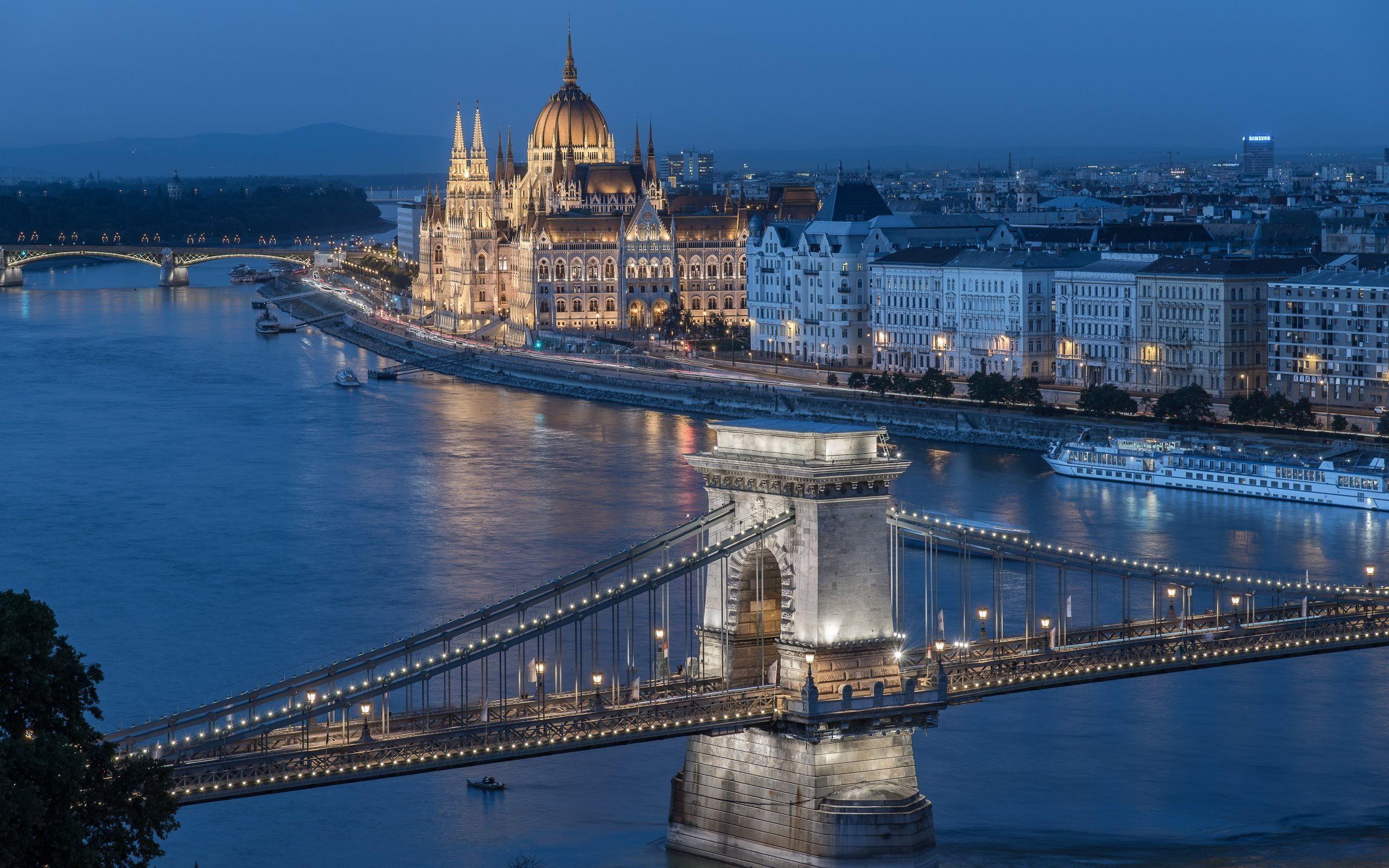
Budapest isn't just one city; it's a dynamic union of two distinct personalities split by the majestic Danube River. On the hilly western bank lies Buda, defined by medieval castles, cobbled alleys, and quiet residential lanes. On the eastern side stretches Pest, a flat, energetic grid packed with grand 19th-century architecture, eclectic ruin bars, and late-night culinary hubs. If you're planning a trip here, you're stepping into a capital that seamlessly blends a turbulent history with modern creative energy. Let's skip the fluff and dive straight into how to master this vibrant European hub.
Getting your bearings early saves you hours of backtracking. The city is divided into 23 official districts, but as a visitor, you'll spend most of your time in a handful of central zones. District V (Belváros) sits right on the Pest riverfront, housing high-end shopping streets and major monuments. District I covers the historic Castle District up on the Buda hills. Across the river, District VII (Erzsébetváros) serves as the historic Jewish Quarter and the epicenter of nightlife. Understanding these micro-regions keeps your itinerary tight and efficient.
Navigating Public Transit Like a Local
You don't need a rental car or endless taxi rides to see Budapest. The city operates one of Europe's most comprehensive public transport networks, managed by BKK, which includes four metro lines, extensive tram routes, and trolleybuses.
- The M1 metro line (the Millennium Underground) is the second-oldest underground railway in the world, operating since 1896 beneath Andrássy Avenue.
- Tram Line 2 runs right along the Pest riverbank, offering one of the cheapest and most scenic sightseeing routes in Europe as it passes directly beneath the Parliament building.
- Buses 16 and 16A provide direct access from Pest across the Chain Bridge straight up to the heart of the Castle District.
Tickets must be purchased and validated before you board or enter metro turnstiles. Plain-clothes ticket inspectors frequently monitor busy lines, and tourists who forget to validate physical tickets face steep on-the-spot fines. Grab a 24-hour or 72-hour travel card if you plan to hop around multiple districts in a single day.
Conquering the Buda Castle District
Perched high above the river, the Buda Castle Quarter demands at least half a day of dedicated exploration. You can ride the historic Funicular (Sikló) from Clark Ádám Square, walk up the scenic staircases from the riverside, or take the 16 bus right to the top.
Fisherman's Bastion offers the city's most famous panoramic views across the Danube toward the Parliament. Its fairy-tale white towers and stone arcades get overwhelmingly crowded by midday. Smart travelers arrive before 8:00 AM to experience the courtyards in complete peace while the morning light hits the limestone. Right behind the bastion stands Matthias Church, featuring a brilliantly colored geometric tile roof and an interior filled with royal history.
Beneath the limestone plateau, a vast labyrinth of subterranean caves and cellars stretches for miles. While parts of the Hospital in the Rock nuclear bunker museum offer a sobering look at twentieth-century military history, other cave systems require guided spelunking tours where you'll strap on a hard hat and explore the raw geological underbelly of the city.
Architectural Icons on the Pest Waterfront
Crossing back over to the Pest side reveals some of the most striking civic architecture on the continent. The Hungarian Parliament Building dominates the eastern riverbank. Completed at the turn of the 20th century, this neo-Gothic masterpiece features nearly 700 rooms and soaring spires. You can tour the interior to view the Hungarian Crown Jewels, but booking tickets weeks in advance is mandatory during peak season.
A short walk south along the river brings you to the Shoes on the Danube Bank memorial. Sixty pairs of period-accurate iron shoes line the stone edge, honoring the Jewish victims shot into the river during World War II. It's a quiet, devastatingly poignant spot that deserves a respectful pause.
Further inland, St. Stephen's Basilica anchors the downtown grid with its massive neoclassical dome. You can take an elevator or climb the stairs to the observation deck encircling the dome for a 360-degree view of the entire metropolitan basin. Inside the primary chapel, the cathedral houses Hungary's most unusual relic: the mummified right hand of King Stephen I.
Unwinding in the Thermal Bath Culture
No trip to Hungary's capital is complete without visiting its historic thermal baths. Sitting atop a fault line rich in mineral springs, Budapest has operated bathhouses since Roman times. Each bathhouse has its own distinct architectural style and social atmosphere.
- Széchenyi Baths, located inside City Park, is the largest medicinal bath in Europe. Its sprawling yellow neo-Baroque courtyards house massive outdoor thermal pools where locals play chess amidst rising steam even in winter.
- Gellért Baths, tucked into the foot of Gellért Hill, showcases stunning Art Nouveau interiors with turquoise mosaic tiles, stained glass, and marble columns.
- Rudas Baths offers an authentic 16th-century Turkish bath experience featuring an octagonal pool beneath a massive Ottoman dome, alongside a modern rooftop hot tub overlooking the Danube.
Bring your own flip-flops, towel, and a waterproof bag to save on rental fees at the entrance. If you plan to swim laps rather than soak, a rubber swim cap is strictly required in the designated lap pools.
Experiencing the Ruin Bar Phenomenon
When the sun sets, District VII comes alive through Budapest's legendary ruin bars. In the early 2000s, entrepreneurs began transforming abandoned, semi-derelict buildings and forgotten courtyards in the old Jewish Quarter into temporary pubs. They furnished them with mismatched vintage furniture, salvaged car parts, and eccentric modern art installations.
Szimpla Kert is the pioneer and the most famous of them all, a sprawling labyrinth of themed rooms, open-air courtyards, and quirky nooks where you can order drinks inside a retrofitted Trabant car. While Szimpla attracts heavy evening crowds, wandering the surrounding alleyways reveals dozens of smaller subterranean bars, open-air street food courts like Karavan, and hidden acoustic music venues.
Frequently Asked Questions
What currency should I use in Budapest?
Hungary uses the Hungarian Forint (HUF), not the Euro. While major restaurants and hotels accept credit cards everywhere, keep some physical cash on hand for small street food vendors, tipping, or older public transit ticket machines. Avoid airport currency exchange kiosks, as they carry notoriously high markups.
How many days do I need for a first visit?
Plan for at least four full days. This gives you two days to split between the historical sights of Buda and Pest, one full day to experience the thermal baths and museum spaces, and an extra day for neighborhood exploration or a quick day trip up the Danube Bend to towns like Szentendre or Visegrád.
Is Budapest safe for solo travelers?
Yes, Budapest is widely considered one of the safest capitals in Europe for solo and night-time travelers. Standard urban precautions apply: keep an eye on your belongings in crowded metro stations, use official taxi apps like Bolt rather than hailing unmarked cars off the street, and avoid overly aggressive promoters outside late-night venues.
What local food should I try beyond goulash?
While authentic Hungarian goulash (gulyás) is a must-try staple soup, look for lángos—a deep-fried flatbread topped traditionally with garlic butter, sour cream, and grated cheese. For dessert, track down kürtőskalács (chimney cake), a sweet spit-roasted dough pastry coated in cinnamon or crushed walnuts, or sample a multi-layered Dobos torte at a classic coffeehouse like Gerbeaud.



