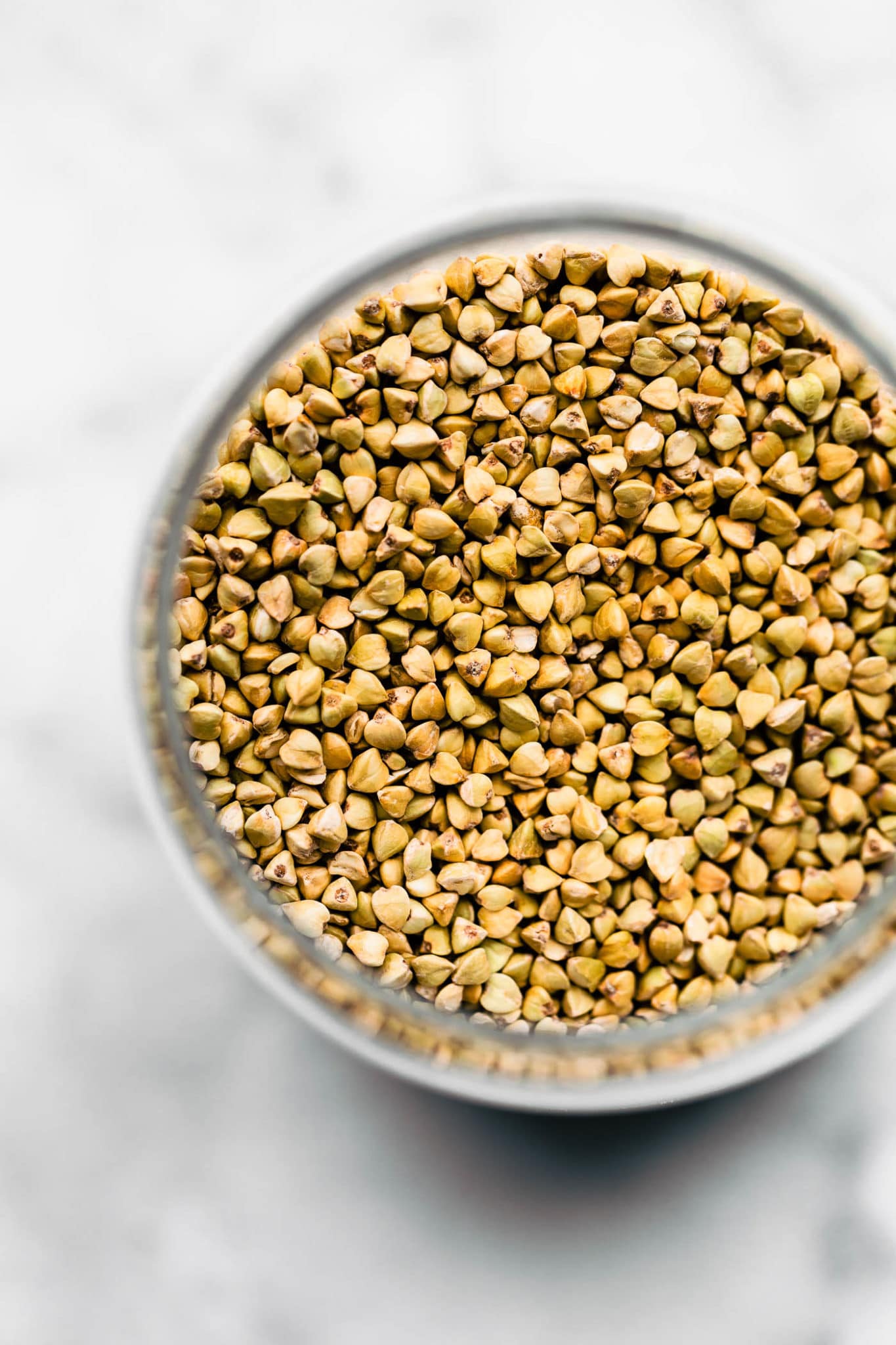
Buckwheat groats offer a rare combination of dense nutrition, low cost, and earthy flavor. Despite its misleading name, buckwheat contains no wheat and belongs to the pseudocereal family, making it naturally gluten-free and safe for celiac diets. It delivers complex carbohydrates, complete plant protein, and essential minerals without demanding a high grocery budget.
Beyond its physical nutrient profile, whole food advocates often highlight how simple, comforting meals like a warm bowl of buckwheat can anchor a stressful day. While food won't replace professional mental health care, preparing a nourishing, grounding meal acts as an accessible form of daily self-care that keeps grocery bills low.
Nutritional Superiority of Buckwheat Groats
Buckwheat stands out among pantry staples for its exceptional macronutrient breakdown. A standard 100-gram serving of cooked buckwheat provides roughly 13 grams of protein, featuring a complete amino acid profile that includes lysine, an amino acid often scarce in other grains.
- Complex Carbohydrates: Buckwheat has a low glycemic index, meaning it digests slowly and prevents sharp blood sugar spikes.
- Dietary Fiber: It contains both soluble and insoluble fiber to support regular digestion and cardiovascular health.
- Key Minerals: Each serving supplies substantial amounts of magnesium, copper, manganese, and iron.
Magnesium plays a critical role in muscle relaxation and nervous system regulation. Incorporating magnesium-rich whole foods into regular meals supports steady energy levels and overall physical resilience.
Economic Value: Price and Portability
Inflation has driven up the cost of trendy specialty items like quinoa and amaranth, but standard buckwheat groats remain remarkably affordable. Raw buckwheat typically costs between $1.80 and $2.50 per pound in standard grocery stores and bulk markets.
Buying in bulk further reduces the cost per serving. A single five-pound bag yields dozens of filling portions, making it one of the most cost-effective whole food bases available. It stores indefinitely in a cool, dry pantry, reducing food waste and protecting household food budgets against price volatility.
Culinary Versatility and Preparation Methods
Cooking buckwheat requires minimal equipment and time. The standard ratio is two cups of liquid to one cup of dry groats.
- Rinse: Rinse the raw groats in a fine-mesh strainer under cold water to remove any residual dust.
- Toast (Optional): Dry-toast the groats in a skillet over medium heat for three to five minutes until fragrant to deepen their nutty flavor.
- Simmer: Combine the groats with water or broth, bring to a boil, then reduce heat, cover, and simmer for 12 to 15 minutes until the liquid absorbs.
- Rest: Remove from heat and let it steam covered for five minutes before fluffing with a fork.
Cooked buckwheat holds its shape well, making it ideal for chilled grain salads, warm breakfast porridges with cinnamon and berries, or savory pilafs tossed with roasted vegetables and olive oil. Raw buckwheat flour can also be milled at home for pancakes and flatbreads.
Common Mistakes to Avoid
Cooking buckwheat is straightforward, but a few common missteps can ruin the texture.
- Overcooking: Simmering buckwheat too long turns it into a sticky paste. Keep a close eye on the timer once it hits a simmer.
- Skipping the Rinse: Unrinsed groats can release excess starch during cooking, resulting in an overly gummy texture.
- Ignoring Toasting: Skipping the brief dry-pan toast misses an opportunity to unlock a richer, deeper flavor profile.
Frequently Asked Questions
Does buckwheat contain gluten?
No. Buckwheat is entirely gluten-free. It is a seed from a broadleaf plant related to rhubarb and sorrel, making it safe for people with celiac disease or non-celiac gluten sensitivity.
How should I store uncooked buckwheat?
Keep raw buckwheat groats in an airtight container in a cool, dark, and dry pantry. Properly stored, they stay fresh for up to a year. Cooked buckwheat keeps safely in the refrigerator for up to four days.
Can buckwheat help lower blood pressure?
Buckwheat contains rutin, a potent bioflavonoid that strengthens blood vessels and supports healthy circulation. Regular consumption of whole grains rich in antioxidants is widely associated with better cardiovascular markers.
What does buckwheat taste like?
Buckwheat has a robust, earthy, and distinctly nutty flavor. Raw groats have a mild taste, while toasted groats (sometimes sold as kasha) offer a much bolder, toastier profile.



