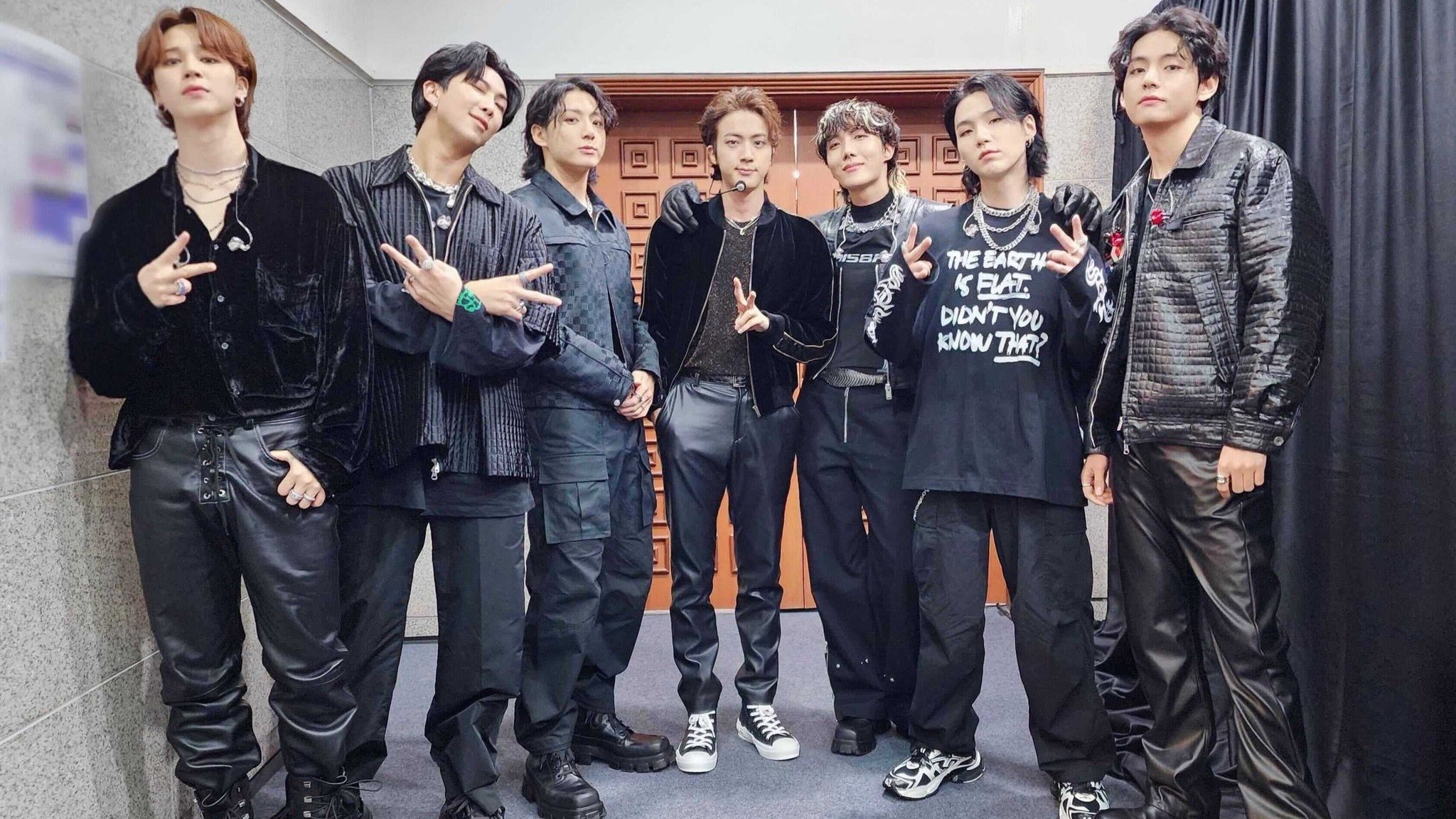
Award shows in the K-Pop industry rely on polished performances, but the unscripted audience reactions often steal the spotlight. When major groups gather, cameras lock onto idols to catch split-second facial expressions. Viral clips thrive on these candid moments, especially when veteran producers or label heads take the stage.
The intersection of BTS sitting in the audience and the signature theatricality of Park Jin-young (JYP) creates legendary internet lore. Fans love dissecting how artists respond to unexpected choreography, sheer shock value, and unbridled stage choices. This breakdown examines how these viral cultural crossover moments happen, why audiences latch onto them, and what makes these unscripted split-seconds endure across fandoms.
The Anatomy of an Unscripted K-Pop Award Show Reaction
Live broadcasts try to maintain a clean image, but K-Pop award ceremonies feature hours of seating where fatigue and genuine surprise slip through. Idols spend a long time in the arena, and human nature takes over.
- Camera Direction: Directors actively scan idol seating charts for shock, laughter, or confusion.
- The Filter Drop: Rookies and seasoned veterans alike occasionally forget the camera is rolling when a performance defies expectations.
- Fandom Archiving: Dedicated fan accounts clip, re-upload, and analyze micro-expressions within minutes of a live broadcast ending.
When major figures perform unconventional routines, the room's energy shifts instantly. Fandoms compare notes across groups, tracking how members from different agencies react to the same spectacle.
The JYP Factor: Bold Performances and Bold Choices
Park Jin-young has built a career on pushing boundaries, wearing statement outfits, and executing high-energy choreography that leaves viewers speechless. Whether it's transparent plastic pants or provocative stage collaborations, his appearances at events like the Mnet Asian Music Awards (MAMA) guarantee a reaction.
Other idols from different labels don't have to maintain professional courtesy toward a direct boss, which leads to completely unfiltered expressions of awe or bewilderment. Meanwhile, artists under JYP Entertainment often display a mix of loyalty and secondhand embarrassment, creating a fascinating psychological study in real-time audience dynamics.
Why Unfiltered Reactions Resonate With Fans
Clean, synchronized idol greetings are standard, but authenticity drives modern fan engagement. Viewers spot the difference between a polite, media-trained smile and a jaw-dropping moment of genuine surprise.
- Relatability: When an idol makes a face that mirrors what the viewer at home is feeling, it breaks the artificial barrier of celebrity.
- Meme Culture: Single frames become permanent internet fixtures, spawning reaction images used for years across social media platforms.
- Inter-Group Dynamics: Seeing members of BTS or other top groups laugh together at a broadcast feed humanizes them completely.
For more background on how the industry handles these large-scale collaborative events, check out insights from Koreaboo and industry deep dives on Soompi.
Common Misconceptions About Idol Reactions
Internet culture often exaggerates simple facial ticks into dramatic narratives. Understanding the reality behind these viral clips helps clear up common fan myths.
- The Feud Myth: Normal resting faces or tired expressions are often misconstrued as shade or dislike between artists.
- Staged Spontaneity: While some moments are organic, viewers occasionally assume every caught glance is planned for television drama.
- Out-of-Context Clipping: Shortened clips frequently strip away the seconds before and after an event, altering the true context of a laugh or gasp.
Most viral moments simply stem from fatigue, genuine confusion, or shared humor among peers who spend long nights together in crowded arenas.
Frequently Asked Questions
Why do K-Pop award show reactions go viral so often?
Fandoms monitor every camera angle during major year-end shows. Because idols spend hours reacting to diverse acts, natural human moments like yawning, laughing, or gaping at wild stage outfits inevitably get caught on tape.
Are idols allowed to show negative reactions on camera?
Idols are heavily media-trained to remain respectful, which makes genuine expressions of shock or confusion so valuable to fans. Most unexpected faces are interpreted as humor rather than disrespect.
Where can I watch authentic compilations of these moments?
Fans compile long-form reaction histories on platforms like YouTube, grouping clips by specific award years or recurring crossover interactions.
How do artists feel about their viral reaction memes?
Many idols have acknowledged their own memes during live broadcasts or fan meets, often laughing at themselves just as hard as the internet does.



