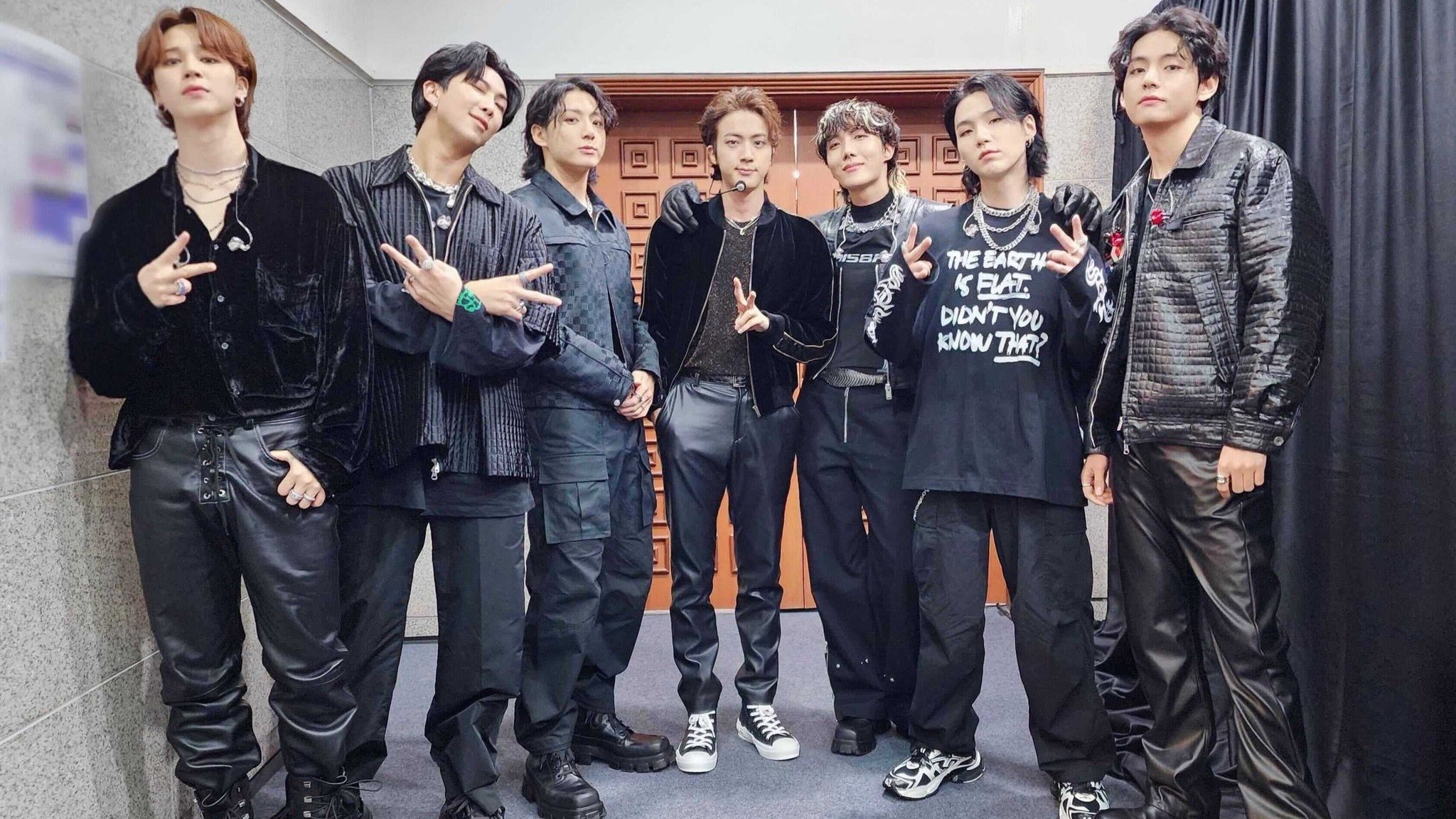
End-of-year award ceremonies represent the pinnacle of the K-pop calendar, and few events match the scale or cultural footprint of the Mnet Asian Music Awards (MAMA). When major groups gather, the audience seating area turns into a secondary stage. Artists watch their peers perform, leading to unscripted expressions, dropped jaws, and viral moments. Among all the groups that have graced the ceremony, BTS generated some of the most analyzed, replayed, and discussed crowd reactions in modern music history.
Understanding why these specific moments resonate requires looking past fan edits and examining how large-scale K-pop productions operate. This breakdown examines the primary keyword BTS MAMA Awards reactions, analyzing the mechanics of artist interactions, the production choices behind massive year-end stages, and the lasting impact of these live broadcasts on global fandom culture.
The Mechanics of Artist Reactions at Year-End Shows
Award show seating arrangements are rarely random. Broadcasters place groups in specific zones to optimize camera angles, maintain visual balance, and capture genuine interactions when a major act takes the stage.
When BTS performed landmark tracks at ceremonies like the Mnet Asian Music Awards, cameras frequently panned to fellow idols. These cuts served a dual purpose: they provided immediate validation of a performer's stage presence and fed the digital ecosystem with reaction clips that circulated across social media platforms within minutes.
- Peer Recognition: Rookies and senior groups alike often watched BTS sets with intense focus, studying complex choreography changes and live vocal stability.
- Camaraderie vs. Exhaustion: Long filming hours meant idols sat in formal wear for up to six hours, making genuine bursts of energy during high-intensity tracks stand out clearly.
- Fan Culture Amplification: Fancams captured wide-angle audience views that official broadcast feeds missed, allowing dedicated communities to track individual idol expressions song by song.
Iconic Stages and Unscripted Crowd Responses
The weight of a performance at events like Mnet Asian Music Awards often depended on the set design and narrative arcs built into the setlist. Over the years, BTS shifted from performing compact, high-tempo medleys to executing multi-chapter theatrical productions.
For instance, grand entrances involving large-scale props, cinematic VCRs, and extended dance breaks routinely caught both fans and seated artists off guard. When members executed difficult acrobatics or debuted unreleased remix arrangements, the physical reactions from the floor seats reflected genuine surprise. These unscripted responses became historical markers for specific eras, separating standard music show promotions from bespoke end-of-year spectacles.
How Broadcasters Capture the Room
Television directors rely on switcher operators who monitor multiple ISO cameras trained specifically on artist tables. During key kill-drops or high notes, the feed cuts instantly to audience reactions. This fast-paced editing style heightens the dramatic tension of the broadcast, ensuring viewers at home feel the collective energy inside the arena.
Production Scale: Concert vs. Award Show
As groups like BTS grew in popularity, the scale of their year-end performances expanded dramatically. This shift occasionally sparked debate within the broader K-pop community regarding time allocation and stage resources.
| Year-End Element | Standard Performance | Feature-Length Production |
|---|---|---|
| Duration | 3 to 5 minutes | 12 to 35+ minutes |
| Set Design | Minimal or standard LED graphics | Custom builds, multi-tier stages, hydraulic lifts |
| Arrangement | Original album track | Custom orchestra intros, heavy bass remixes |
| Audience Impact | Routine support | Complete room captivation |
While extended segments allowed headlining acts to showcase theatrical storytelling, they also transformed the event structure. The dynamic altered how seated artists experienced the night, shifting the atmosphere from a shared industry festival to a showcase anchored around specific powerhouse acts.
Common Misconceptions About Idol Interactions
Digital spaces are filled with speculation regarding how K-pop artists interact during televised events. Separating reality from internet myth requires examining standard industry practices.
- The "Feud" Narrative: Social media algorithms often push narratives of tension between fandoms or groups based on brief, out-of-context reaction cuts. In reality, most idols maintain professional and amicable relationships behind the scenes.
- Staged Reactions: While broadcasters occasionally ask artists to remain visible or clap during specific moments, genuine shock during complex physical stunts or sudden audio cue changes is authentic.
- Shipping Culture Exaggerations: Fancams are frequently mined by online communities to invent personal narratives between members of different groups, overshadowing the actual musical appreciation taking place.
For more context on the official history of these broadcasts, you can explore the Mnet Official Website or read archival reports via Billboard.
Frequently Asked Questions
Why do K-pop award show reactions get so much attention online?
Viewers enjoy seeing unscripted human moments in an industry heavily known for strict choreography and media training. Catching an idol singing along or looking genuinely stunned adds an element of spontaneity.
Did BTS perform longer than other groups at year-end shows?
During their peak touring and release years, major headliners like BTS frequently received extended time slots to perform narrative-driven mini-concerts, which occasionally drew commentary from fans of other groups regarding screen time distribution.
Are artist reactions during live broadcasts planned out?
The overall seating chart is organized by the network, but specific facial expressions and spontaneous interactions during performances are entirely unscripted.
Where can I watch full archival footage of past Mnet Asian Music Awards?
Official highlights, red carpet segments, and select stage performances are hosted on the Mnet K-POP YouTube Channel, though full broadcast licensing varies by region and year.



