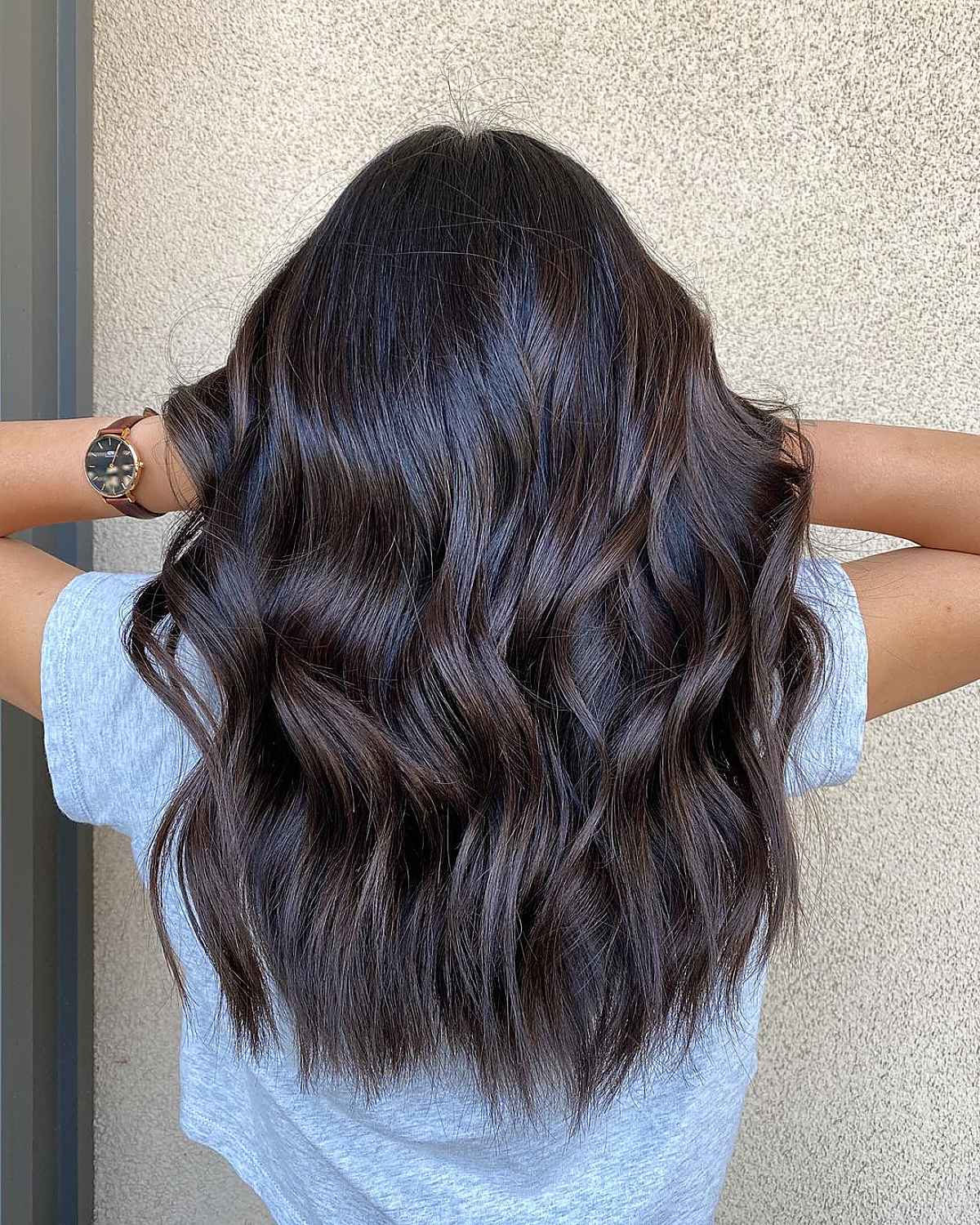
Getting the right blend of warmth and contrast takes more than dropping bleach over a box dye. Brown red hair with blonde highlights gives you a striking, multi-dimensional look that combines deep copper or auburn richness with bright, sun-kissed streaks. If you've been wondering how to pull this off without frying your strands or ending up with muddy orange tones, you're in the right place.
Balancing three distinct color families—brown, red, and blonde—requires a solid grasp of hair chemistry, precise placement, and proper maintenance. Let's break down the formulas, techniques, and daily habits needed to keep this complex hue looking fresh and expensive.
The Chemistry of Multi-Tone Hair Coloring
Mixing brown, red, and blonde isn't as simple as applying three separate colors at once. Every strand of hair has underlying natural pigments, usually warmth that emerges as you lift the color. When a colorist works on a brown base, they have to factor in how underlying melanin responds to lighteners and permanent color deposits.
Red pigment molecules are physically larger than ash or neutral blonde molecules. Because they sit differently inside the hair cuticle, red tones tend to fade faster than the surrounding brown base. Meanwhile, blonde highlights require lifting melanin out of specific sections, which creates a high-porosity zone right next to low-porosity dark hair. For another perspective on this story, see the recent update from Reuters.
To manage this, professionals use a multi-step approach:
- The Base Lift: Lighteners are applied only where the blonde streaks belong, usually via foil or hand-painted balayage.
- The Red Deposit: Demi-permanent color fills the brown and red zones, ensuring the copper or auburn undertones look rich rather than faded.
- The Glaze: A concluding acidic gloss seals the cuticle, locks in both pigments, and neutralizes unwanted brassy extremes.
Without this chemical staging, hair exposed to simultaneous lifting and depositing can become dry and uneven. Knowing your hair's porosity before you start is non-negotiable.
Choosing the Right Contrast Ratio
The biggest mistake people make with this look is going too aggressive with the contrast. If your brown base is an espresso shade, pairing it with platinum white streaks and neon copper will look striped rather than blended.
Matching your undertones keeps the final result wearable and intentional.
Cool Undertones
If your skin has pink, red, or bluish undertones, look for a neutral or ash-brown base. Pair it with soft cinnamon red lowlights and beige or sandy blonde highlights. This stops your hair from clashing with your skin.
Warm Undertones
If you lean golden, olive, or peach, lean into the warmth. A rich chocolate or chestnut brown base supports true copper or auburn red ribbons, finished with honey or golden blonde face-framing pieces.
Neutral Undertones
You can pull off a wider variety of combinations. A mahogany brown base paired with true red and caramel blonde highlights creates an effortless, rich dimension.
Proven Styling Techniques for Dimension
Placement determines whether your hair looks like a professional multi-dimensional masterpiece or a DIY stripe job. Different techniques yield entirely different visual effects.
Hand-Painted Balayage
Balayage lets colorists sweep the blonde and red hues onto sections freehand. This creates soft, gradient transitions that look natural as your hair grows out. You won't get harsh root lines, which extends the time between salon visits.
Face-Framing Babylights
Weaving ultra-fine blonde babylights around the hairline instantly brightens your face, while deeper red and brown tones fill the back and interior. This technique keeps the look modern and prevents the red from washing out your complexion.
Chunky 90s-Inspired Slices
If you want a bolder, retro aesthetic, heavier ribbon placement brings major contrast. Keep the red tones concentrated near the root and mid-lengths, letting chunky blonde pieces pop through the ends.
Essential Maintenance and Aftercare
Maintaining a multi-tone head of hair requires discipline. Because red molecules wash out easily and blonde highlights are prone to dryness, your standard supermarket shampoo won't cut it.
Switching to sulfate-free formulas is your first line of defense. Sulfates strip color molecules right out of the hair shaft, turning your vibrant copper red into a dull, brassy orange within a few washes.
Care Habits That Preserve Your Color
- Wash with cold or lukewarm water: Hot water opens the hair cuticle, allowing costly red and blonde pigments to slip down the drain.
- Use a bond builder: Incorporate treatments like Olaplex No. 3 weekly to repair broken disulfide bonds caused by the bleaching process.
- Protect against heat: Always apply a thermal styling spray before using blow dryers or curling irons. High heat cooks red and blonde pigments instantly.
- Refresh with color glosses: Every four weeks, use a semi-permanent copper or golden gloss at home to boost vibrancy without adding more chemical damage.
Frequently Asked Questions
Can I do brown red hair with blonde highlights at home?
Doing this at home on virgin hair is risky, and doing it over previously dyed dark hair is nearly impossible without severe damage. Because you are simultaneously lifting, depositing red, and highlighting, professional color correction is strongly recommended to avoid patchy orange results.
How often do I need salon touch-ups?
Plan on visiting the salon every 6 to 8 weeks for a gloss and root touch-up. Full highlight placement can usually wait every 10 to 12 weeks since balayage and root-smudge techniques grow out seamlessly.
What shampoo should I avoid?
Avoid clarifying shampoos, anti-dandruff formulas, and anything containing sodium laureth sulfate. These products strip color aggressively and will turn your blonde highlights brassy and your red tones muddy.
Will this hair color damage my hair?
Any time you lift hair pigment with bleach and deposit artificial color, some structural stress occurs. Minimizing overlap, using professional bond-building treatments during the coloring process, and deep conditioning at home will keep your hair feeling healthy and strong.



