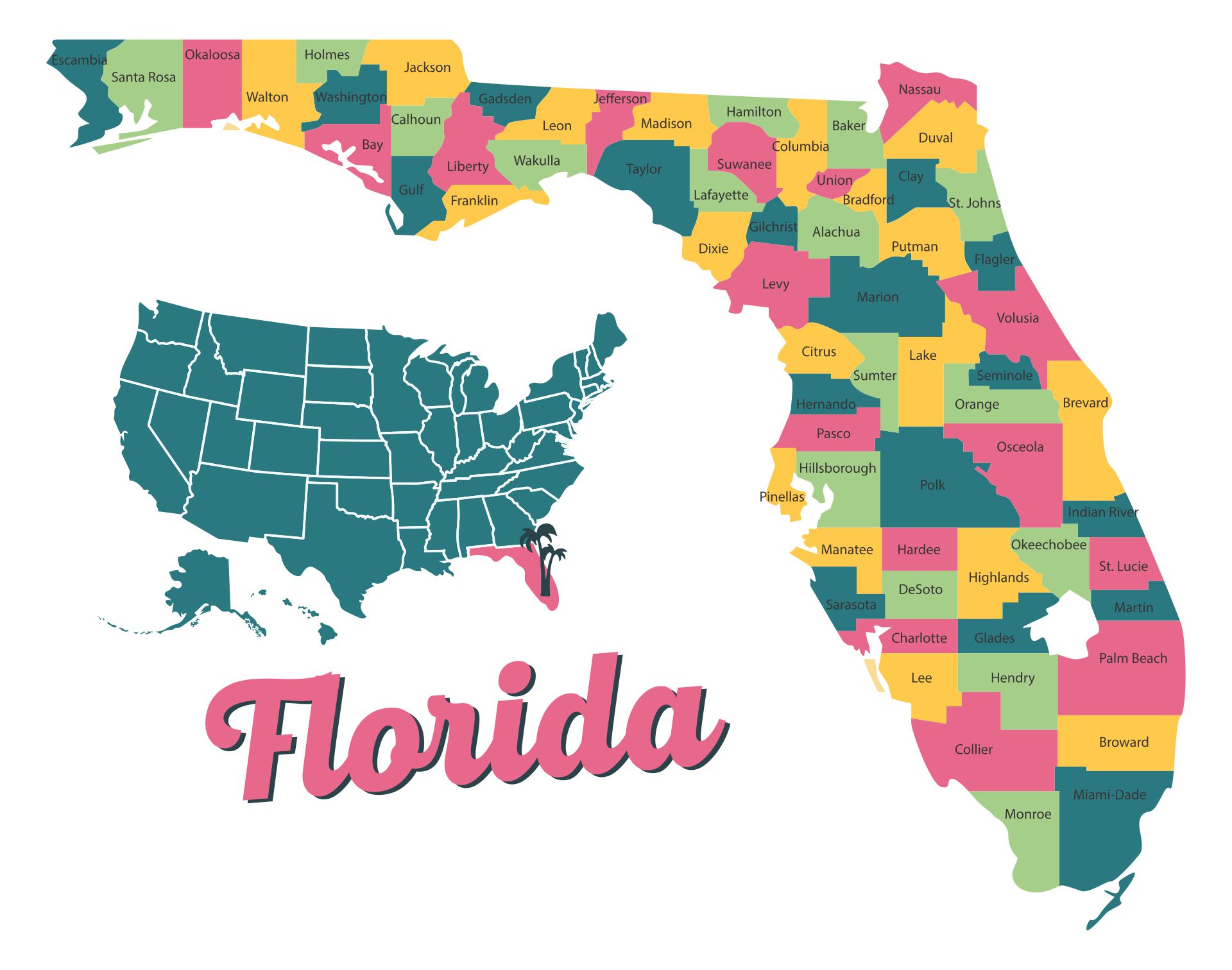
Navigating local arrest data in South Florida requires cutting through automated aggregation sites and looking directly at official reporting. When people search for information regarding Broward County arrests, they usually want to know how to locate recent jail bookings, understand local crime trends, or interpret court dispositions. The Broward Sheriff's Office and the Florida Department of Law Enforcement provide the core public infrastructure for tracking these figures, offering transparent access to daily logs, annual crime volumes, and judicial outcomes.
Understanding what the numbers actually represent helps residents, researchers, and legal observers avoid common misinterpretations. Official arrest totals combine municipal police actions, county sheriff sweeps, and specialized task force apprehensions across dozens of cities from Fort Lauderdale to Coral Springs. By examining the primary databases, tracking agencies, and procedural realities, you can get an accurate picture of how local law enforcement data functions in South Florida.
How to Access Broward County Arrest Records and Jail Logs
Finding real-time information on individuals taken into custody involves checking specific county portals managed by law enforcement. The primary repository for daily intake is the Broward Sheriff's Office (BSO), which oversees the main jail bureau and regional detention facilities.
When you access the public inmate search or booking query tools, specific identifiers help streamline the process. Having the correct spelling of the subject's full legal name and date of birth is essential.
- Booking Number: A unique alphanumeric identifier assigned upon intake that tracks the specific arrest event through the county system.
- Arresting Agency: Identifies whether the apprehension was executed by BSO deputies or municipal departments like Fort Lauderdale, Hollywood, or Pompano Beach police.
- Charges and Statutes: Specific offenses listed alongside Florida Statute numbers, distinguishing between misdemeanor violations and felony charges.
- Bond Status: Indicates whether a bond has been set, the financial amount required for pre-trial release, or if the individual is held on a no-bond status pending a first appearance hearing.
For formal historical criminal histories or certified background checks, requests go through the Florida Department of Law Enforcement (FDLE) Criminal Justice Information Services. Meanwhile, official court docket tracking and case progression updates are handled by the Broward County Clerk of Courts, which maintains public access terminals and online record search portals.
Breaking Down Broward County Crime and Arrest Statistics
Official state repositories, including FDLE annual reports and FBI data collections, paint a detailed statistical picture of crime and enforcement in the county. Total annual arrests hover in the tens of thousands, distributed across property offenses, traffic violations, drug-related charges, and violent crimes.
Property crimes traditionally account for a significant share of overall offense numbers in the region. Larceny, theft, and burglary reports make up the bulk of non-violent property offenses, driven largely by retail hubs, dense residential areas, and seasonal tourism fluctuations. Conversely, violent offenses—including homicide, robbery, and aggravated assault—comprise a smaller percentage of the total volume but concentrate heavily in specific urban tracts.
Geographic disparities matter when evaluating these metrics. Municipalities like Fort Lauderdale and Hollywood frequently record higher raw incident counts due to dense populations, nightlife districts, and major commercial thoroughfares. Smaller suburban communities or master-planned areas often experience significantly lower per-capita crime and arrest rates.
Interpreting Court Dispositions and Case Outcomes
An arrest does not automatically equate to a conviction, and tracking the pipeline from booking to courtroom disposition reveals how local cases resolve. Recent judicial data compiled through state transparency initiatives shows that criminal cases processed in the 17th Judicial Circuit cover a broad spectrum of outcomes:
- Guilty Adjudications: A significant portion of prosecuted cases conclude with a guilty plea or a trial conviction, often resulting in probation, local jail time, or state prison sentences depending on the severity of the charge.
- Adjudication Withheld: Judges frequently utilize withheld adjudications for eligible first-time or non-violent offenders, allowing defendants to complete probation terms without a formal criminal conviction on their permanent record.
- Dismissals: A small percentage of filed charges are dismissed by state prosecutors due to evidentiary issues, victim non-cooperation, or successful diversion program completions.
Traffic and minor drug possession charges historically experience higher dismissal or diversion rates compared to violent offenses or major property felonies, reflecting prosecutorial discretion and specialized diversion dockets implemented across the county.
Common Misconceptions About Local Arrest Data
Public records searchers often encounter pitfalls when interpreting online jail rosters and news aggregators. Understanding common errors prevents confusion when reviewing local criminal justice data.
One common mistake is assuming that an active booking listing implies guilt. Under Florida law and the U.S. legal system, every individual named in an arrest log is presumed innocent until proven guilty in a court of law. Jail rosters reflect temporary detention status or pre-trial holding periods, not final legal judgments.
Another frequent error involves third-party background sites. Scraper websites often copy public jail logs and republish them across search engines, frequently failing to update records when charges are dropped, seals are ordered, or records are expunged. Relying on unofficial third-party snapshots instead of primary government portals like BSO or the Clerk of Courts frequently results in outdated information.
Finally, readers often misinterpret year-over-year statistical shifts. Changes in reporting standards—such as the nationwide transition from summary Uniform Crime Reporting (UCR) to the National Incident-Based Reporting System (NIBRS)—can cause apparent fluctuations in crime numbers that reflect updated data collection methods rather than actual increases or decreases in local criminal activity.
Frequently Asked Questions
How quickly do recent arrests appear on the Broward Sheriff's Office website?
The BSO online arrest search database updates continuously as individuals are booked into the jail facility following an arrest. However, processing times can vary depending on intake volume, fingerprint verification, and administrative checks, typically taking anywhere from a few hours to a day after the initial apprehension.
What is the difference between a cash bond and a surety bond in Broward County?
A cash bond requires the full bond amount to be paid directly to the court in cash to secure release, which is eligible for refund after the case concludes minus court fees. A surety bond involves hiring a licensed bail bondsman who charges a non-refundable percentage fee (typically ten percent) to post the financial guarantee on behalf of the defendant.
How can I get an arrest record sealed or expunged in Broward County?
Qualifying individuals must petition the Florida Department of Law Enforcement for a Certificate of Eligibility before filing a formal motion through the Broward County Clerk of Courts. Generally, expungement or sealing is restricted to cases where charges were dropped, dismissed, or resulted in an adjudication withheld, provided the applicant has no prior disqualifying convictions.
Are juvenile arrest records public in Florida?
Generally, juvenile arrest records are confidential under Florida law to protect minors, except in specific circumstances. If a juvenile is charged with certain serious felonies as an adult, or if court orders permit public disclosure based on the severity and nature of the alleged offense, specific records may be released.



