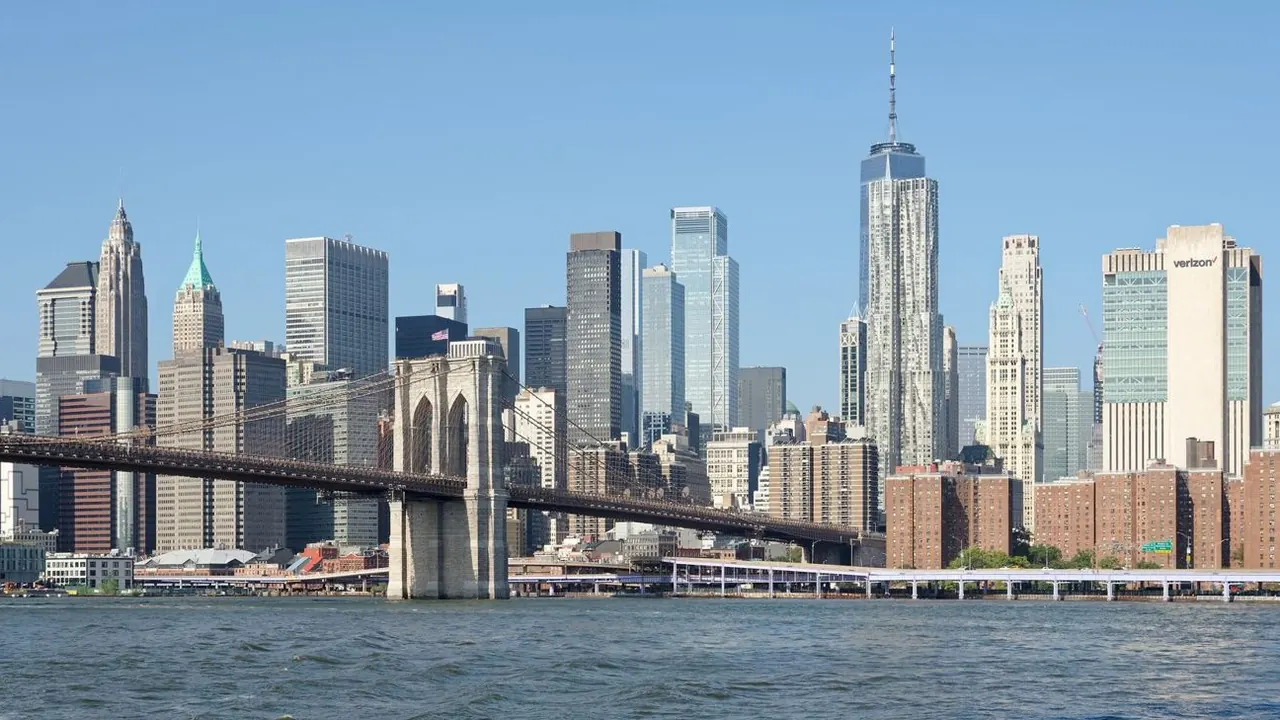
The baseball rivalry between the Brooklyn Dodgers and the New York Yankees defined mid-century American sports culture. This conflict went far beyond routine regular-season play. It represented a fundamental clash of boroughs, economic classes, and migration patterns within New York City. When these two franchises met in the World Series seven times between 1947 and 1956, they captured the imagination of a nation recovering from global conflict and entering the atomic age.
At its core, this rivalry exposed the deep social divides of post-war New York. The Yankees symbolized corporate power, financial dominance, and the polished establishment of the American League. They played in the Bronx, owned by corporate interests, and maintained a seemingly endless supply of superstar talent. The Dodgers, meanwhile, represented the working-class soul of Brooklyn. They played at Ebbets Field, a cramped, intimate ballpark where fans sat close to the action, enduring decades of heartbreak before finally achieving glory.
Understanding why this matchup still resonates requires looking at how geographic migration, financial inequality, and dramatic team management shaped the sport. This deep dive covers the foundational elements of the Dodgers-Yankees feud, the economic forces behind their rosters, and the tragic departure that ended baseball's greatest cross-town war.
The Post-War Landscape and the Roots of the Feud
The end of the Second World War triggered a massive cultural and demographic shift across the United States. Soldiers returned home, families expanded, and cities experienced unprecedented growth. New York City sat at the epicenter of this transformation, and baseball served as the ultimate urban theater.
In the late 1940s, the American League was dominated by the Bronx Bombers, while the National League featured the scrappy, beloved "Dem Bums" from Brooklyn. While other cities hosted multiple teams, none featured the fierce proximity and stark class contrasts of New York. Fans in the subways, diners, and factories argued constantly over the merits of Joe DiMaggio versus Jackie Robinson, or manager Casey Stengel versus manager Charlie Dressen.
This rivalry thrived because the two teams occupied entirely different psychological spaces. The Yankees were corporate efficiency personified. They reloaded talent effortlessly, winning championships with cold precision. The Dodgers were an emotional rollercoaster. They possessed incredible offensive talent and legendary resilience, but they continually fell short in high-stakes moments against their American League nemesis, losing the World Series to the Yankees in 1947, 1949, 1952, and 1953.
Money, Power, and the Economics of Baseball
Financial disparity played a massive role in shaping both franchises. The Yankees benefited from lucrative corporate ownership, stable broadcasting revenue, and a farm system that consistently produced Hall of Fame talent. Their association with Major League Baseball history often felt preordained because they could buy or develop elite depth that smaller-budget teams simply could not match.
The Dodgers operated under different financial realities, though general manager Branch Rickey revolutionized the sport through innovative thinking. Rickey established the modern farm system and, most importantly, broke baseball's color barrier by signing Jackie Robinson in 1947. Integrating the sport changed the demographic makeup of the Dodgers' fanbase and infused the team with extraordinary athletic brilliance, featuring stars like Roy Campanella, Don Newcombe, and later, Duke Snider.
Despite Rickey's brilliance, the Dodgers had to fight for every financial advantage. Ebbets Field was aging and lacked modern parking facilities, limiting revenue potential compared to Yankee Stadium's massive capacity. This economic squeeze created a sense of urgency in Brooklyn. The team had to win immediately because the financial foundation of the franchise was far more precarious than that of their Bronx rivals.
The World Series Battles of the Golden Age
Between 1947 and 1956, the Dodgers and Yankees met in the Fall Classic seven times. These series produced some of the most iconic moments in baseball history, embedding players into American folklore.
The 1947 Classic: Jackie Robinson's Historic Fall
The 1947 World Series marked Jackie Robinson's rookie season and his first appearance on the grandest stage. Though the Yankees won the series in seven games, the games set a new standard for national television viewership and dramatic tension.
The 1955 Redemption: Wait 'Til Next Year
For generations, Brooklyn fans muttered the phrase Wait 'til next year after yet another October defeat to the Yankees. That mantra finally expired in 1955. Led by left-hander Johnny Podres, who shut out the Yankees in Game 7 at Yankee Stadium, the Dodgers captured their first World Series title in franchise history. The victory sparked wild celebrations across Brooklyn, cementing the team's place in local legend.
Don Larsen's Perfect Game in 1956
The very next year, the Yankees extracted revenge in the 1956 World Series. The defining moment arrived in Game 5 when Yankee pitcher Don Larsen threw the only perfect game in postseason history. It was a masterclass in pitching precision that silenced the Dodgers' potent lineup and underscored the Yankees' uncanny knack for historic achievements.
The End of an Era: The Move to Los Angeles
Just as the rivalry reached its competitive peak, demographic shifts and urban planning decisions destroyed it. Walter O'Malley, who became the sole owner of the Dodgers in the early 1950s, sought permission and public funding to build a new, accessible domed stadium in Brooklyn. New York City officials, led by urban planner Robert Moses, resisted these efforts, pushing instead for a stadium site in Queens.
Faced with declining attendance due to suburban flight and a lack of municipal support, O'Malley made the fateful decision to relocate the franchise to Los Angeles following the 1957 season. The Library of Congress maintains extensive archives detailing how this move devastated millions of New York fans and forever altered the geography of American sports.
The New York Giants, facing similar economic pressures under owner Horace Stoneham, moved to San Francisco at the same time. Overnight, New York lost its National League baseball footprint. The cross-town war vanished, leaving the Yankees as the sole proprietors of New York baseball until the expansion Mets arrived in 1962.
Common Misconceptions About the Rivalry
- Misconception: The Dodgers and Yankees played in the same league.
- Reality: They played in separate leagues, which is why they only met during the World Series or in exhibition games prior to interleague play rules.
- Misconception: The rivalry ended immediately when Jackie Robinson retired.
- Reality: Robinson retired after the 1956 season, right before the team moved to California, meaning the final World Series battles featured the height of his career clashing with Mickey Mantle's prime.
- Misconception: Brooklyn fans universally supported the move to California.
- Reality: The relocation caused profound heartbreak, with many fans in Brooklyn abandoning baseball entirely rather than supporting a West Coast team.
Frequently Asked Questions
Why did the Brooklyn Dodgers move to Los Angeles?
Walter O'Malley moved the team primarily due to inadequate parking and transit access at Ebbets Field, combined with a refusal from city officials to help secure land for a modern stadium within Brooklyn.
How many times did the Dodgers and Yankees play in the World Series?
While the Dodgers were in Brooklyn, they faced the Yankees in the World Series seven times (1947, 1949, 1952, 1953, 1955, 1956, and 1956).
Who were the key star players for both teams during this era?
The Dodgers relied heavily on Jackie Robinson, Roy Campanella, Duke Snider, and Pee Wee Reese. The Yankees anchored their dynasty with Joe DiMaggio, Mickey Mantle, Yogi Berra, and Whitey Ford.
Did the rivalry continue after the Dodgers moved to the West Coast?
While the geographic rivalry ended, the teams met again in the World Series in 1963, 1977, 1978, and 1981, though these matchups lacked the intense daily proximity of the New York years.



