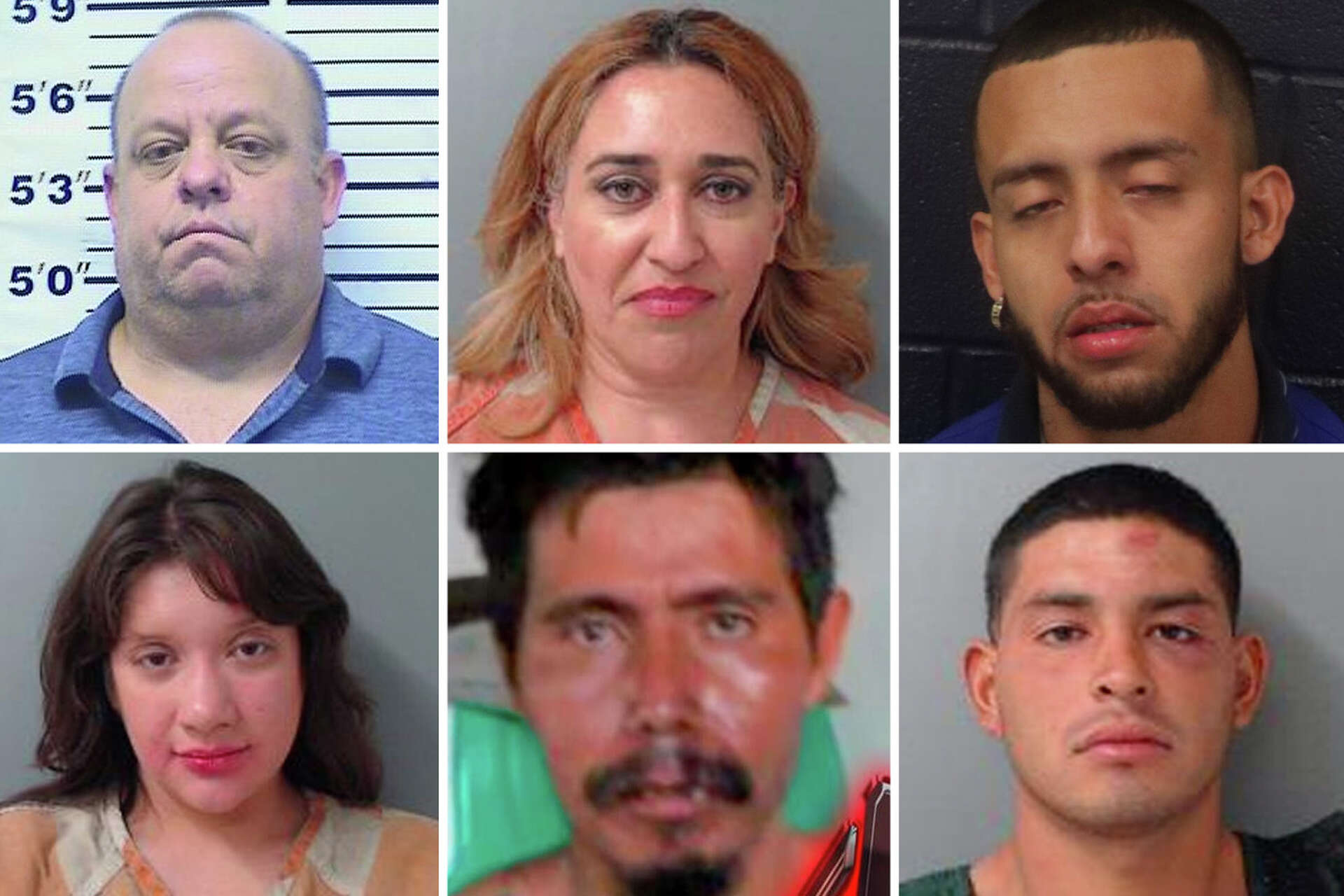
Navigating public records in Brevard County can feel like stepping into an open digital fishbowl. When an arrest happens, local booking details, police logs, and booking photographs move rapidly from municipal databases into the hands of third-party aggregators. For anyone caught in this cycle, the immediate fallout isn't just legal—it's digital. Understanding how Florida public records laws intersect with personal privacy rights determines whether an arrest photo remains permanently visible or gets scrubbed from the internet.
Florida maintains a long-standing commitment to government transparency via public records legislation. This open-access framework means that arrest records generated by the Brevard County Sheriff's Office or local municipal police departments are generally accessible to anyone who asks. Yet, this transparency creates a secondary digital afterlife where third-party publishers harvest, archive, and profit from booking photos. Protecting your reputation requires knowing how to leverage state laws, request removals, and utilize formal record sealing procedures.
The Public Records Paradox in Brevard County
Florida's government-in-the-sunshine traditions mean that police logs, jail bookings, and court dockets are public property. When someone is booked into the Brevard County Jail, their information enters county databases managed by local law enforcement. Local journalists, researchers, and citizens can inspect these records to hold public institutions accountable.
However, automated scrapers and commercial publishers exploit these exact open-government statutes. These entities scrape jail logs instantly, republishing mugshots on commercial domains designed to rank high in search engines. These websites often demand extortionate fees to take down images, creating a predatory market built on personal misfortune. The conflict between public accountability and individual privacy rights forms the core challenge of the modern digital afterlife.
Florida Legal Protections and Removal Rights
Recognizing the harm caused by predatory publishers, Florida lawmakers enacted specific statutes to protect individuals regardless of whether they were ultimately convicted. Under Florida Statute § 901.43, commercial publishers cannot charge a fee to remove an arrest booking photograph. Furthermore, individuals have the absolute right to demand that these entities take down their booking images.
To execute a valid removal request under Florida law, you must send a formal written notice to the publisher's registered agent. This notice must include:
- Sufficient proof of identification verifying you are the person in the photograph.
- Specific locational details, such as the exact URL where the mugshot appears.
- A clear statement invoking your statutory rights under Florida law.
Commercial publishers are legally required to remove the image within ten days of receiving this notice. If they fail to comply, they face severe financial penalties under state law. Knowing how to enforce these rules stops commercial exploitation in its tracks.
Sealing and Expunging Brevard County Records
While removal requests address commercial aggregators, they don't erase the underlying government file managed by the Brevard County Clerk of Court. To achieve true digital privacy, eligible individuals must pursue record sealing or expungement through the judicial system.
An expungement destroys or legally seals criminal history records so that the public—and most employers—cannot see them. In Florida, eligibility depends heavily on the final disposition of your case. If charges were dropped, dismissed, or resulted in an acquittal, you are typically eligible to have your record expunged. If you received a withheld adjudication for certain minor offenses, sealing may be an option.
Working through the Brevard County Clerk of Court involves filing a petition, passing a state background review through the Florida Department of Law Enforcement, and obtaining a court order. Once a record is officially sealed or expunged, agencies must restrict access, making it much harder for automated scrapers to find new source data to republish.
Managing Your Digital Footprint Proactively
Waiting for a mugshot to disappear on its own rarely works. Taking systematic control of your online presence requires a multi-step approach that combines legal rights with proactive content management.
- Audit search engines regularly: Search your full name in quotation marks alongside terms like "Brevard County" or "arrest" to locate lingering entries.
- Document every violation: Save screenshots, exact URLs, and dates for every site hosting unauthorized booking photos.
- Dispatch formal removal notices: Send certified written requests to offending publishers citing Florida Statute § 901.43.
- Consult a qualified attorney: If publishers ignore statutory deadlines or if you need help navigating complex court petitions, hire an attorney specializing in record expungement and privacy.
- Bury negative links: Build positive, professional online content—such as updated LinkedIn profiles, personal websites, or published articles—to push old records off search engine result pages.
Frequently Asked Questions
Can Brevard County police refuse to release a mugshot to the public?
Generally, booking photos are categorized as public records under Florida law. However, certain exemptions apply, such as cases involving juveniles, specific undercover operations, or active investigations where releasing a photo would jeopardize public safety or statutory privacy carve-outs.
Do mugshot websites have to take down my photo if I was found innocent?
Yes. Under Florida law, commercial publishers are obligated to remove booking photographs upon written request, regardless of the case outcome. They are also explicitly barred from charging a fee for this removal.
Does expunging my Brevard County record automatically delete private copies online?
No. While expungement removes the official court and police records, third-party sites often cache data before the court action finishes. You must still issue direct removal notices to those private publishers to clear out scraped copies.
How long does the record expungement process take in Florida?
The timeline varies based on state agency backlogs and court schedules. Obtaining the initial certificate of eligibility from state authorities often takes several months, followed by the formal judicial review handled locally.



