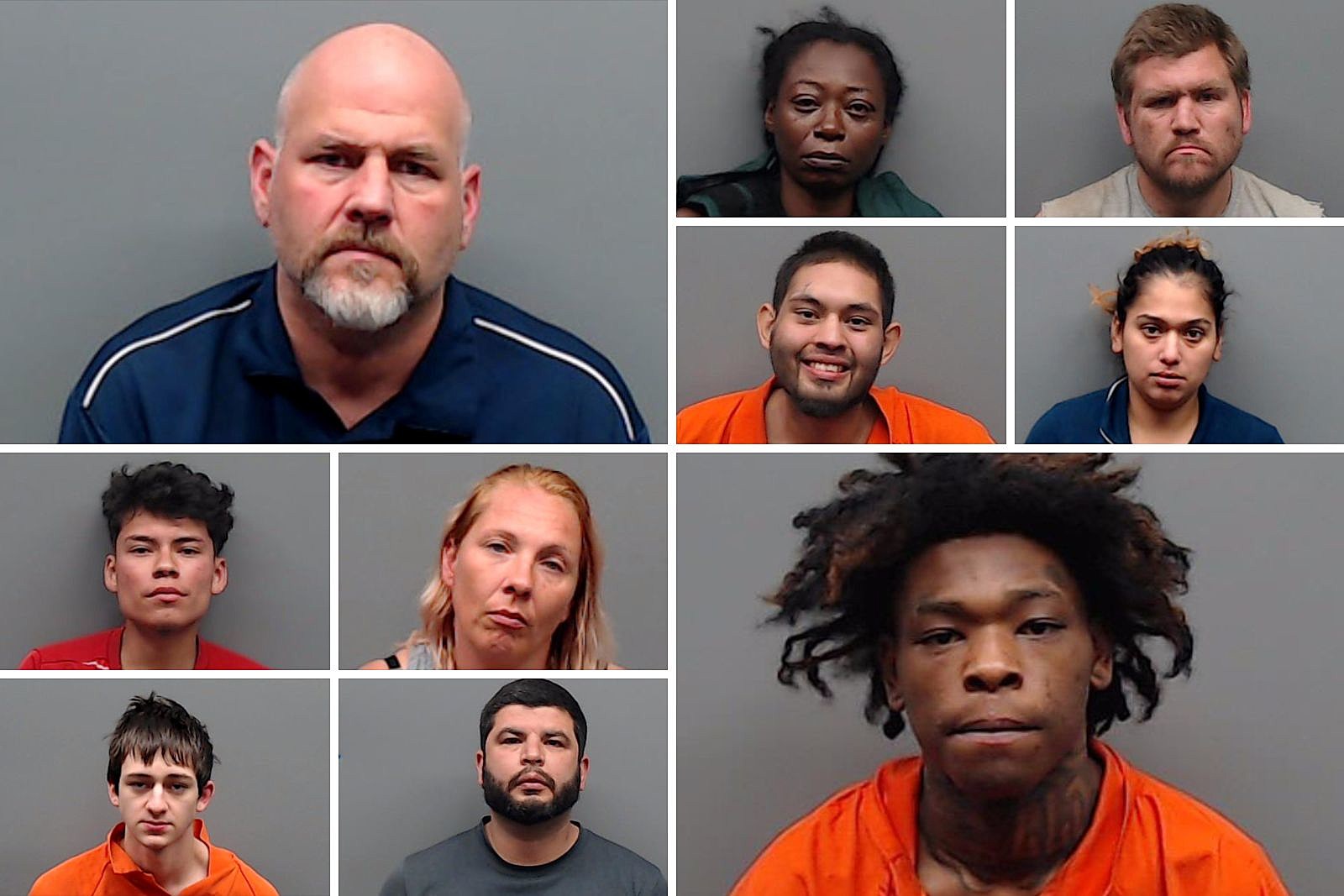
Navigating public arrest data in Brevard County involves understanding a unique intersection of state sunshine laws, digital publishing, and personal privacy rights. When local law enforcement agencies capture booking photographs, those images immediately enter the public sphere. For residents and researchers trying to make sense of how these records circulate, the rules governing access can feel complex.
Florida's expansive public records framework ensures high transparency across the state, including the Space Coast. At the same time, commercial aggregators and third-party publishing sites have built business models around these searchable archives. Knowing how the system operates—and what legal protections exist for individuals whose images are posted online—helps clarify the realities behind local arrest reporting.
How Florida Public Records Laws Govern Arrest Data
Florida operates under some of the most open public record statutes in the country, commonly referred to as the Sunshine Law. Enacted to maintain government accountability, Chapter 119 of the Florida Statutes mandates that records created or received by public agencies are open for inspection by any person.
Law enforcement agencies, including local sheriff offices, must maintain logs of individuals taken into custody. These files typically contain:
- Full legal names and known aliases
- Recorded booking dates and facility locations
- Specific charges filed by arresting officers
- Physical descriptions and intake photographs
Because these documents are public assets, third parties can legally copy and redistribute them. This openness forms the foundation of why local arrest logs and booking images appear across numerous digital platforms shortly after an arrest occurs.
The Reality of Brevard County Booking Photos
In Brevard County, the local sheriff's office processes thousands of bookings annually. When an individual is booked into a county detention facility, standard intake procedures involve capturing biometric data and photographs.
Media outlets and independent local publishers frequently share these updates to keep communities informed about regional crime trends. However, a booking photograph represents an accusation, not a conviction. Every suspect is legally presumed innocent until proven guilty in a court of law.
Public availability often creates unintended long-term consequences for individuals whose charges are later dropped, dismissed, or resolved through an acquittal. Because independent web scrapers index county data feeds rapidly, images can proliferate across multiple domains before a case ever reaches trial.
Legal Protections and Removal Mandates
The commercialization of booking images led the state legislature to enact specific restrictions to protect citizens from predatory publishing practices. Under Florida law, third-party websites are strictly prohibited from charging a fee or demanding financial compensation to remove, correct, or modify an arrest booking photograph.
If a commercial publishing site demands payment for takedown services, they violate state statutes. Individuals can take direct action by submitting a formal written request via registered mail to the publisher's registered agent.
To execute a valid removal request, you must supply:
- Clear proof of identification verifying you are the subject of the photo
- Specific details identifying the exact image and URL in question
- A formal demand for removal citing state compliance requirements
Publishers failing to comply within the statutory timeframe can face civil penalties and injunctions.
Sealing and Expunging Records in Florida
Removing an image from an independent aggregator provides immediate relief, but the underlying arrest record remains accessible through official channels unless formally addressed through the courts. Qualifying individuals can pursue record sealing or expungement through the Florida Department of Law Enforcement.
Expungement destroys or removes physical and electronic records from public agency view, while sealing keeps the file confidential except to specific government entities. Meeting eligibility criteria typically requires showing that the case did not result in a conviction or formal adjudication of guilt. Once an official record is expunged or sealed, law enforcement and court repositories restrict public dissemination, which dries up the source material that third-party scrapers rely upon.
Frequently Asked Questions
Are booking photos automatically removed if charges are dropped?
No. While law enforcement updates internal case files, third-party websites that scraped the initial booking log rarely monitor case outcomes automatically. Individuals must often contact publishers directly or pursue legal remedies to clear outdated entries.
Can the Brevard County Sheriff's Office take down my mugshot from Google?
Local law enforcement agencies cannot control what independent commercial websites or search engines publish. A sheriff's office only controls its primary records repository and official communication channels.
Is it legal for websites to display Brevard County mugshots?
Yes. Because arrest records are public documents under Florida law, publishing them is generally legal. The law regulates how they are handled—specifically banning extortionate removal fees—rather than banning publication outright.
How long does an official record request take in Brevard County?
Processing times vary based on the complexity of the request and staff availability. Under Florida guidelines, agencies are permitted to recover actual costs for research, retrieval, and duplication if a request requires extensive labor or specialized resources.


