Navigating the detention and public records ecosystem across Florida's Space Coast can feel overwhelming. If you're trying to locate a loved one or check booking data, you need accurate steps immediately. Under Florida's broad public transparency statutes, arrest records, jail rosters, and booking photographs are generally open to public inspection. However, finding the right portal, understanding the data lag, and knowing how to handle third-party aggregator sites requires specific navigation skills.
The primary and most authoritative resource for tracking individuals in the local custody system is the official Brevard County Sheriff's Office Arrest Inquiry Portal. Utilizing this official tool ensures you receive current, unmanipulated data directly from law enforcement rather than relying on commercial third-party sites that often monetize booking photos or display outdated details.
How to Conduct a Brevard County Inmate Search
Finding someone who has been recently detained involves navigating a structured intake and database system. When law enforcement officers bring an individual to a local facility—typically the Brevard County Jail Complex—they undergo standardized booking procedures.
- Gather precise identifiers: Collect the individual's full legal name, spelling variations, date of birth, and known aliases before starting your search.
- Access the official portal: Go directly to the BCSO Arrest Inquiry page to launch the open inmate search application.
- Input criteria: Enter the person's name and birthdate. Adding a date of birth is essential to filter out common names and pinpoint the correct record.
- Review administrative fields: Look at the active booking number, listed charges, associated bond amounts, and current facility assignment.
Understanding Booking Delays and Information Lags
A common point of frustration is checking an online roster immediately after an arrest and finding no record. The booking process involves multiple administrative steps, including fingerprinting, medical screening, background checks, and data entry.
This workflow can take anywhere from several hours to a full day. If a recent arrest doesn't appear right away, it doesn't mean the person isn't in custody. Waiting twenty-four to forty-eight hours usually allows the agency's records management system to update completely.
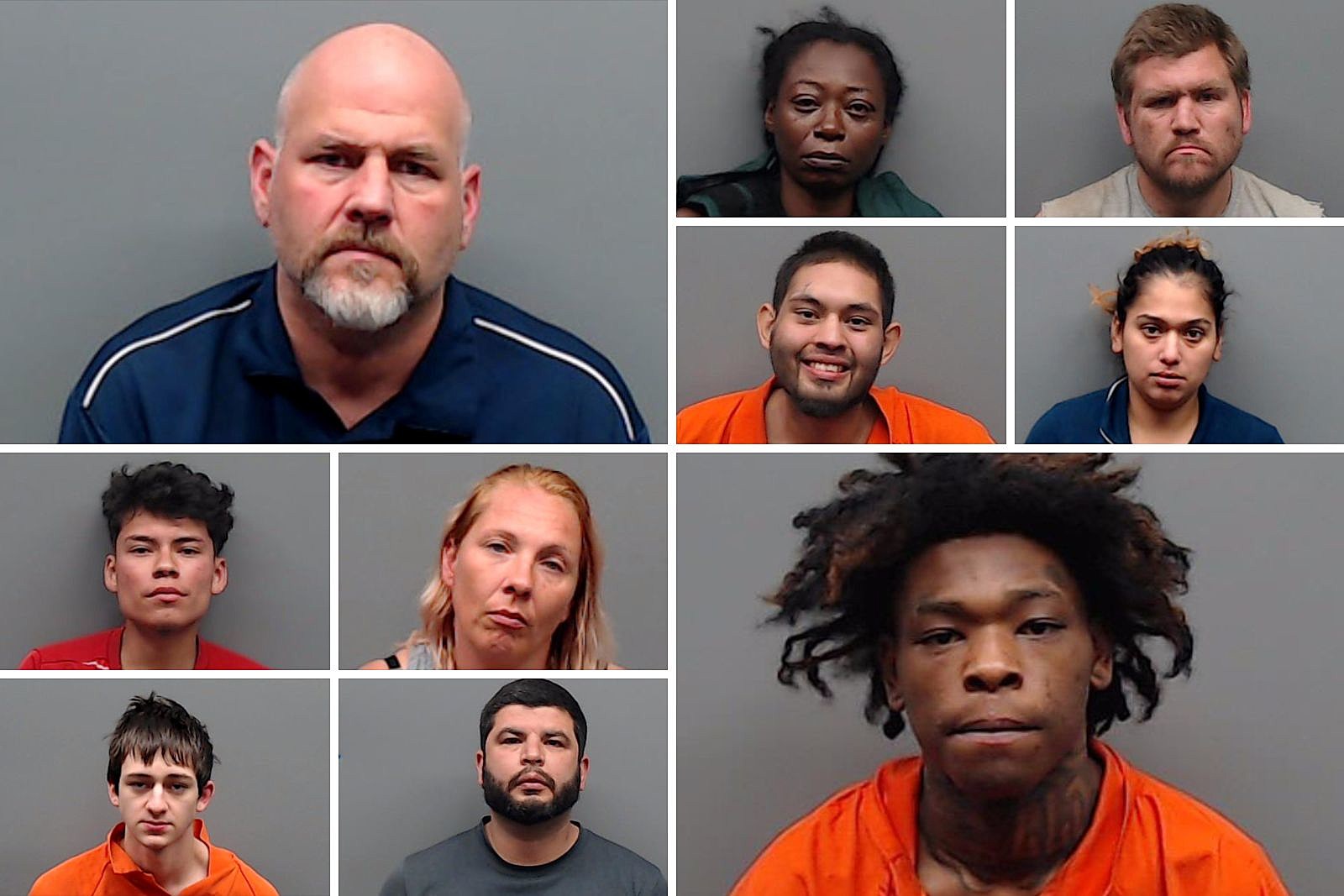
Navigating Mugshots and Public Records Laws
Florida has some of the most open public records laws in the country, often referred to as Sunshine Laws. While these statutes promote governmental transparency, they also mean that mugshots and arrest logs become accessible to the public instantly.
Commercial entities scrape these government databases to populate independent third-party websites. These platforms often profit from digital shaming, making it difficult or costly for individuals to have their images removed, even if their charges are later dropped or dismissed.
- Distinguish official vs. third-party sources: Stick to law enforcement databases to avoid predatory removal fees or misleading ads.
- Understand the presumption of innocence: An arrest record or mugshot is an administrative snapshot of a detention event, not a conviction or a legal finding of guilt.
- Explore expungement options: If a case results in a dismissal or non-guilty verdict, individuals can often work with legal counsel to seal or expunge their public criminal history records.
Contacting the Brevard County Jail Complex
When online tools don't provide the clarity you need, direct communication with facility administration is often the most effective next step. The main reception and inmate information desks handle specific custody questions during normal business hours.
- Main Reception Line: Call (321) 690-1500 for general jail complex inquiries.
- Inmate Records Unit: Reach out to (321) 690-1546 for specific administrative record questions.
- Physical Location: The primary facility is located at 700 Park Ave., Titusville, FL 32780.
Frequently Asked Questions
Why can't I find an inmate who was arrested earlier today?
System updates and intake processing take time. Newly arrested individuals must complete intake, classification, and digital entry before appearing on the public portal. Check back after a few hours have passed.
Are mugshots automatically removed if charges are dropped?
No. While official law enforcement and court portals update when cases resolve, commercial third-party websites that scrape public data often do not sync automatically. Removing a photo from independent sites frequently requires specific formal requests or legal steps.
How do I post bond for someone detained in Brevard County?
Bond amounts are listed directly on the inmate's profile via the official sheriff's portal. You can typically pay bonds through approved financial mechanisms outlined by the jail administration or via licensed local bail bond agencies operating in the area.
Does the online inmate search show juvenile records?
No. To protect privacy and comply with state statutes regarding minors, juvenile detention records are restricted and omitted from public online lookup tools.


