When people look at Brazilian ethnicity, they usually see a vibrant mix of Carnival costumes, samba rhythms, and coastal football matches. Yet beneath this famous cultural surface lies one of the most thoroughly mapped genetic admixture processes in the world. Modern genomic mapping shows that the average citizen carries a complex three-way genetic heritage originating from European, African, and Native American source populations. Understanding this nation requires looking past simple census boxes and examining how centuries of migration, colonization, and social policy shaped a distinct population.
Genetic studies, including comprehensive whole-genome sequencing projects like DNA do Brasil, consistently demonstrate that Brazilian DNA averages roughly 59 percent European, 27 percent African, and 13 percent Native American ancestry. These numbers, however, tell only part of the story. Geographic divides, historical migration waves, and stark sex-biased mating patterns during the colonial era mean that individual genetic profiles vary wildly from one region to another.
The Tri-Hybrid Genetic Foundation
The genetic makeup of modern Brazil rests on three primary ancestral pillars. The earliest inhabitants were Indigenous peoples, whose presence stretches back at least 11,000 years. Following the arrival of Portuguese navigator Pedro Álvares Cabral in 1500, European explorers began a centuries-long colonization process. Shortly after, the transatlantic slave trade forcibly brought millions of Africans to the region, primarily to labor on sugarcane plantations and in gold mines.
Autosomal DNA tests—which measure genetic material inherited from all ancestors—reveal how these three streams merged. While the national average hovers near 60 percent European, 27 percent African, and 13 percent Indigenous, individual genomes display remarkable diversity. It's common for a self-identified white (branco) Brazilian to carry noticeable African or Indigenous genetic markers, just as a self-identified mixed (pardo) or Black (preto) Brazilian often carries substantial European DNA.
The Sex-Biased Ancestry Asymmetry
One of the most striking findings in Brazilian population genetics is the heavy sex bias embedded in the colonial heritage. Genetic inheritance differs sharply depending on whether scientists look at autosomes, Y-chromosomes (passed from father to son), or mitochondrial DNA (passed from mother to child).
- Paternal lineages: Roughly 71 percent of Y-chromosomes in Brazil are of European origin.
- Maternal lineages: Mitochondrial DNA tells a very different story, with roughly 42 percent of lineages tracing back to Africa and 35 percent to Indigenous American ancestors.
This stark asymmetry reflects the harsh realities of colonial expansion, where European men fathered children with enslaved African women and Indigenous women under conditions of extreme social inequality. Consequently, the genetic record preserves a history of asymmetric unions that shaped the country's demographic core.
Regional Variations Across the Country
Brazil spans an area larger than the continental United States, and its genetic landscape shifts dramatically depending on the state. Migration patterns over the past two centuries created distinct regional enclaves.
The Southern region—including states like Rio Grande do Sul and Santa Catarina—boasts the highest proportion of European ancestry, often exceeding 80 percent. This reflects heavy 19th- and early 20th-century immigration from Italy, Germany, and other European nations, supplementing the earlier Azorean Portuguese settlers.
Conversely, the Northeastern region, anchored by historical trade hubs like Bahia, exhibits the strongest African genetic contribution. Cities like Salvador became primary entry points for enslaved West-Central and West African populations, whose descendants deeply influence the region's music, religion, cuisine, and physical traits.
In the Northern region, particularly within the Amazon basin states like Amazonas and Pará, Native American ancestry peaks. Many communities here retain deep genetic and cultural ties to indigenous groups, such as Tupi-speaking peoples who inhabited the coastline and interior river basins long before European arrival.
From Racial Democracy to Self-Classification
For generations, state ideology in Brazil promoted the concept of a "racial democracy," suggesting that the country had transcended racism through widespread intermarriage. Sociologists and historians have since dismantled this myth, pointing out that pigmentocracy and structural inequality persist despite high levels of genetic admixture.
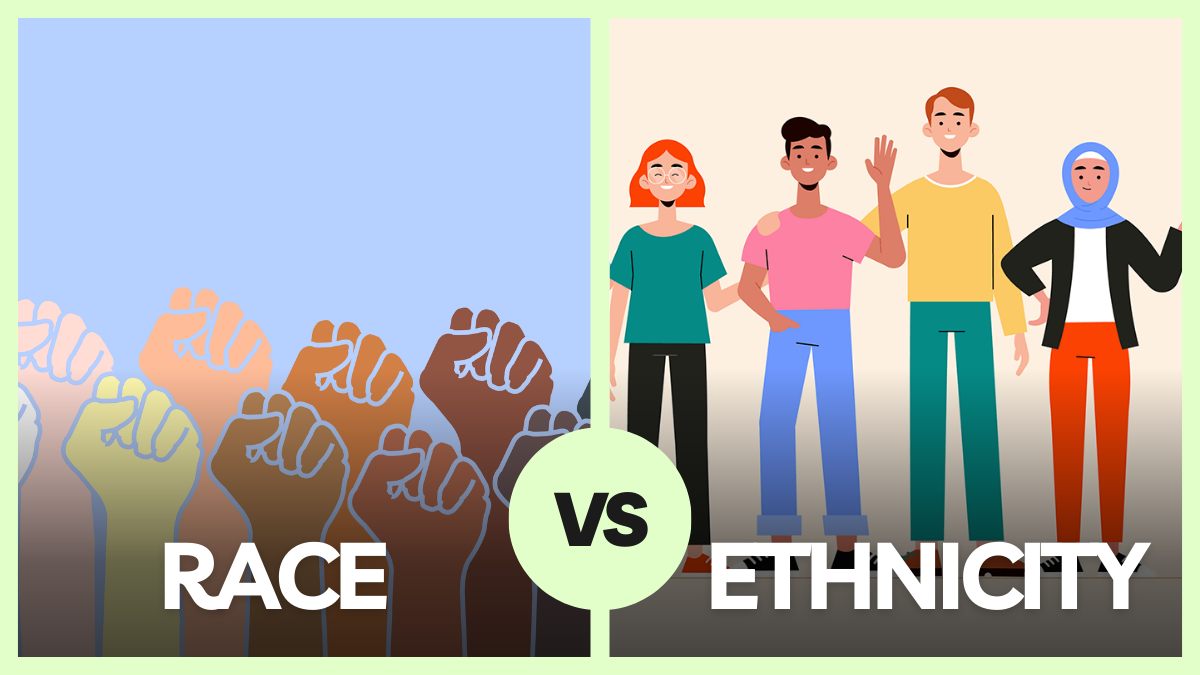
The Brazilian Institute of Geography and Statistics (IBGE) relies on self-identification rather than fixed racial categories. Citizens choose from five official options: branca (white), parda (brown/mixed), preta (black), amarela (yellow/Asian), and indígena (indigenous). Because these categories depend on social perception, skin tone, and cultural context rather than strict genetic quotas, a person's chosen category often shifts depending on socioeconomic status and region.
Cultural Syncretism
Genetics provides a skeleton, but culture provides the flesh. The blending of European administrative structures, African spiritual traditions, and Indigenous ecological knowledge birthed a distinct national identity.
Religious practices like Candomblé and Umbanda merge Yoruba deities with Catholic saints. Culinary staples such as feijoada—a heavy stew of beans and pork scraps—reflect historical intersections of European cooking techniques and ingredients utilized by enslaved populations. Even martial arts transformed through this synthesis; capoeira developed among enslaved Africans as a disguised form of self-defense wrapped in dance and musical rhythms.
Frequently Asked Questions
Do all Brazilians have mixed ancestry?
While the vast majority of the population carries mixed genetic markers, genetic purity or single-source ancestry still exists in isolated indigenous villages or among recent immigrant families. However, urban centers and mainstream populations show high rates of three-way admixture.
Why is the term "Latin America" inadequate for understanding Brazil?
Unlike its Spanish-speaking neighbors, Brazil was colonized by Portugal, making its primary linguistic, legal, and early colonial framework distinct. Furthermore, the massive influx of enslaved West Africans created a demographic and cultural landscape heavily rooted in Afro-descendant traditions.
How accurate are commercial DNA tests in Brazil?
Commercial DNA tests provide a general breakdown of continental ancestry, but they often struggle with local admixture. Because the Brazilian population has been intermarrying for centuries, standard reference populations can misinterpret mixed genomes as pure European or African segments unless the test utilizes localized reference panels.
Is racism an issue in Brazil if most people are mixed?
Yes. High rates of genetic mixing do not eliminate systemic inequality. Afro-descendant and Indigenous populations face documented disparities in income, education, and representation, proving that social hierarchy operates independently of genetic admixture.



