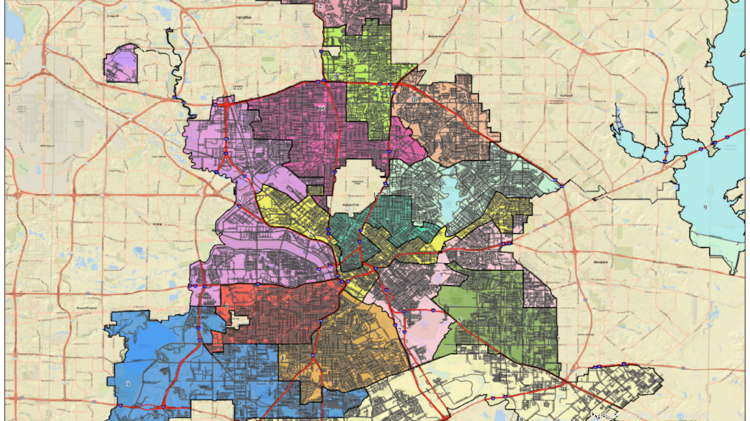
Navigating property taxes in southeast Georgia doesn't have to feel like a guessing game. If you own land, a home, or commercial assets in Brantley County, understanding how local valuations work helps you keep your housing costs under control. The Brantley County Tax Assessor's office determines the fair market value of all local real and personal property, setting the baseline for annual property taxes.
Property assessments dictate how much you pay to the county, school district, and local municipalities. When assessments jump unexpectedly, your annual tax bill follows right behind it. Knowing how to check your parcel records, evaluate local market trends, and file a formal appeal if your assessment is too high can save you hundreds of dollars every single year.
Understanding the Brantley County Tax Assessor Office
The Brantley County Tax Assessor's office operates under the leadership of the Chief Appraiser and a local Board of Assessors. Their primary legal responsibility is to list, map, and value all taxable property within the county boundary. This includes thousands of real property parcels, personal property accounts, and mobile homes.
It's vital to separate the role of the Tax Assessor from the Brantley County Tax Commissioner. The Assessor discovers, lists, and values property, while the Tax Commissioner calculates bills, mails tax notices, and collects payments. If you want to dispute what your property is worth, you deal with the Assessors. If you want to pay your bill or check payment deadlines, you deal with the Tax Commissioner.
How Property Valuation Works in Georgia
Georgia law mandates that property is taxed on an ad valorem basis, meaning taxes are levied according to the value of the property. The Brantley County staff establishes a property's fair market value, defined as the amount a knowledgeable buyer would pay and a willing seller would accept in an arm's length transaction.
Appraisers rely on three standard valuation approaches:
- Cost Approach: Calculates what it would cost to replace your structure at current construction prices, subtracts physical and functional depreciation, and adds the raw value of the land.
- Market Approach: Examines recent sales of comparable properties in your immediate neighborhood or similar micro-markets to predict what your property would fetch on the open market.
- Income Approach: Applies primarily to commercial or rental real estate, capitalizing net operating income to determine a probable purchase price.
Once the total fair market value is calculated, Georgia applies an assessment rate of 40 percent to determine the assessed value. Local millage rates are then multiplied against that assessed value to generate your tax liability.
Accessing Your Property Records Online
You don't need to visit the county courthouse to review your property details. Brantley County partners with online mapping and data systems to host public property records. You can view card details, sales histories, and physical characteristics using the Brantley County QPublic Portal.
When you search your parcel, review these critical data points:
- Square footage and acreage: Minor typos in home dimensions or lot sizes can artificially inflate your valuation.
- Building characteristics: Check whether the county lists outdated features, like an unfinished basement marked as finished, or incorrect bathroom counts.
- Recent sales history: Look at what neighboring parcels sold for to see if your valuation aligns with actual neighborhood transactions.
Filing a Property Tax Appeal in Brantley County
If you receive a Brantley County assessment notice and believe the county's estimated fair market value exceeds reality, you have the legal right to challenge it. You don't have to accept an inflated valuation lying down, but you must act quickly within strict legal windows.
Step 1: Wait for the Assessment Notice or File a Return
Assessment notices typically go out in mid-May following routine county evaluations. Alternatively, you can file a property tax return between January 1 and April 1 if you want to trigger an early review for the upcoming tax digest.
Step 2: Note the 45-Day Deadline
You have exactly 45 days from the date printed on your assessment notice to file an appeal. Missing this window by even a single day invalidates your right to challenge the valuation for that tax year.
Step 3: Complete the Official Appeal Form
To initiate the dispute, you must submit the official state paperwork—specifically the Georgia Department of Revenue PT-311A Appeal Form. On this form, you must select your preferred method of appeal:
- Board of Equalization: A local panel of trained citizens hears evidence from both you and the assessor's office before rendering a binding decision.
- Arbitration: You submit an appraisal from a certified independent real estate appraiser at your own expense. If the county's value and your appraiser's value differ, an arbitrator decides.
- Hearing Officer: Available primarily for commercial properties or high-value residential parcels meeting statutory thresholds.
Step 4: Gather Supporting Evidence
Don't walk into an appeal meeting empty-handed. Bring concrete proof supporting a lower valuation, such as:
- Recent appraisals commissioned for a refinance or purchase.
- Closing statements or sales comps from identical homes on your street that sold for less.
- Photographs of structural damage, environmental issues, or deferred maintenance that negatively impacts market value.
Exemptions That Lower Your Tax Burden
Many property owners pay more than necessary simply because they haven't applied for local tax exemptions. Brantley County residents can slash their taxable base by filing for the standard Homestead Exemption if the property serves as their primary legal residence.
Other specialized programs offer relief for specific land uses:
- Conservation Use Assessment (CUVA): Allows qualifying agricultural, timber, or environmentally sensitive land to be taxed based on current use rather than fair market value, significantly reducing taxes if maintained for ten years.
- Preferential Agricultural Property: Assesses bona fide agricultural land at 30 percent of fair market value instead of the standard 40 percent.
Make sure to visit the Brantley County Government Site to check filing deadlines for homestead exemptions, which usually require an application early in the calendar year.
Frequently Asked Questions
When are Brantley County property taxes due?
Property tax bills are typically mailed out later in the year by the Brantley County Tax Commissioner, with payment deadlines usually falling on December 20. Always verify exact dates directly on your physical bill or through the tax commissioner's office.
Where is the Brantley County Tax Assessor office located?
The office is located at the Government Annex, 10405 North Main Street, Suite B, Nahunta, GA 31553. Their standard operating hours are Monday through Friday, 8:00 AM to 4:30 PM.
What happens if I miss the 45-day appeal window?
If you miss the 45-day window following the mailing of your assessment notice, you lose the right to challenge that year's valuation. You'll have to wait until the next tax cycle opens or file a property tax return early the following year.
Can my property value increase even if no improvements were made?
Yes. Assessors adjust valuations annually based on broader market trends, recent neighborhood sales inflation, and cost-schedule updates. Even if you haven't remodeled your home, rising real estate demand across Brantley County can push your fair market value higher.



