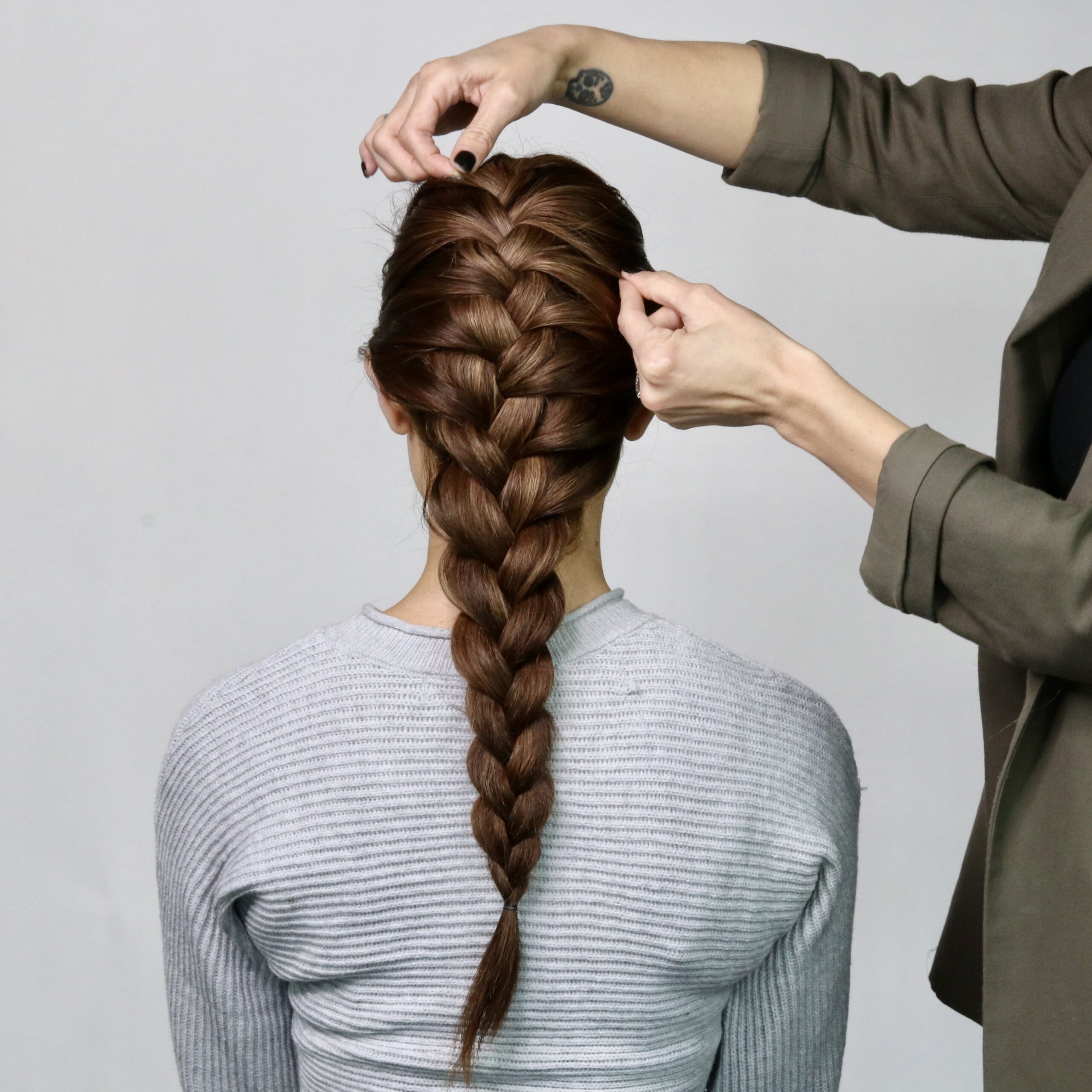
Mastering braid patterns requires more than just knowing how to cross three strands of hair. Whether you're preparing hair for a protective style, setting up a sleek cornrow foundation, or creating intricate standalone designs, understanding structural anatomy changes everything. If you've ever spent hours on a style only to watch it frizz or loosen within days, the issue usually traces back to your foundational grid and tension control.
To build a clean, long-lasting look, you have to approach styling with geometric precision. This guide breaks down the core techniques, essential sectioning methods, and troubleshooting strategies that separate amateur attempts from professional results.
Understanding Braid Pattern Fundamentals
At its core, a braid pattern is the designated map or track system carved into the scalp that dictates how hair is laid down. This foundation is crucial for sew-ins, wigs, crochet braids, and complex standalone updos. If your tracks are uneven or your tension fluctuates, the final style will sit awkwardly and put uneven stress on your scalp.
Professional stylists rely on clean partings using a fine-toothed rat-tail comb. The thickness of each section should match the weight of the hair extension or the desired density of the finished style. For instance, creating tight, uniform cornrows requires consistent pickup amounts—meaning every single loop adds an identical amount of hair from the base. When pickups are erratic, bumps form, and the braid loses its clean line.
Essential Tools for Precision Styling
Having the right equipment prevents breakage and keeps your parts crisp. Skip the generic drugstore combs and stock your kit with these essentials:
- Metal-Tail Rat-Tail Comb: Essential for sharp, clean parts that don't split unexpectedly. The metal tail offers extra rigidity for precision work.
- Edge Control or Styling Gel: A firm-hold, flake-free formula tames flyaways along the perimeter without building up a white residue.
- Sectioning Clips: Duckbill or alligator clips keep loose hair out of your way while you work on individual tracks.
- Dosing Bottle: Useful for applying lightweight oils or leave-in conditioner directly to the scalp before you begin.
Step-by-Step Guide: Creating a Foundation Braid
Executing a clean, flat cornrow or track requires steady hands and correct finger placement. Follow these steps to build a solid foundation:
- Map the Sections: Use your rat-tail comb to section the hair cleanly. Clip away adjacent hair so your working area is completely isolated.
- Divide the Root: Take a small section at the hairline and split it into three equal sub-strands.
- Cross Under (Dutch Method): Instead of crossing strands over each other (which builds height), cross each outside strand under the middle strand. This keeps the braid flat against the scalp.
- Feed Hair Uniformly: As you make your second and third stitches, incorporate a small, equal amount of loose hair from the side into the working strand before crossing it under.
- Secure the Ends: Once you clear the scalp line, finish with a standard three-strand braid to the ends and secure it with a satin-wrapped band or tuck it under with a bobby pin.
For more detailed care advice on maintaining natural hair moisture during styling routines, you can reference resources like the American Academy of Dermatology for expert hair health tips.
Common Mistakes and How to Avoid Them
Even experienced braiders run into snags. Watch out for these frequent pitfalls:
- Excessive Tension: Pulling hair too tightly at the nape or edges leads to traction alopecia and severe scalp discomfort. Always keep your hands close to the scalp rather than pulling outward at a harsh angle.
- Inconsistent Parting: Crooked parts make it difficult to distribute weight evenly, resulting in sagging spots in your finished style. Take the extra minute to re-part if your line wanders.
- Dry Hair Fibers: Braiding dry, brittle hair causes friction breakage. Lightly mist hair with water or a water-based leave-in conditioner before you start sectioning.
Frequently Asked Questions
How long should a foundational braid pattern last?
Most foundations last between two to four weeks under a protective style, depending on hair growth rate and how well you maintain the scalp underneath. Leaving them in longer traps dirt and leads to matting.
Can I braid my hair while it's completely dry?
It's generally recommended to work on detangled, stretched, and lightly moisturized hair. Bone-dry hair snaps easily under the tension required for intricate patterns.
What is the difference between a cornrow and a standard French braid?
Cornrows are braided directly against the scalp using underhand (Dutch) techniques to create raised tracks, whereas traditional French braids sit looser and incorporate hair from a downward angle along the crown.
How do I stop my edges from frizzing up immediately?
Apply a small amount of strong-hold edge control gel along your part lines using a soft bristle brush right before you lock each stitch into place.



