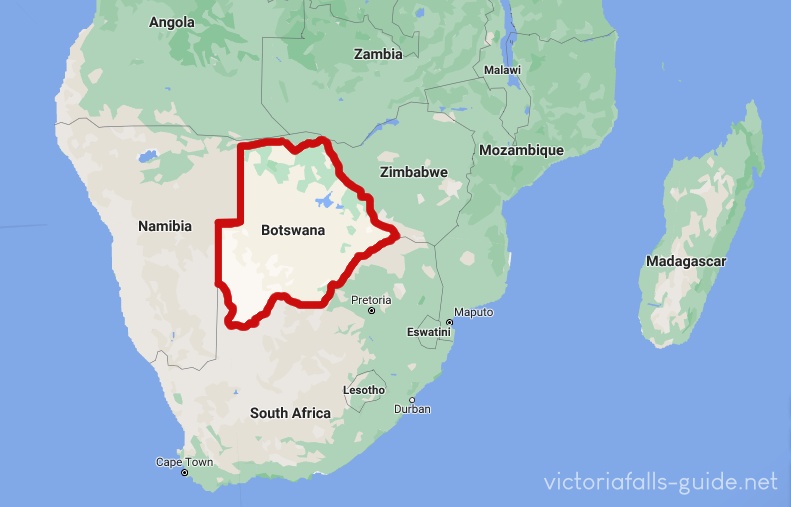
Starting a business in Botswana comes with unique hurdles, but tapping into the right institutional backing changes the trajectory. The Local Enterprise Authority (LEA) serves as the primary statutory body designed to promote and facilitate the development of micro, small, and medium-sized enterprises (SMMEs). Operating under the Ministry of Entrepreneurship, LEA helps citizen-owned ventures transition from fragile startup phases into competitive, sustainable enterprises.
Understanding how to leverage LEA services requires looking past generic overviews. Founders need a precise roadmap covering training interventions, business coaching, incubation spaces, and compliance pathways. Knowing what the authority provides—and what it expects in return—secures a distinct advantage when building a commercial footprint in Botswana.
Core Services Offered by the Local Enterprise Authority
Navigating institutional support starts with identifying which programs match your current operational stage. LEA doesn't just hand out generic advice; it structures its offerings around practical business interventions.
- Business Plan Development: Founders receive hands-on guidance to turn rough concepts into bankable business plans complete with financial modeling and market sizing.
- Training Interventions: Specialized modules cover bookkeeping, inventory management, digital marketing, and quality assurance standards.
- Mentorship and Coaching: Established industry experts work one-on-one with entrepreneurs to troubleshoot operational bottlenecks and optimize supply chains.
- Technology Adoption: Programs assist firms in upgrading production equipment, implementing inventory tracking software, and modernizing daily workflows.
Eligibility and Registration Requirements
Not every enterprise qualifies for immediate assistance. LEA maintains strict criteria to ensure state resources target viable, high-impact ventures that drive local economic growth.
First, your business must be 100% citizen-owned or hold majority citizen equity depending on the specific sector call. Second, your entity needs formal registration with the Companies and Intellectual Property Authority (CIPA), or you must be actively moving through the registration pipeline.
Priority sectors receive preferential treatment during intake cycles. These focus areas include agro-processing, manufacturing, tourism, specialized services, and retail ventures that utilize local raw materials. Technology-driven startups and enterprises owned by youth or women also secure dedicated pathways under specific national empowerment frameworks.
Step-by-Step Approach to Accessing LEA Support
Securing assistance requires a methodical process. Skipping steps or submitting incomplete documentation often results in prolonged delays.
- Audit Your Readiness: Gather your CIPA registration documents, national identity cards, tax clearance certificates from the Botswana Unified Revenue Service (BURS), and a preliminary operational budget.
- Visit Your Nearest Branch: LEA operates offices across multiple districts, including Gaborone, Francistown, Maun, and Palapye. Meet with a client service officer to discuss your sector and identify matching programs.
- Undergo Diagnostic Assessment: An LEA advisor reviews your current operational maturity to pinpoint weaknesses in cash flow, marketing, or production capacity.
- Enroll in Interventions: Based on the diagnostic report, you'll be assigned to relevant training cohorts, incubator spaces, or advisory sessions.
Leveraging Business Incubation and Factory Shells
One of LEA's most impactful assets is its physical infrastructure network. Early-stage manufacturing and agro-processing ventures often struggle with high commercial rental rates and equipment acquisition costs.
LEA manages specialized incubator facilities and factory shells across various regional hubs. Tenants in these spaces gain subsidized workspace, shared administrative utilities, and direct technical oversight. This setup lowers overhead expenses during the critical first twenty-four months of operation, allowing founders to channel capital directly into inventory and product refinement.
Common Mistakes to Avoid
Many entrepreneurs fail to maximize LEA programs due to avoidable missteps. Being aware of these pitfalls keeps your growth strategy on track.
- Treating LEA as a Pure Funding Source: LEA focuses heavily on capacity building and skills transfer. Viewing it solely as a cash handout ignores the vital advisory and training components required for survival.
- Submitting Vague Financial Projections: Vague estimates like "expecting high sales in year two" get rejected immediately. Projections must rely on concrete unit economics and realistic market research.
- Ignoring Compliance Milestones: Letting tax obligations lapse with BURS or failing to update annual returns with CIPA disqualifies businesses from advanced institutional programs.
Frequently Asked Questions
Does LEA provide direct cash grants to startups?
LEA primarily focuses on non-financial business development services, training, and incubation. While they occasionally partner on funding facilitation or specialized grants for targeted sectors like youth and manufacturing, their core mandate centers on building operational capacity rather than direct venture capital disbursement.
Can foreign nationals living in Botswana access LEA services?
Most core programs prioritize citizen-owned enterprises. However, joint ventures that feature significant local equity participation and clear local economic benefits may qualify for select advisory services.
How long do LEA business training programs typically last?
Training duration varies widely based on the intervention. Short workshops can span three to five days, while comprehensive mentorship and incubation programs run anywhere from six months to two years depending on the sector complexity.
What documents are required for an initial consultation?
Bring a valid national identity document (Omang), proof of business registration or a detailed business concept note, and any existing financial statements if the enterprise is already operational.


