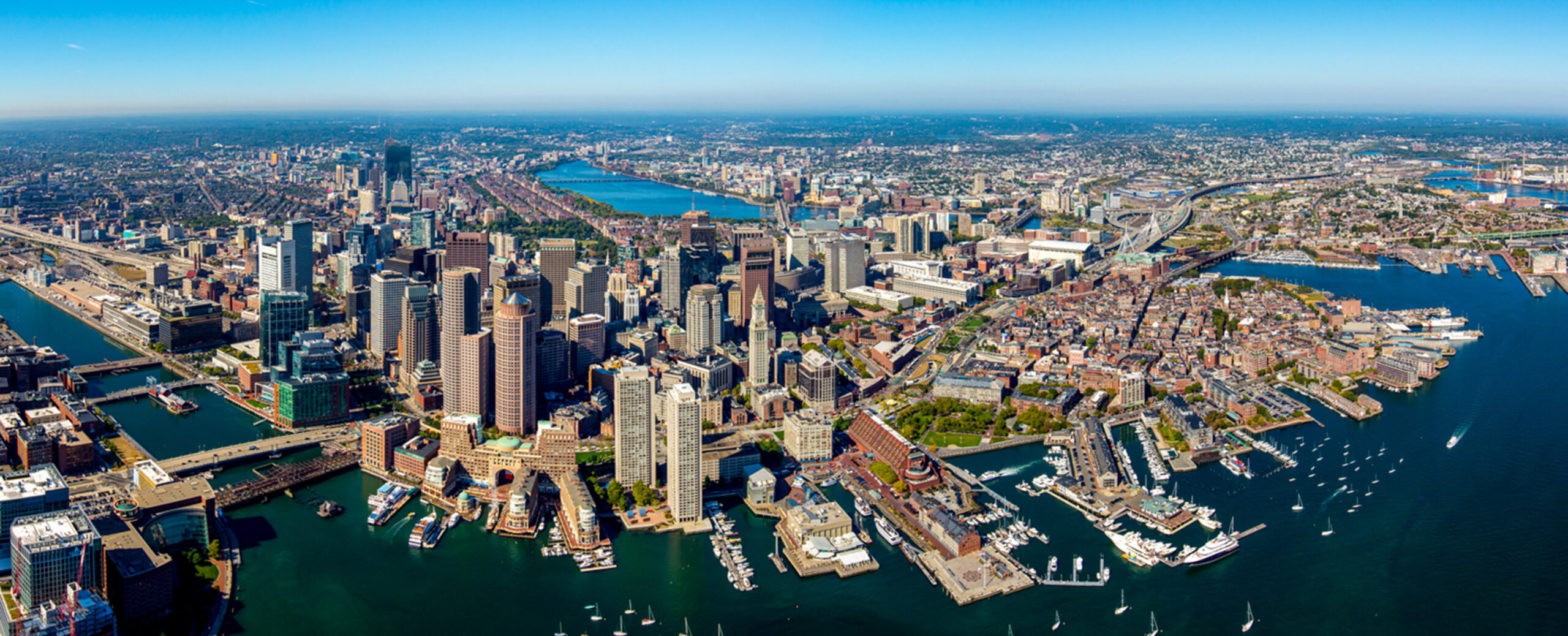
Boston experiences a classic humid continental climate characterized by four distinct seasons, freezing winters, warm summers, and a heavy maritime influence from the Atlantic Ocean and Massachusetts Bay. If you're planning a move or a trip to New England's largest city, understanding the local weather patterns helps you pack right and avoid unexpected disruptions.
The Core Climate Profile
Over the course of a standard year, daily temperatures in Boston typically range from a chilly 23°F in the dead of winter to a warm 82°F during the peak of summer. Extreme cold dips below 9°F or heat spikes above 91°F happen, but they remain the exception rather than the rule.
Because the city sits right on the coast, it experiences a unique moderating effect that softens extreme temperatures compared to inland Massachusetts towns. However, that same coastal location exposes the city to powerful nor'easters, sudden sea breezes, and quick shifts between sunshine and coastal fog.
Winter: Snow, Cold, and Nor'easters
Winter in Boston runs from December through mid-March. January stands out as the coldest month, featuring average highs around 37°F and lows dropping to 24°F.
- Snowfall: The city averages roughly 44 inches of snow per year, though individual winter totals swing wildly depending on storm tracks.
- Wind chills: Strong winds sweeping off the harbor regularly make temperatures feel ten degrees colder than the thermometer reads.
- Nor'easters: These intense low-pressure systems can dump heavy wet snow or freezing rain in a matter of hours, testing municipal snow removal and disrupting transit networks.
Layering is non-negotiable during these months. You'll need a heavy wind-resistant parka, insulated boots with good traction for icy sidewalks, and durable gloves.
Spring: Mud, Blossoms, and Rapid Transitions
Spring arrives hesitantly in Boston, spanning April and May. April brings average highs of 56°F, while May warms up to a comfortable 66°F.
The season starts wet and muddy. Plant life wakes up slowly, but by mid-May, the city's famous magnolias and public gardens burst into bloom. Spring weather is notoriously volatile. One day might feel like mid-summer with temperatures hitting 70°F, while the next day brings a raw, damp northeast wind off the chilly ocean that keeps things near 45°F. Pack layers that you can easily shed or add as the afternoon progresses.
Summer: Warm Days and Coastal Breezes
Summer covers June, July, and August. July is the warmest month, boasting an average high of 82°F and lows around 66°F.
Days are generally sunny and pleasant, but high humidity can settle in for days at a time, making the air feel thick. Afternoon sea breezes often develop along the waterfront, offering natural relief if you're walking near the harbor or the Rose Kennedy Greenway. Thunderstorms occasionally roll in during late afternoon, bringing brief heavy downpours that clear out the humidity.
Fall: Foliage and Crisp Air
Fall runs from September through November and is widely considered the most comfortable time of year to visit. September starts warm with highs near 72°F, cooling down sharply to 51°F by November.
Rainfall is distributed fairly evenly throughout the year, but November is historically one of the wettest months. The primary draw is the crisp, clear air and the brilliant autumn foliage display across New England. Crowds swell as leaf-peepers head out to explore historic neighborhoods and nearby countryside.
Preparing for Boston's Microclimates
Urban density creates a distinct microclimate known as the urban heat island effect. Pavement and tall buildings trap heat during summer, making downtown asphalt feel noticeably warmer than the surrounding suburbs or harbor islands. Conversely, waterfront locations like the Seaport District experience sharper winds and cooler air streams year-round. Keep a compact umbrella and a light shell jacket handy regardless of the season, as coastal weather fronts shift quickly.
Frequently Asked Questions
When is the best time of year to visit Boston?
September and October offer the most reliable weather, featuring comfortable temperatures, lower humidity, and vibrant fall foliage. May and June are also excellent if you want to see the city's parks in full bloom before peak summer crowds arrive.
Does Boston get major hurricanes?
Direct hits from hurricanes are rare. However, the remnants of tropical systems and Atlantic hurricanes occasionally brush the region in late summer or early autumn, bringing heavy rainfall and gusty winds that can cause localized coastal flooding.
How much rain does Boston get annually?
Boston receives consistent precipitation throughout the year, averaging around 40 inches total. Unlike cities with distinct wet and dry seasons, monthly rainfall totals hover steadily between 3 and 4 inches.
How do locals handle winter transit disruptions?
Residents rely heavily on the Massachusetts Bay Transportation Authority subway system (the T) during heavy snow events, though major storms can still cause delays. Keeping flexible schedules and watching local municipal parking bans during snow emergencies is standard practice.
Is Boston windier than other coastal cities?
Winter and early spring bring higher average wind speeds, often peaking around 9 mph in February. Because the downtown street grid features narrow corridors between tall historic buildings, wind tunnels can form, making street-level gusts feel much stronger.


