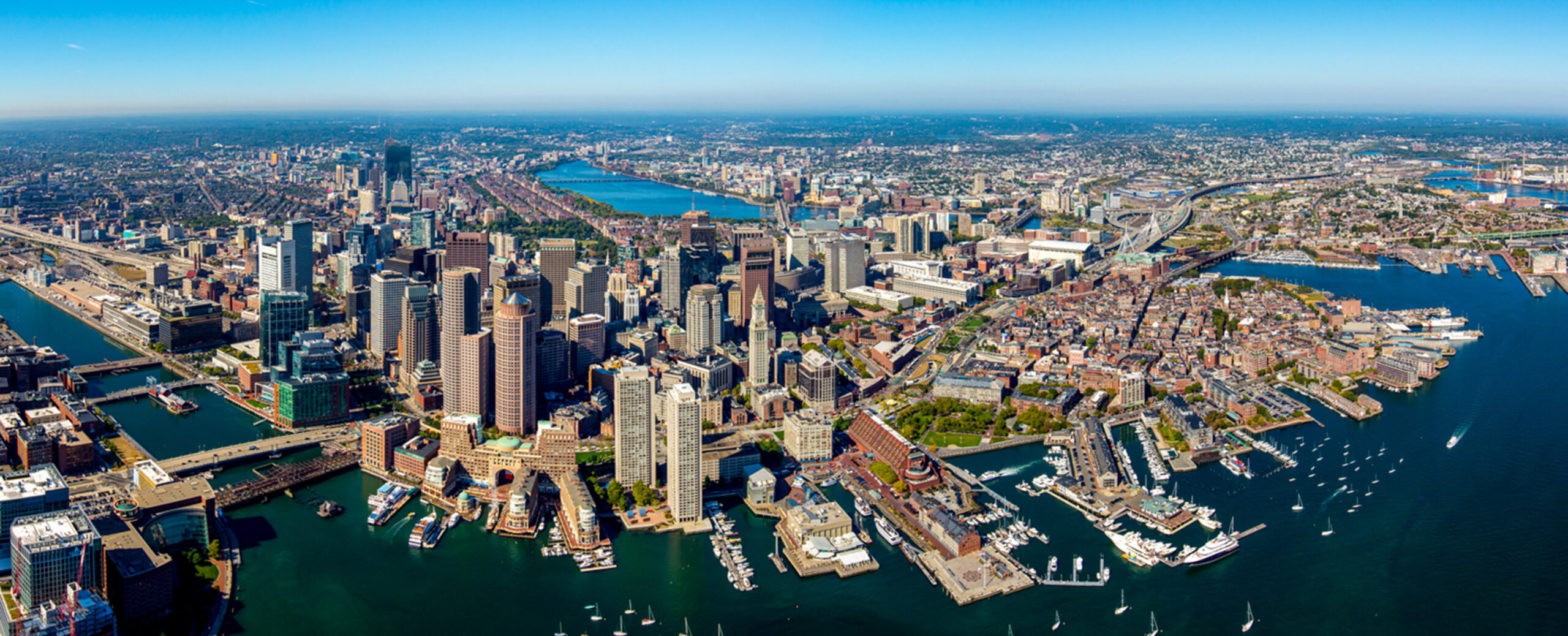
Boston weather features a classic humid continental profile marked by four distinct seasons, rapid temperature shifts, and steady year-round precipitation. If you're planning a move, a vacation, or an extended stay in Massachusetts, understanding how the Atlantic Ocean and regional geography shape local conditions will help you pack right and stay comfortable.
The climate balances warm, humid summers with cold, snowy winters, cushioned by crisp, mild transitions in spring and autumn. Average annual temperatures hover around 52 degrees Fahrenheit, but daily weather patterns can change quickly as coastal sea breezes interact with continental air masses sweeping down from Canada.
Understanding the Massachusetts Climate Profile
Massachusetts experiences a shifting atmospheric stage governed by its coastal position. The Atlantic Ocean acts as a thermal moderator, keeping extreme winter lows and summer highs slightly less severe than what you'll find deep inland. Even so, coastal storms known as nor'easters frequently slam the region, bringing heavy precipitation and high winds.
Annual precipitation totals roughly 49 inches, distributed evenly across all twelve months rather than falling into distinct wet and dry seasons. Snowfall varies widely by year, averaging between 45 and 55 inches in the city proper, though suburbs further inland often record higher totals. To track daily shifts accurately, locals rely on resources like the National Weather Service Boston.
Spring: Unpredictable Transitions
Spring in Boston runs from March through May, bringing a gradual thaw that often feels like a roller coaster. March frequently inherits winter's leftovers, with average highs around 45 degrees Fahrenheit and occasional late-season snowstorms.
April showers introduce steady rain, while May brings blooming gardens and comfortable afternoons with highs touching 65 degrees.
- Temperature swings: A 70-degree sunny afternoon can plummet by 20 degrees within an hour when a chilly sea breeze rolls off the harbor.
- Mud season: Melting snow and frequent spring rains create muddy conditions in parks and unpaved walking paths.
- Layering strategy: Always pack a windproof jacket and an umbrella during these months because forecasts change fast.
Summer: Warmth, Humidity, and Sea Breezes
Summers are warm and humid, with July serving as the warmest month. Average afternoon highs reach the low 80s, and humidity levels frequently make the air feel stickier. Heat waves occasionally push temperatures past 90 degrees for a few consecutive days.
Coastal neighborhoods benefit from afternoon sea breezes that drop temperatures by several degrees compared to inland suburbs like Framingham or Worcester. For broader state-level climate context, you can review data maintained by the Mass.gov Energy and Environmental Affairs.
- Thunderstorms: Warm summer air triggers pop-up afternoon thunderstorms, bringing short, intense downpours and lightning.
- Air conditioning: Older Boston triple-decker apartments and historic brownstones often lack central air conditioning, making window units essential.
- Outdoor living: Despite humidity, residents flock to the Esplanade, local beaches, and Boston Harbor islands to enjoy the long daylight hours.
Autumn: Crisp Air and Foliage
Many locals consider autumn the finest season of the year. Spanning September through November, fall delivers crisp, clear air and declining humidity. September afternoon temperatures average in the mid-70s, dropping into the comfortable 50s and 60s by October.
The changing leaves transform New England into a destination for leaf-peepers. Foliage typically peaks across eastern Massachusetts from mid to late October. Heating and cooling systems get a well-deserved break during these months, keeping energy bills low before winter arrives.
Winter: Snowstorms and Freezing Winds
Winter stretches from December through February, delivering cold temperatures and frequent snow. Average January lows sit near 21 degrees, while highs struggle to reach 37 degrees. Gusty winds amplify the chill factor, making it feel much colder on open streets and near the waterfront.
Snowstorms range from manageable dustings to crippling nor'easters that drop two feet of snow in a single day. City officials enforce strict parking bans during major storms to allow plows to clear narrow colonial-era streets.
- Nor'easters: These powerful coastal storms combine gale-force winds, heavy snow or rain, and coastal flooding.
- Footwear matters: Waterproof, insulated boots with deep treads are non-negotiable for navigating icy sidewalks.
- Public transit: Heavy snow can disrupt the MBTA subway and commuter rail systems, requiring extra commute time.
Common Mistakes to Avoid
Visitors and newcomers often miscalculate Massachusetts weather patterns, leading to uncomfortable situations. Don't make these frequent errors:
- Underestimating the wind chill: Looking at a thermometer reading of 35 degrees is misleading if 25 mph winds make it feel like 20 degrees. Always check the feels-like temperature.
- Assuming summer means endless sunshine: While summers are mostly sunny, sudden heavy summer downpours catch unprepared tourists without rain gear.
- Neglecting home insulation: Historic homes have charm, but uninsulated walls and single-pane windows translate to high heating bills in January.
Frequently Asked Questions
When is the best time to visit Boston?
September and October offer the most comfortable weather for walking tours, lower humidity, and stunning fall foliage. May is another great option for mild temperatures and blooming city parks.
How much snow does Boston get annually?
Boston averages between 45 and 55 inches of snow per year, though totals fluctuate dramatically from one winter to the next depending on storm tracks.
Do I need a car to get around Boston in the winter?
No. Owning a car in winter brings parking headaches, snow-digging requirements, and slippery driving conditions. The MBTA subway and walking are often much easier during snowy months.
How does the ocean affect Boston temperatures?
The Atlantic Ocean moderates extreme weather slightly, keeping winter days a bit warmer than inland towns and summer afternoons a bit cooler near the harbor.


