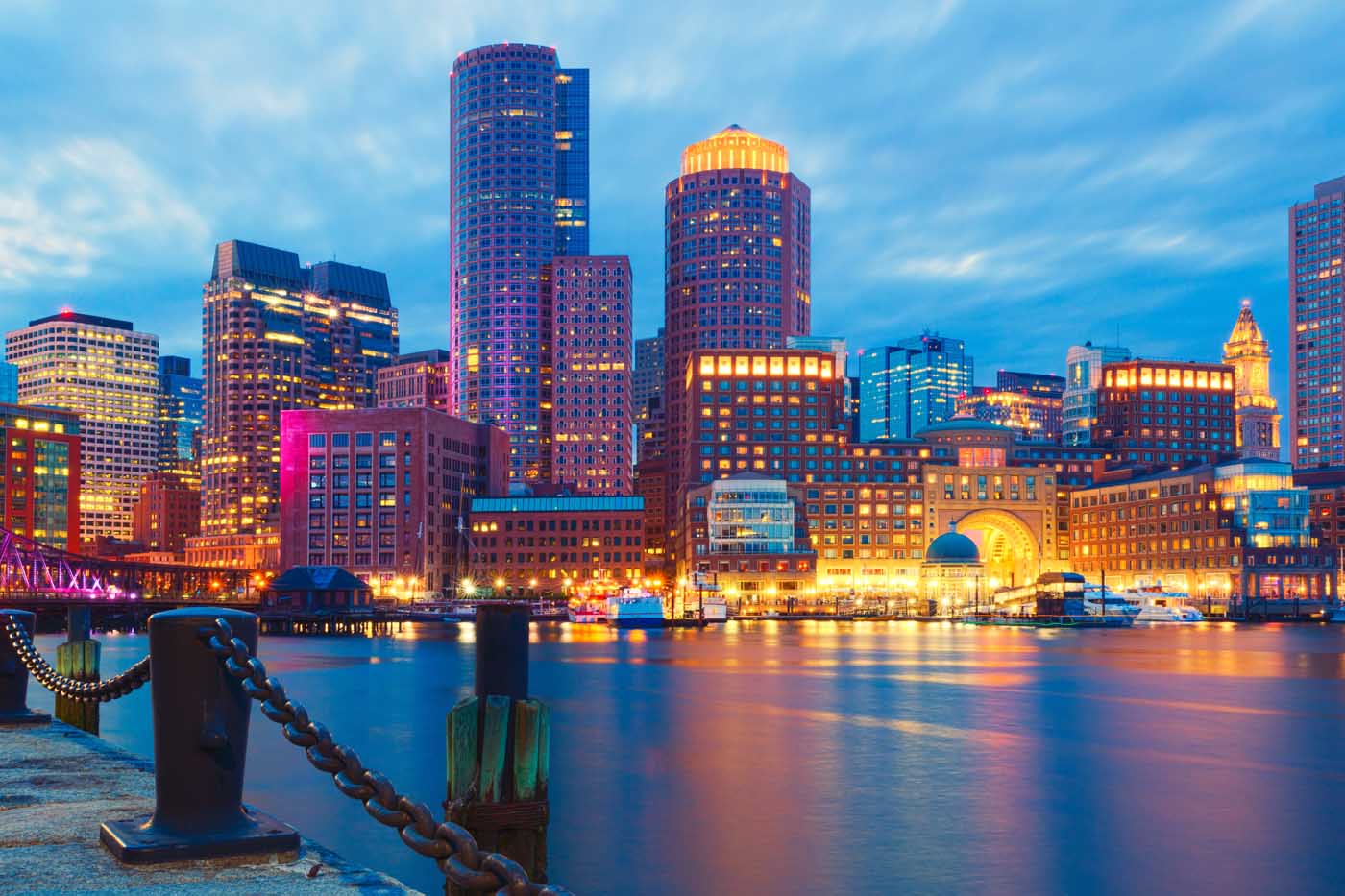
Traveling from Boston to Philadelphia by train gives you a front-row seat to the density and history of the Northeast Corridor. Instead of fighting airport security lines at Logan or wrestling with I-95 highway gridlock, you board at South Station and step off in Center City about five hours later. It's an efficient transit choice that cuts carbon emissions significantly compared to flying or driving solo.
Two primary Amtrak services connect Boston's South Station to Philadelphia's 30th Street Station: the high-speed Acela and the traditional Northeast Regional. Choosing the right option depends on how you value your schedule, your budget, and your onboard workspace requirements.
Understanding Your Train Options
Amtrak operates two distinct passenger services along the Boston-to-Philadelphia steel highway. Knowing their differences helps you pick the right ticket for your trip.
The Acela is Amtrak's premium high-speed offering. It features tilting trainsets designed to handle the curves of the northern leg through Connecticut and Rhode Island at higher speeds. Journeys on the Acela take roughly 5 hours and 30 minutes to 5 hours and 45 minutes. You'll find wider seats, power outlets at every seat, a dedicated First Class car with meal service, and a Café car for Business Class passengers. Further details on this are explored by Condé Nast Traveler.
The Northeast Regional takes a bit longer, usually clocking in between 6 hours and 15 minutes and 6 hours and 45 minutes. It makes more stops along the way, including suburban hubs and smaller cities. Coach class provides comfortable seating with plenty of legroom, while Business Class offers a guaranteed seat in a quieter car with complimentary non-alcoholic beverages.
Both trains cut out highway stress. You don't have to watch the road, and you can move around freely instead of staying strapped into a cramped car seat or airplane row.
Station Guide and Boarding Logistics
Your journey begins at Boston South Station or Back Bay Station, both located right in the heart of the city and fully connected to the MBTA transit network.
Arriving about 30 minutes before departure gives you enough time to find your track, which posts on the main departure boards shortly before boarding begins. Unlike commercial aviation, there are no liquid restrictions or tedious body scanners. You walk through the station doors, scan your digital or paper ticket, and walk right down to the platform.
The train snakes out through Massachusetts, crosses Rhode Island, and hugs the coastline through Connecticut before hitting New York's Penn Station. Here, the train typically pauses for 10 to 15 minutes for a crew change and platform boarding. Don't panic if the train sits still for a few minutes; it's a standard part of the Northeast Corridor schedule.
From New York, you barrel across New Jersey toward Trenton, cross the Delaware River, and pull into Philadelphia's William H. Gray III 30th Street Station. 30th Street is a massive, historic transit cathedral that connects directly to SEPTA regional rail and the subway, making it simple to reach Center City, University City, or local neighborhoods without calling a cab.
Booking Strategies and Pricing Realities
Amtrak ticket prices fluctuate based on demand, similar to airline pricing. If you wait until the morning of your trip, you'll pay top dollar.
- Book 3 to 4 weeks early: The cheapest Value fares sell out fast. Securing your ticket a month in advance can save you over fifty percent compared to last-minute purchases.
- Watch for rewards programs: Amtrak Guest Rewards lets you rack up points quickly if you travel the Northeast Corridor even a few times a year.
- Consider off-peak departures: Mid-day trains or late-evening runs often carry lower price tags than the prime morning commuter slots leaving Boston between 6:00 AM and 8:00 AM.
For official schedules, fare comparisons, and ticket reservations, check the Amtrak Official Website.
Environmental Impact: Why Rail Wins
Choosing the rails over the highway or the runway drastically shrinks your travel carbon footprint. Passenger trains on the Northeast Corridor run on electrified lines, meaning their emissions per passenger-mile sit far below regional jet flights or gas-powered cars.
Aviation requires intense fuel burn during takeoff and climb phases for short-hop flights between Boston and regional airports. Driving alone on I-95 produces massive tailpipe emissions, not to mention the psychological toll of stop-and-go traffic near New York and Baltimore. Rail travel bypasses these issues by utilizing shared electric infrastructure that continues to incorporate cleaner energy sources over time. For more details on sustainable transit initiatives, you can review data from the Federal Railroad Administration.
Common Mistakes to Avoid
Even seasoned travelers make a few classic errors when booking this specific route.
- Ignoring the New York dwell time: Passengers sometimes assume the train runs straight through without stopping. Expect a brief pause at New York Penn Station where the conductor crew swaps out.
- Choosing the wrong Boston departure station: If you live closer to Back Bay, don't haul your luggage all the way down to South Station. Both trains stop at Back Bay right after leaving South Station.
- Forgetting seat selection: Amtrak allows you to select your seat during booking on many Northeast Corridor trains. Grab a window seat on the right side heading south if you want glimpses of the coastline through Connecticut.
- Cutting arrival time too close: While you don't need two hours like an airport, arriving five minutes before departure is risky. Station doors and track gates close promptly.
Frequently Asked Questions
Is Wi-Fi available on the Boston to Philadelphia train?
Yes, Amtrak provides complimentary basic Wi-Fi on both Acela and Northeast Regional trains. It works well for checking email, browsing websites, and handling light work tasks, though heavy streaming can sometimes lag.
Do I need to print my train ticket?
No, paper tickets are entirely optional. You can pull up the barcode right on your smartphone using the Amtrak app, and the conductor will scan it from your seat or the overhead rack.
Can I bring food and drinks onboard?
You are welcome to bring your own food and drinks onto the train, including alcohol, provided you consume it responsibly. There is also a Café car onboard if you prefer to purchase snacks, coffee, sandwiches, or drinks during the ride.
Is Business Class worth the extra money on the Northeast Regional?
Business Class guarantees you a seat in a dedicated car that typically features fewer passengers, extra legroom, and free non-alcoholic beverages like coffee and soda. If you need a quiet space to work or prefer less crowded seating during peak travel days, the upgrade is usually worth the modest price difference.


