Navigating Boston starts with understanding its postal boundaries. The city is broken down into distinct postal zones that overlap with historic communities, each carrying a different architectural style, transit pattern, and local culture. Knowing how these regions map out helps you find specific streets, understand local geography, or scout out neighborhoods without getting lost in the city's famously winding roads.
Boston's postal layout spans from the historic brownstones of downtown to the residential expanses further out. While postal routes don't always follow official political boundaries, they offer a reliable framework for navigating the city's distinct pockets. Let's break down how the city's postal codes organize its most notable districts.
Downtown and Historic Core Zip Codes
The heart of the city packs immense history and dense commercial spaces into compact postal zones. If you're walking the Freedom Trail or shopping near the common, you'll be crossing through a handful of key codes.
- 02108 (Beacon Hill): This area covers the historic Beacon Hill neighborhood, famous for its gas-lit lanterns, brick sidewalks, and federal-style rowhouses. It houses the Massachusetts State House and runs right up to the edge of the Boston Common.
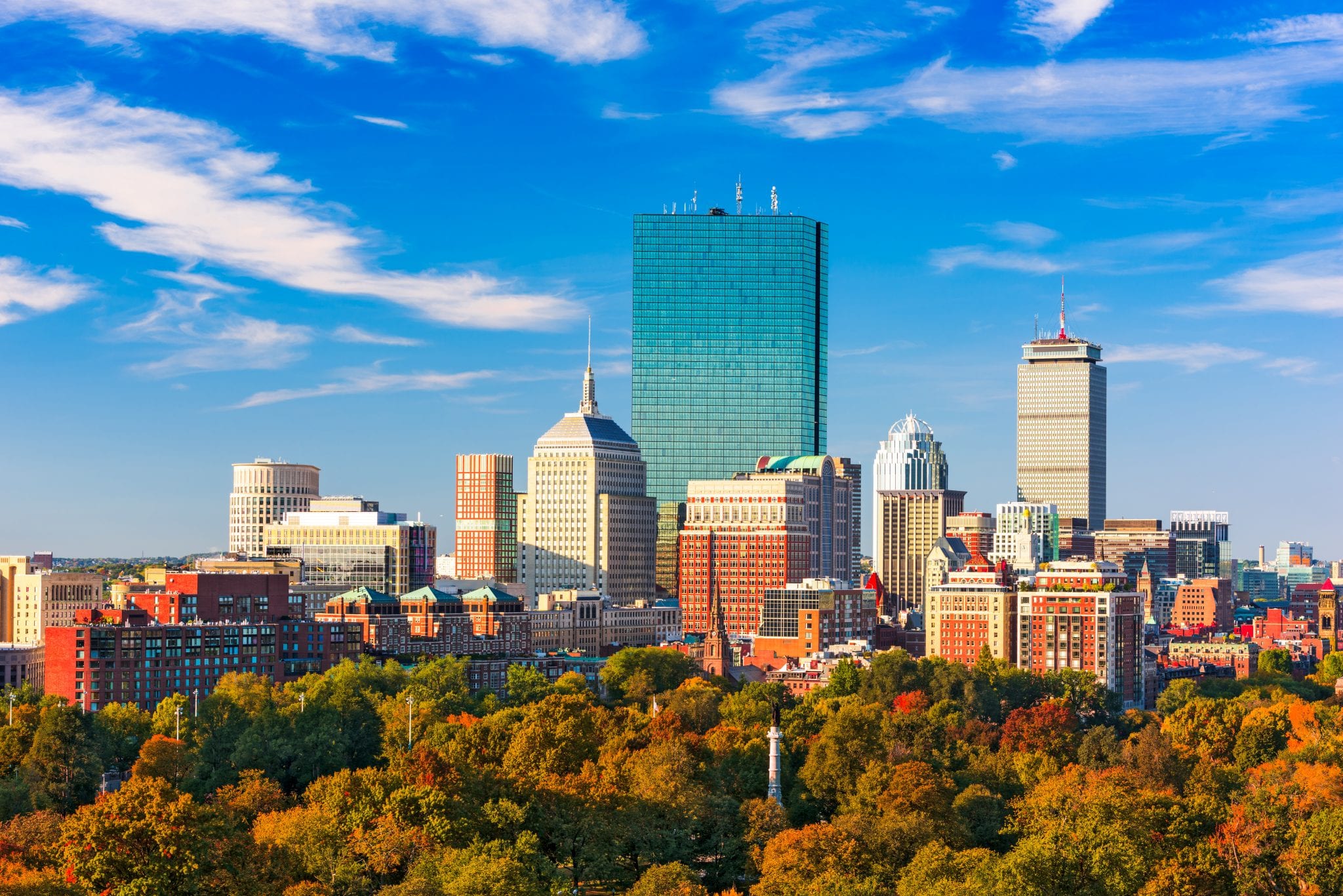
- 02116 (Back Bay and Bay Village): Home to iconic Victorian brownstones along Commonwealth Avenue, high-end shopping on Newbury Street, and Copley Square. This zone blends high-end residential living with heavy foot traffic and major cultural institutions like the Boston Public Library.
- 02113 (North End): Boston's historic Italian neighborhood sits tightly packed near the waterfront. Narrow streets like Hanover Street are lined with historic bakeries, centuries-old homes, and the Paul Revere House.
According to the City of Boston Zip Codes Directory, these central zones experience some of the highest pedestrian density in New England, relying heavily on underground transit options rather than personal vehicles. Related coverage on the subject has been published by Travel + Leisure.
Waterfront and Innovation Districts
As the city expanded its commercial and residential footprint toward the water, new postal boundaries were established to service modern high-rises and converted warehouses.
- 02210 (Seaport District): Once a quiet industrial shipping zone, this area now features modern glass residential towers, tech headquarters, and sprawling harbor walkways. It spans a distinct territory right along the South Boston waterfront.
- 02129 (Charlestown): Located across the harbor and north of the river, Charlestown is defined by historic navy yards, the USS Constitution, and rows of gas-lit gas lamps. It balances a tight-knit community feel with modern waterfront developments.
Student Hubs and Residential West End
Moving away from the downtown peninsula, the postal zones transition into major institutional corridors, long-term residential streets, and student-heavy avenues.
- 02134 (Allston): Known as a vibrant student enclave due to its proximity to Boston University and Boston College, Allston features an eclectic mix of multi-family apartments, diverse global eateries, and live music venues.
- 02135 (Brighton): Sitting directly next to Allston, Brighton offers a slightly quieter residential atmosphere with tree-lined streets, local parks like Brighton Common, and a mix of historic houses and apartment complexes.
- 02115 (Fenway and Kenmore): Anchored by Fenway Park, this area sees massive crowds during baseball season. It bridges the gap between major academic institutions, medical centers, and dense residential apartments.
For official boundary maps and planning data, you can consult the Boston Planning and Development Agency Maps to see how these postal zones align with neighborhood development plans.
Frequently Asked Questions
Do Boston zip codes correspond directly to neighborhood boundaries?
Not always. While some codes align neatly with a single neighborhood, others overlap or cover multiple distinct commercial and residential pockets. Postal routes are designed for mail delivery efficiency rather than political or cultural boundaries.
Which Boston zip code has the highest foot traffic?
Zones like 02116 (Back Bay) and 02108 (Beacon Hill) see high volumes of daily foot traffic due to shopping hubs like Newbury Street and major tourist landmarks.
Why do some Boston addresses use 022 codes instead of 021?
The 022 prefix is typically assigned to specific high-density commercial entities, large institutions, or specific downtown postal boxes rather than traditional residential neighborhoods.
Can I walk across multiple zip codes in a single afternoon?
Yes. Because Boston is a famously compact, walkable city, you can easily cross through three or four different zip codes within a short walk through downtown, the North End, and the waterfront.


